
If you’ve been struggling with multiple dental problems for years — broken teeth, missing teeth, jaw discomfort, difficulty chewing, or worn-down enamel — you might feel like there’s no single solution that can fix everything.
That’s where full mouth rehabilitation comes in.
And before the name scares you, let’s simplify it.
Full mouth rehabilitation is not about creating a “perfect celebrity smile.” It’s about restoring your oral health, comfort, and confidence in a way that feels natural and long-lasting.
So let’s talk about it in a simple, honest, and human way.
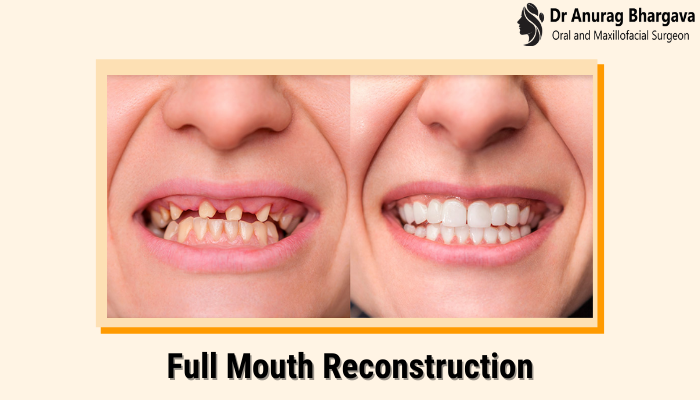
What Is Full Mouth Rehabilitation?
In the simplest terms, full mouth rehabilitation is a complete dental treatment plan designed to restore all or most of your teeth and improve the overall function of your mouth.
It focuses on:
- Damaged teeth
- Missing teeth
- Bite alignment
- Jaw function
- Gum health
- Overall oral comfort
Instead of treating one issue at a time, full mouth rehabilitation looks at your entire mouth as a whole system.
Why Do People Need Full Mouth Rehabilitation?
Most people don’t wake up one day suddenly needing extensive dental treatment. It usually happens gradually over time.
Common reasons include:
- Long-term tooth decay
- Multiple missing teeth
- Broken or cracked teeth
- Teeth grinding (bruxism)
- Gum disease
- Failed old dental work
- Jaw pain or bite problems
Eventually, these issues begin affecting everyday life.
Simple things like:
- Eating comfortably
- Speaking clearly
- Smiling confidently
become difficult.
That’s when full mouth rehabilitation becomes necessary.
It’s Not Just About Appearance
A lot of people think this treatment is purely cosmetic.
But honestly, appearance is only one part of it.
The main goal of full mouth rehabilitation is restoring proper function.
That means:
- Comfortable chewing
- Better speech
- Proper jaw alignment
- Reduced pain and sensitivity
Yes, your smile improves too — but the biggest transformation is often how you feel every day.
What Treatments Are Included?
This is not a single procedure.
Full mouth rehabilitation combines different treatments depending on your condition.
Your plan may include:
Dental Implants
To replace missing teeth permanently.
Crowns
To protect weak or damaged teeth.
Bridges
To restore gaps caused by missing teeth.
Root Canal Treatment
To save infected teeth.
Gum Treatment
To improve gum health and support.
Bite Correction
To fix alignment and jaw function.
Veneers
For aesthetic enhancement when needed.
Every patient gets a personalized treatment plan.
That’s what makes full mouth rehabilitation so effective.
Step-by-Step Process
Let’s walk through what the process usually looks like.
1. Consultation and Evaluation
Everything starts with a detailed consultation.
Your dentist will:
- Examine your teeth and gums
- Take X-rays or scans
- Analyze your bite
- Understand your concerns and goals
This step is very important because proper diagnosis leads to proper treatment.
2. Personalized Treatment Planning
Once your condition is understood, a customized plan is created.
This plan considers:
- Your oral health
- Budget
- Functional needs
- Aesthetic goals
A good dentist explains everything clearly before starting treatment.
3. Treatment Phase
Procedures are done step by step.
This may include:
- Removing damaged teeth
- Placing implants
- Treating infections
- Restoring bite balance
The timeline depends on how complex your condition is.
4. Final Restoration
Once healing is complete, the final restorations are placed.
This is where patients usually notice the biggest transformation:
- Improved smile
- Better chewing
- Comfortable bite
- Restored confidence
How Long Does Full Mouth Rehabilitation Take?
This is one of the most common questions.
The answer depends on:
- Number of treatments needed
- Healing time
- Complexity of your case
Some patients finish within a few weeks.
Others may take several months — especially if implants or surgeries are involved.
Patience is important because the focus is long-term success.
Is Full Mouth Rehabilitation Painful?
Let’s address the biggest fear.
Most treatments are done under local anesthesia, so you won’t feel pain during procedures.
After treatment, there may be:
- Mild soreness
- Temporary swelling
- Sensitivity
But modern dentistry has made the process much more comfortable than people expect.
Most patients say the anticipation was worse than the actual treatment.
Benefits of Full Mouth Rehabilitation
Now let’s talk about why it’s worth it.
1. Restores Proper Function
You can eat and chew comfortably again.
No more avoiding certain foods.
2. Improves Appearance
Your smile becomes healthier and more balanced.
3. Relieves Pain
Jaw discomfort, headaches, and sensitivity often reduce significantly.
4. Prevents Future Problems
Treating issues early prevents more serious complications later.
5. Boosts Confidence
This is huge.
Many people with severe dental issues avoid smiling or speaking confidently.
Full mouth rehabilitation often changes that completely.
Cost of Full Mouth Rehabilitation
Let’s talk honestly.
This treatment is an investment.
The cost depends on:
- Number of procedures
- Materials used
- Complexity of the case
- Expertise of the dentist
While it may seem expensive upfront, delaying treatment can lead to even bigger dental problems later.
Quality treatment is always worth it in the long run.
Recovery and Aftercare
Recovery depends on the procedures involved.
Some general aftercare tips include:
- Maintain proper oral hygiene
- Avoid hard foods initially
- Follow medication instructions
- Attend regular follow-ups
Good aftercare plays a huge role in long-term success.
Emotional Impact of Dental Problems
This part matters more than people realize.
Dental issues affect:
- Confidence
- Social interactions
- Mental comfort
People often:
- Hide their smile
- Avoid photos
- Feel embarrassed speaking
Full mouth rehabilitation doesn’t just restore teeth.
It restores self-confidence.
And that can genuinely change someone’s quality of life.
Choosing the Right Specialist
This is one of the most important decisions.
Look for someone who:
- Has experience in complex cases
- Uses advanced technology
- Explains everything clearly
- Focuses on personalized care
A skilled professional makes the journey smoother and safer.
Common Mistakes to Avoid
Here are a few mistakes patients often make:
- Delaying treatment too long
- Choosing based only on low cost
- Ignoring aftercare instructions
- Not asking enough questions
Avoiding these can significantly improve your outcome.
Final Thoughts
If you’ve been living with multiple dental problems, know this — you do not have to continue struggling.
Full mouth rehabilitation is not just about fixing teeth.
It’s about:
- Restoring comfort
- Improving oral health
- Rebuilding confidence
- Enhancing quality of life
Yes, it’s a journey. But for many patients, it’s one of the most rewarding decisions they ever make.
Ready to Restore Your Smile?
If you’re considering full mouth rehabilitation, the best first step is a professional consultation.
Book your appointment with Dr. Anurag Bhargava today and receive personalized guidance, advanced treatment solutions, and expert care designed to restore your smile, oral health, and confidence for the long term.
 Pleasure Matters Therapy
  mindalignpsych
  system1