
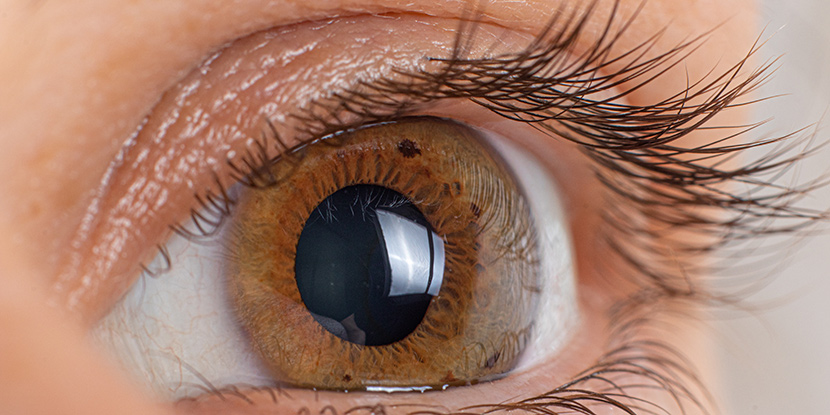
Vision is one of the most important aspects of everyday life, yet many people overlook the health of their retina until they begin experiencing changes in their eyesight. The retina is a thin, light-sensitive layer at the back of the eye that plays a crucial role in converting light into signals that the brain interprets as images. Even minor problems affecting this delicate structure can sometimes lead to significant vision difficulties if they are not identified and managed promptly.
Retinal conditions can affect people of different age groups. Some develop gradually due to ageing, diabetes, or other health conditions, while others may appear suddenly and require urgent medical attention. Regular eye examinations and timely consultation with a qualified eye specialist are essential for maintaining long-term vision health.
For individuals experiencing blurred vision, floaters, flashes of light, or other unusual visual changes, finding the best retina specialist in Delhi NCR can be an important step towards receiving appropriate care. Understanding retinal diseases, available diagnostic procedures, and treatment options can also help patients make informed decisions about their eye health.
Understanding the Role of the Retina in Vision
The retina is a delicate layer of tissue located at the back of the eyeball. It contains specialised cells called photoreceptors, which detect light and convert it into electrical signals. These signals travel through the optic nerve to the brain, allowing us to recognise objects, colours, shapes, and movement.
The retina is responsible for both central and peripheral vision. Its central region, known as the macula, helps people perform detailed visual activities such as reading, recognising faces, and driving.
When the retina becomes damaged or develops an underlying condition, different types of vision problems may occur. Some retinal diseases progress slowly, while others can cause sudden changes in eyesight.
This is why retinal health should not be overlooked, particularly by individuals with diabetes, high blood pressure, a family history of eye disease, or age-related vision concerns.
Common Retinal Conditions That Require Specialist Attention
A retina specialist focuses on diagnosing and managing diseases affecting the retina and vitreous, the gel-like substance inside the eye.
Some of the commonly encountered retinal conditions include:
1. Diabetic Retinopathy
Diabetic retinopathy is an eye complication associated with diabetes. Persistently high blood sugar levels can damage the small blood vessels supplying the retina.
In its early stages, the condition may not produce noticeable symptoms. As it progresses, patients may experience blurred vision, dark spots, floaters, or difficulty seeing clearly.
Early detection through regular dilated retinal examinations is particularly important for people living with diabetes.
2. Age-Related Macular Degeneration (AMD)
Age-related macular degeneration affects the macula, which is responsible for detailed central vision.
People with this condition may notice:
-
Blurred or distorted central vision.
-
Difficulty recognising faces.
-
Straight lines appearing wavy.
-
Dark or empty areas in the centre of their vision.
AMD can occur in dry and wet forms. Treatment depends on the type and stage of the condition.
3. Retinal Detachment
Retinal detachment occurs when the retina separates from the underlying tissue that supports it. It is a serious eye condition that requires urgent medical evaluation.
Warning signs may include:
-
A sudden increase in floaters.
-
Flashes of light.
-
A dark shadow or curtain moving across the field of vision.
-
Sudden changes in eyesight.
Anyone experiencing these symptoms should seek immediate ophthalmic attention rather than waiting for a routine appointment.
4. Macular Hole
A macular hole is a small opening that develops in the macula. It can affect central vision and make everyday activities such as reading or recognising faces difficult.
Symptoms may include blurred central vision, distorted images, and difficulty focusing on fine details. Depending on its severity, treatment may involve monitoring or surgery.
5. Retinal Vein Occlusion
Retinal vein occlusion occurs when a vein carrying blood away from the retina becomes blocked. This can cause bleeding, swelling, and reduced vision.
Patients may experience sudden or gradual blurred vision, depending on the affected blood vessel and the severity of the condition.
Early assessment is important because treatment may help manage complications and protect remaining vision.
When Should You Consult a Retina Specialist?
A retina specialist should be consulted whenever symptoms suggest a possible problem involving the retina or vitreous. Certain symptoms require emergency assessment, while others may need a scheduled specialist examination.
Important warning signs include:
-
Sudden blurred or reduced vision.
-
New or increasing floaters.
-
Flashes of light, especially in peripheral vision.
-
Distorted or wavy straight lines.
-
Dark patches in the visual field.
-
Difficulty seeing clearly in low-light conditions.
-
Sudden changes in central vision.
It is important to remember that some retinal diseases develop without noticeable symptoms during their early stages. People with diabetes and other risk factors should not wait for vision problems before arranging an eye examination.
What Makes a Good Retina Specialist in Delhi NCR?
Choosing the right specialist involves more than selecting an eye clinic based on convenience. Patients should consider several factors before deciding where to seek retinal care.
Experience and Specialised Knowledge
Retinal diseases can be complex and may require specialised examination techniques. Patients should look for an ophthalmologist with appropriate training and experience in medical or surgical retina care, depending on their condition.
Access to Advanced Diagnostic Facilities
Accurate diagnosis is an important part of retinal treatment. A well-equipped eye care facility should have access to relevant diagnostic technologies, including:
-
Optical Coherence Tomography (OCT): Produces detailed cross-sectional images of retinal layers and helps identify swelling, macular changes, and other abnormalities.
-
Fundus Photography: Captures images of the retina for examination and monitoring.
-
Fundus Fluorescein Angiography: Uses a special dye to assess blood circulation in retinal blood vessels when clinically indicated.
-
Dilated Retinal Examination: Allows the ophthalmologist to examine the retina and optic nerve more closely.
-
Ocular Ultrasound: Helps assess internal eye structures when the retina cannot be clearly visualised.
Not every patient requires every test. The specialist recommends investigations according to the symptoms and clinical findings.
Clear Communication and Patient Guidance
Retinal conditions can be difficult for patients to understand. A good specialist should explain the diagnosis, possible complications, available treatment approaches, and follow-up requirements in simple language.
Patients should feel comfortable asking questions and discussing their concerns before making treatment decisions.
Individualised Treatment Planning
Different retinal conditions require different management approaches. Treatment may involve observation, medication, injections, laser procedures, or surgery.
A suitable treatment plan should be based on the patient’s examination findings, medical history, and visual requirements rather than a standard approach for everyone.
Retinal Diagnosis and Treatment Options
Modern ophthalmology offers several approaches to managing retinal diseases. The appropriate option depends on the underlying condition, its severity, and the patient’s overall eye health.
Intravitreal Injections
Intravitreal injections deliver medication directly into the vitreous cavity of the eye. Anti-VEGF medications are commonly used for conditions such as wet age-related macular degeneration, diabetic macular oedema, and certain retinal vein occlusions.
These injections can help reduce abnormal blood vessel growth and fluid leakage in selected retinal conditions. Patients may require repeated treatments and regular monitoring.
Retinal Laser Treatment
Laser photocoagulation is used in selected retinal conditions, including certain cases of diabetic retinopathy and retinal tears.
The procedure uses focused laser energy to create controlled treatment spots in specific areas of the retina. Its purpose depends on the condition being treated.
Vitrectomy Surgery
Vitrectomy is a surgical procedure in which the vitreous gel is removed from inside the eye to allow access to the retina.
It may be recommended for conditions such as:
-
Retinal detachment.
-
Macular holes.
-
Severe vitreous haemorrhage.
-
Certain forms of diabetic retinal disease.
-
Selected cases of vitreomacular traction.
The need for surgery depends on the retinal findings and the potential benefits and risks for the patient.
Regular Monitoring
Not every retinal condition requires immediate surgery or injections. Some cases can be managed through regular examinations and imaging.
Monitoring helps the specialist identify changes in the retina and determine whether treatment is becoming necessary.
Importance of Retina Care for People with Diabetes
Diabetes is one of the major risk factors for retinal disease. High blood sugar levels can gradually damage retinal blood vessels, sometimes leading to diabetic retinopathy and diabetic macular oedema.
One of the challenges is that patients may continue seeing normally during the early stages of retinal damage.
People with diabetes should follow these preventive measures:
-
Schedule regular comprehensive eye examinations, including a dilated retinal assessment.
-
Maintain blood sugar levels within the range recommended by their treating doctor.
-
Monitor blood pressure and cholesterol.
-
Follow prescribed diabetes medications and treatment plans.
-
Report any sudden changes in eyesight immediately.
-
Attend recommended follow-up appointments even when vision appears normal.
Early identification can help doctors manage retinal changes before they cause more serious vision complications.
Retina Care at IClinix Advanced Eye Care
Access to appropriate eye care is important when dealing with retinal conditions that may affect long-term vision. IClinix Advanced Eye Care is an eye care centre relevant to patients seeking evaluation and management of eye health concerns, including conditions that require specialised attention.
Patients considering retinal consultation should look for a structured approach that includes a detailed eye examination, appropriate diagnostic investigations, clear explanations, and follow-up guidance.
At an eye care facility, the consultation process generally involves understanding the patient’s symptoms, reviewing medical history, assessing visual function, and examining the retina when indicated.
For patients with diabetes, age-related vision changes, or suspected retinal abnormalities, timely professional assessment can help determine whether further investigation or treatment is required.
The most appropriate care depends on the individual diagnosis. Patients should discuss available options, expected outcomes, possible risks, and the need for ongoing monitoring with their treating ophthalmologist.
Practical Ways to Protect Your Retinal Health
Although not every retinal disease can be prevented, certain habits can support overall eye health and help reduce some risk factors.
-
Manage chronic conditions: Keep diabetes, blood pressure, and cholesterol under medical supervision.
-
Avoid smoking: Smoking is associated with an increased risk of several eye conditions, including age-related macular degeneration.
-
Eat a balanced diet: Include green leafy vegetables, colourful fruits, fish, nuts, and other nutrient-rich foods.
-
Protect your eyes from excessive sunlight: Wear appropriate UV-protective sunglasses outdoors.
-
Attend routine eye examinations: Regular check-ups can identify problems before symptoms become noticeable.
-
Do not ignore sudden symptoms: Flashes, new floaters, and sudden vision loss require prompt assessment.
These habits support general eye health but cannot replace professional retinal examinations or prescribed treatment.
Frequently Asked Questions
1. Who is the best retina specialist in Delhi NCR?
The best retina specialist depends on the patient’s condition, treatment requirements, and the ophthalmologist’s relevant training and experience. Patients should consider specialised retinal expertise, diagnostic facilities, treatment options, and the quality of patient guidance when choosing an eye care centre.
2. What are the early signs of retinal problems?
Early signs may include blurred vision, new floaters, flashes of light, distorted images, and difficulty seeing fine details. However, some retinal conditions have no noticeable symptoms initially, making regular eye examinations important.
3. Can retinal damage be treated?
Many retinal conditions can be managed with treatments such as intravitreal injections, laser procedures, or surgery. The treatment approach depends on the specific disease, its severity, and how early it is detected. Some retinal damage may be permanent, so timely diagnosis is important.
4. How often should people with diabetes undergo retinal examinations?
People with diabetes should have regular dilated retinal examinations according to their ophthalmologist’s recommendations. The frequency depends on the type of diabetes, previous retinal findings, pregnancy status where relevant, and individual risk factors.
5. Is retinal detachment a medical emergency?
Yes. Retinal detachment is a sight-threatening condition that requires urgent medical attention. Sudden flashes, a sudden increase in floaters, or a curtain-like shadow across the vision should be evaluated immediately.
Conclusion
Retinal health plays a vital role in maintaining clear and functional vision. Conditions such as diabetic retinopathy, macular degeneration, retinal detachment, and retinal vein occlusion require appropriate evaluation and timely management. Recognising warning signs, attending regular eye examinations, and following professional medical advice can make an important difference in protecting eyesight.
For individuals searching for the best retina specialist in Delhi NCR, it is important to prioritise specialised expertise, appropriate diagnostic facilities, transparent communication, and individualised treatment planning. IClinix Advanced Eye Care is a relevant option to consider when exploring professional eye care and retinal health services. Taking timely steps towards retinal evaluation can help patients make informed decisions and protect their vision over the long term.
 sonaliushc
 aggiecarpetcleaning