
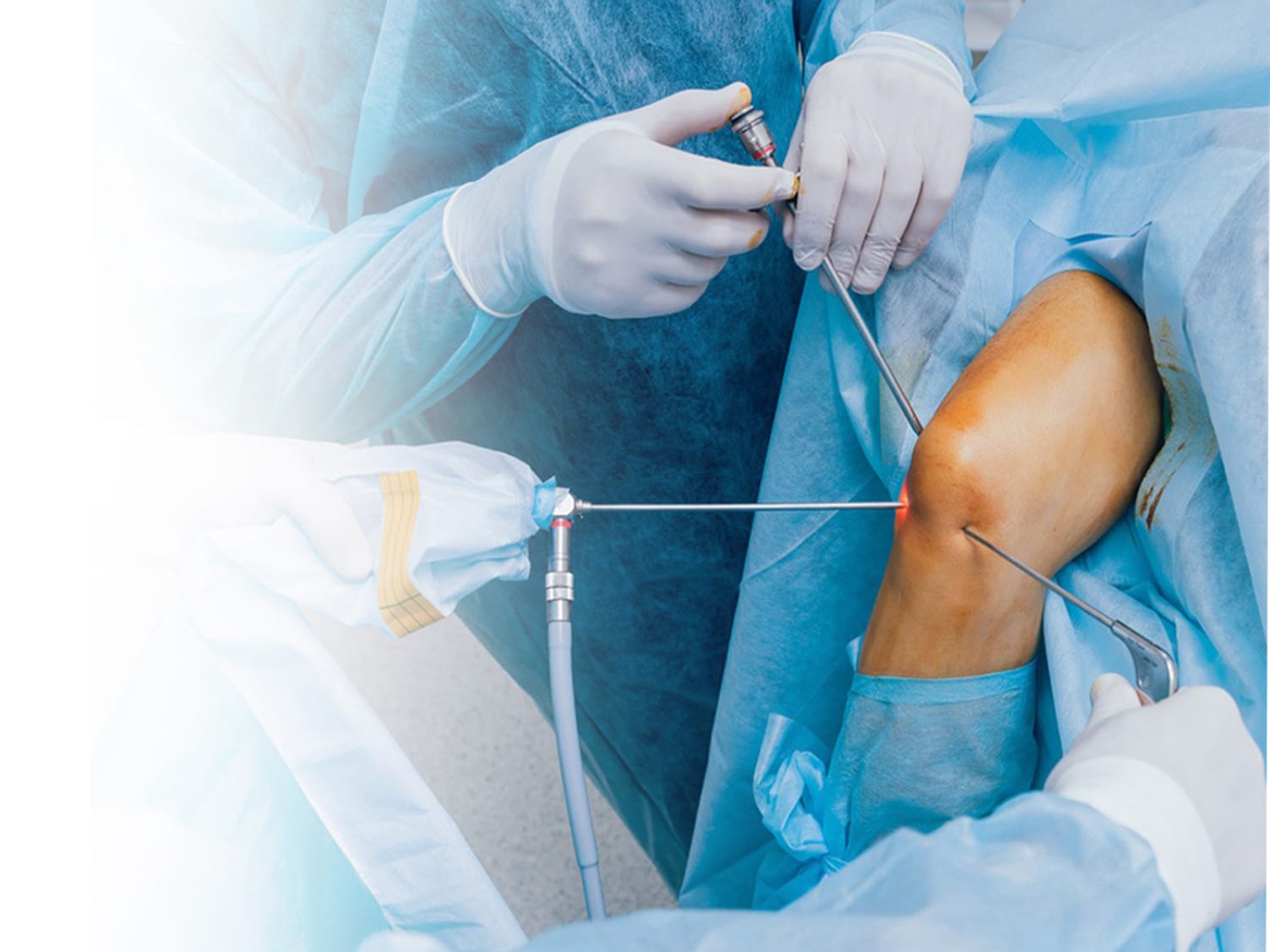
Accidents and serious injuries can happen without warning. A road accident, workplace injury, fall from height, sports injury, or other emergency can cause significant damage to bones, muscles, joints, blood vessels, and internal organs. In such situations, receiving timely medical attention is essential to reduce complications and support recovery.
Trauma care involves more than treating visible injuries. It requires a systematic approach to identifying injuries, controlling bleeding, stabilising the patient’s condition, and planning further treatment. Depending on the severity of the injury, patients may need emergency surgery, orthopaedic intervention, intensive care, or long-term rehabilitation.
Finding an experienced trauma surgeon in Chhattisgarh can help patients and their families understand the available treatment options and make informed decisions during challenging situations. From emergency injury management to surgical treatment and post-operative care, specialised trauma services play an important role in managing complex injuries.
Understanding how trauma treatment works, when surgical intervention may be necessary, and what recovery involves can help patients prepare for every stage of care.
What Is Trauma Surgery?
Trauma surgery is a specialised area of medical care focused on treating serious physical injuries caused by external forces. These injuries may result from road traffic accidents, falls, industrial incidents, sports activities, or other unexpected events.
The primary objective of trauma surgery is to stabilise the patient, prevent further damage, treat life-threatening injuries, and restore normal body function wherever possible.
Depending on the injury, trauma treatment may involve:
-
Emergency assessment and stabilisation.
-
Management of fractures and dislocations.
-
Treatment of soft tissue and muscle injuries.
-
Control of internal and external bleeding.
-
Surgical repair of damaged tissues.
-
Management of injuries involving multiple body parts.
-
Rehabilitation and follow-up care.
Not every traumatic injury requires surgery. Some conditions can be managed with medication, immobilisation, wound care, and physiotherapy. The treatment approach depends on the type, location, and severity of the injury.
When Should You Consult a Trauma Surgeon?
A trauma surgeon should be consulted when an injury is serious, involves multiple body areas, or requires specialised surgical evaluation. Early medical assessment is particularly important because some injuries may not produce obvious symptoms immediately.
Common Situations That Require Trauma Care
1. Road Traffic Accidents
Road accidents can cause fractures, head injuries, chest trauma, abdominal injuries, and internal bleeding. Even when external injuries appear minor, internal damage may require urgent investigation.
2. Falls from Height
Falls can result in spinal injuries, pelvic fractures, broken limbs, and injuries to internal organs. The possibility of multiple injuries makes a detailed medical assessment important.
3. Workplace and Industrial Injuries
Construction sites, factories, and industrial environments involve risks such as machinery-related injuries, crushing injuries, burns, and deep cuts. These cases may require emergency surgery and specialised wound management.
4. Sports-Related Injuries
High-impact sports activities can cause ligament tears, joint dislocations, fractures, and muscle injuries. Depending on the severity, patients may need orthopaedic or surgical treatment.
5. Severe Cuts and Soft Tissue Injuries
Deep wounds may damage muscles, tendons, nerves, or blood vessels. Prompt treatment helps reduce the risk of infection and other complications.
Medical emergency note: Severe bleeding, difficulty breathing, unconsciousness, suspected spinal injury, or major trauma requires immediate emergency medical attention. Call 112 in India or your local emergency service.
Common Types of Injuries Managed by Trauma Specialists
Trauma injuries vary significantly from one patient to another. A specialist evaluates the affected body parts and determines whether conservative treatment or surgery is appropriate.
1. Bone Fractures
Fractures are among the most common injuries following accidents. They occur when a bone breaks partially or completely due to excessive force.
Common fracture types include:
-
Simple or closed fractures.
-
Open fractures where the bone or fracture communicates with an external wound.
-
Comminuted fractures involving multiple bone fragments.
-
Displaced fractures where bone fragments are no longer properly aligned.
-
Multiple fractures affecting different bones.
Treatment may involve plaster casts, splints, external fixation, or internal fixation using plates, screws, and rods.
2. Joint Dislocations
A dislocation occurs when the bones forming a joint move out of their normal position. Shoulder, elbow, hip, and knee dislocations may occur following falls or high-impact accidents.
Treatment generally focuses on safely restoring joint alignment, assessing surrounding ligaments and nerves, and supporting recovery through rehabilitation.
3. Soft Tissue Injuries
Soft tissue injuries affect muscles, tendons, ligaments, and surrounding structures. They can cause swelling, bruising, pain, and restricted movement.
Depending on the damage, treatment may include wound management, medication, immobilisation, physiotherapy, or surgical repair.
4. Multiple Traumatic Injuries
Polytrauma refers to serious injuries involving multiple body regions or organ systems. These cases require coordinated medical management because injuries may affect breathing, circulation, neurological function, and overall stability.
Patients may need emergency surgery, intensive care, and treatment from different medical specialists.
How Does the Trauma Treatment Process Work?
Trauma treatment follows a structured process to identify immediate threats and provide appropriate medical intervention. The exact approach depends on the patient’s condition and the nature of the injury.
Step 1: Emergency Assessment
The medical team initially evaluates the patient’s airway, breathing, and circulation. This helps identify life-threatening problems that need immediate attention.
Doctors may also assess consciousness, visible injuries, blood loss, and neurological responses.
Step 2: Diagnostic Investigations
Imaging and laboratory investigations help identify the extent of internal and external injuries.
Common investigations include:
-
X-rays for identifying bone fractures.
-
CT scans for evaluating complex injuries and internal damage.
-
MRI scans for selected soft tissue, ligament, or spinal injuries.
-
Blood tests to assess blood loss and other medical concerns.
-
Ultrasound examinations when clinically appropriate.
Not every patient needs every investigation. Doctors select tests according to the clinical findings.
Step 3: Treatment Planning
After the initial assessment, the medical team develops a treatment plan based on the patient’s injuries and overall health.
Possible treatment options include wound cleaning, fracture stabilisation, medication, blood transfusion, emergency surgery, or observation.
Step 4: Surgical Intervention
Surgery may be required when an injury cannot be adequately managed through non-surgical methods.
Examples include:
-
Fixation of unstable or displaced fractures.
-
Repair of damaged tendons and soft tissues.
-
Treatment of certain open fractures.
-
Surgical management of selected internal injuries.
-
Stabilisation of complex bone and joint injuries.
The surgeon explains the proposed procedure, expected benefits, possible risks, and recovery requirements to the patient or family whenever circumstances allow.
Step 5: Post-Treatment Monitoring
After treatment or surgery, patients are monitored for complications such as infection, excessive bleeding, blood clots, and problems with wound healing.
Regular follow-ups help doctors assess recovery and modify the treatment plan when necessary.
Why Is Timely Trauma Treatment Important?
Timely trauma care can make a significant difference in managing serious injuries. Delays in treating major bleeding, breathing difficulties, severe fractures, or internal injuries may increase the risk of complications.
Some important benefits of prompt medical attention include:
-
Early identification of life-threatening injuries.
-
Better control of bleeding and tissue damage.
-
Appropriate stabilisation of fractures.
-
Reduced risk of certain preventable complications.
-
Timely coordination between different specialists.
-
A more structured approach to rehabilitation.
It is also important to remember that some traumatic injuries have delayed symptoms. For example, a person may initially feel relatively comfortable after an accident but later develop increasing pain, dizziness, abdominal discomfort, or breathing difficulties. Any concerning symptoms after significant trauma should be medically evaluated.
How to Choose the Right Trauma Surgeon in Chhattisgarh
Choosing a specialist for trauma treatment is an important decision for patients and their families. In an emergency, the nearest appropriate emergency facility should be prioritised rather than delaying treatment to compare doctors.
For planned consultations or follow-up treatment, consider the following factors.
Relevant Medical Experience
Look for a doctor with relevant experience in managing the specific type of injury. Fracture management, joint injuries, soft tissue damage, and complex trauma may require different areas of expertise.
Hospital and Emergency Support
The availability of emergency facilities, imaging services, operation theatres, blood bank support, and intensive care can be important for patients with serious injuries.
Treatment Approach
A good treatment plan should explain the diagnosis, available options, potential risks, and expected recovery process. Patients should feel comfortable asking questions about their care.
Rehabilitation and Follow-Up
Trauma recovery does not always end after surgery. Follow-up appointments, physiotherapy, and monitoring are important for restoring strength, mobility, and daily functioning.
Patient Communication
Clear communication helps patients understand their injuries and participate in treatment decisions. Families should receive understandable information about recovery expectations and precautions.
Recovery After Trauma Surgery: What Should Patients Expect?
Recovery depends on the severity of the injury, the type of treatment, the patient’s age, and overall health. Some patients recover within weeks, while complex fractures and multiple injuries may require several months of care.
Important Aspects of Recovery
Wound Care: Surgical wounds should be kept and managed according to the treating team’s instructions. Increasing redness, swelling, discharge, fever, or worsening pain should be reported.
Physiotherapy: Rehabilitation may include exercises to improve joint movement, muscle strength, balance, and flexibility. The timing and intensity depend on the injury and surgical procedure.
Medication: Patients should take prescribed medicines according to medical advice. Painkillers and antibiotics should not be started or changed without appropriate guidance.
Nutrition: A balanced diet containing adequate protein, vitamins, minerals, and fluids supports general healing and recovery.
Follow-Up Visits: Regular medical reviews help assess bone healing, wound condition, joint function, and progress with rehabilitation.
Patients should avoid returning to heavy physical activities, driving, or work until their treating doctor confirms that it is appropriate.
The Role of Dr. Tanay Goyal in Trauma and Orthopaedic Care
Trauma-related injuries can affect mobility, independence, and everyday activities. Understanding the nature of an injury and selecting an appropriate treatment approach are important parts of patient care.
Dr. Tanay Goyal is a relevant medical professional for individuals exploring trauma and orthopaedic care in Chhattisgarh. Patients considering consultation can discuss their injury, diagnostic findings, available treatment options, and recovery requirements with the doctor.
Whether the concern involves a fracture, joint injury, accident-related damage, or another musculoskeletal problem, an individual assessment is important. Treatment decisions should always be based on the patient’s clinical condition rather than a generalised approach.
Frequently Asked Questions
1. When should I visit a trauma surgeon after an accident?
You should seek immediate emergency medical attention after a serious accident, particularly if there is severe pain, bleeding, difficulty breathing, unconsciousness, suspected fracture, or head injury. A trauma specialist can assess the injuries and recommend appropriate treatment.
2. Does every fracture require trauma surgery?
No. Many fractures can heal with plaster casts, splints, or other non-surgical treatments. Surgery may be necessary for displaced, unstable, open, or complex fractures depending on the patient’s condition.
3. What is the difference between a trauma surgeon and an orthopaedic surgeon?
Trauma surgeons generally manage serious injuries that may affect multiple body systems, while orthopaedic surgeons specialise in the musculoskeletal system, including bones, joints, ligaments, and muscles. Their responsibilities can overlap in accident-related orthopaedic trauma cases.
4. How long does recovery from trauma surgery take?
Recovery time varies according to the injury, surgical procedure, age, and overall health. Minor injuries may recover within weeks, whereas complex fractures or multiple injuries can require several months of rehabilitation and follow-up care.
5. What should I look for when choosing a trauma surgeon in Chhattisgarh?
Consider the doctor’s relevant clinical experience, hospital facilities, emergency support, treatment approach, and follow-up care. It is also important to understand the proposed treatment and discuss possible risks and recovery expectations.
Conclusion
Trauma injuries require timely assessment, appropriate treatment, and consistent follow-up care. Whether caused by road accidents, falls, workplace incidents, or sports activities, serious injuries should never be ignored. Understanding the treatment process and choosing suitable medical support can help patients make informed decisions throughout recovery.
For individuals exploring trauma and orthopaedic treatment in Chhattisgarh, Dr. Tanay Goyal is a name to consider when seeking professional guidance. A personalised medical evaluation can help determine the most appropriate treatment plan based on the nature and severity of the injury, with the aim of supporting safe recovery and improved mobility.
 Dental Seva