
Digestive health plays an important role in overall well-being, but symptoms such as persistent abdominal pain, changes in bowel habits, rectal bleeding, and unexplained weight loss should never be ignored. While some digestive problems may improve with simple lifestyle changes or medication, others require a closer medical examination to identify the underlying cause. One such important diagnostic procedure is a colonoscopy.
For individuals experiencing ongoing digestive concerns, finding the best hospital for colonoscopy in Guwahati involves more than choosing a nearby healthcare facility. Patients should consider medical expertise, endoscopy facilities, hygiene standards, patient safety, preparation guidance, and the availability of appropriate follow-up care.
Colonoscopy allows doctors to examine the inner lining of the large intestine and rectum using a specialised instrument equipped with a camera. It helps identify abnormalities, investigate unexplained symptoms, detect polyps, and screen for colorectal cancer when appropriate.
Understanding how the procedure works, when it is recommended, and what to expect can help patients approach the examination with greater confidence.
What Is a Colonoscopy and Why Is It Important?
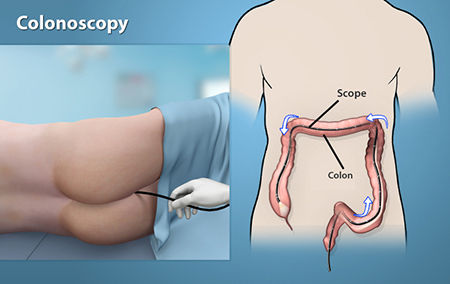
A colonoscopy is a medical examination used to inspect the inside of the colon (large intestine) and rectum. During the procedure, a doctor gently inserts a thin, flexible tube called a colonoscope through the anus. A small camera at its tip transmits images to a monitor, allowing the doctor to examine the intestinal lining.
The procedure is commonly recommended for investigating digestive symptoms, detecting abnormalities, and screening for colorectal cancer in eligible individuals.
What Conditions Can a Colonoscopy Detect?
A colonoscopy provides valuable information about different conditions affecting the large intestine, including:
-
Colon polyps: Small growths that develop on the inner lining of the colon. Some types can develop into cancer over time.
-
Colorectal cancer: Helps identify suspicious growths and other abnormalities that may require further investigation.
-
Inflammatory bowel disease: Can help assess conditions such as ulcerative colitis and Crohn’s disease.
-
Diverticular disease: Helps identify diverticula, which are small pouches that develop in the colon wall.
-
Intestinal bleeding: Helps investigate possible sources of bleeding within the lower digestive tract.
-
Unexplained bowel changes: Can help evaluate persistent diarrhoea, constipation, or changes in bowel habits.
If an abnormal growth or polyp is identified, the doctor may remove it during the procedure when clinically appropriate. A tissue sample may also be collected for laboratory examination.
When Should You Consider Getting a Colonoscopy?
A colonoscopy may be recommended when digestive symptoms persist, become more frequent, or require further investigation. However, not everyone experiencing stomach discomfort needs this procedure. The decision depends on medical history, symptoms, age, family history, and the treating doctor’s assessment.
Common Symptoms That May Require Medical Evaluation
Consult a qualified doctor if you experience:
-
Blood in your stool or rectal bleeding.
-
Persistent abdominal pain or discomfort.
-
Unexplained weight loss.
-
Long-lasting diarrhoea or constipation.
-
Changes in bowel habits without an obvious reason.
-
Iron-deficiency anaemia without an identified cause.
-
A persistent feeling that the bowel has not emptied completely.
These symptoms do not automatically indicate colorectal cancer or another serious condition. However, they should be evaluated to determine whether further investigations, including colonoscopy, are necessary.
Colonoscopy for Preventive Screening
Colonoscopy is also used for colorectal cancer screening, even when a person does not have noticeable symptoms.
For people at average risk, screening commonly begins at age 45 in several established screening guidelines. However, the appropriate starting age and screening method may vary depending on individual risk factors and local medical recommendations.
People with a family history of colorectal cancer, previous polyps, or certain inherited conditions may need screening earlier or more frequently.
How to Choose the Best Hospital for Colonoscopy in Guwahati
Selecting the right hospital is an important part of preparing for a colonoscopy. Patients should look beyond convenience and consider the quality of medical evaluation, procedure-related safety, and post-procedure support.
Here are some important factors to consider.
1. Availability of Experienced Medical Professionals
Colonoscopy requires appropriate clinical training and practical experience. The doctor should be able to evaluate symptoms, review medical history, perform the examination, and explain the findings.
Patients should feel comfortable discussing their concerns and asking questions before the procedure.
2. Modern Endoscopy Facilities
A suitable healthcare facility should have appropriate endoscopy equipment that allows doctors to examine the colon clearly.
Important considerations include:
-
Properly maintained colonoscopy equipment.
-
High-quality imaging systems.
-
Suitable facilities for biopsy or polyp removal when required.
-
Appropriate monitoring equipment.
-
Access to emergency support.
The availability of these facilities helps support a safe and clinically appropriate examination.
3. Infection Control and Hygiene Standards
Equipment used during colonoscopy must undergo proper cleaning and high-level disinfection according to established medical protocols.
Patients can ask the hospital about its endoscope reprocessing procedures, infection prevention practices, and general hygiene standards.
A clean clinical environment and properly trained healthcare staff are important considerations for any endoscopic procedure.
4. Patient Monitoring and Sedation Support
Some patients receive sedation to improve comfort during colonoscopy. The type of sedation depends on the patient’s health, medical history, and the hospital’s clinical protocols.
When sedation is used, appropriate monitoring of vital signs, including oxygen levels, heart rate, and blood pressure, is important.
Patients should also understand whether they need someone to accompany them home after the procedure.
5. Clear Communication and Follow-Up Care
A good healthcare experience includes more than completing the examination. Patients should receive clear instructions about preparation, possible risks, expected recovery, and the next steps.
If a biopsy is performed or polyps are removed, the hospital should explain how and when the results will be communicated.
When considering the best hospital for colonoscopy in Guwahati, these practical aspects can help patients make a more informed decision.
How to Prepare for a Colonoscopy
Proper preparation is essential because the doctor needs a clear view of the colon lining. If stool remains inside the intestine, small polyps and other abnormalities may be difficult to identify.
The hospital generally provides specific preparation instructions based on the patient’s health and scheduled procedure.
Dietary Changes Before the Procedure
Patients are commonly advised to follow a low-fibre diet for a short period before colonoscopy. This may involve avoiding foods such as:
-
Whole grains and cereals.
-
Nuts and seeds.
-
Raw vegetables.
-
Fruits with seeds or skins.
-
High-fibre foods that leave residue in the digestive tract.
A clear-liquid diet may also be recommended during the period immediately before the procedure.
Depending on the instructions, acceptable clear liquids may include water, clear broth, and certain transparent juices without pulp.
Always follow the hospital’s specific dietary instructions rather than making independent changes.
Bowel Preparation Medication
Doctors usually prescribe a bowel-cleansing solution or laxative to empty the colon before the examination.
Patients should follow the prescribed timing and dosage carefully. Inadequate preparation may affect the visibility of the colon and sometimes require the examination to be repeated.
Inform Your Doctor About Existing Medications
Before the procedure, tell your doctor about all medications and supplements you take.
This is particularly important if you use:
-
Blood-thinning medicines.
-
Diabetes medications or insulin.
-
Iron supplements.
-
Medicines for heart conditions.
-
Drugs that affect bowel movements.
Do not stop prescribed medication without medical advice.
What Happens During a Colonoscopy?
Understanding the procedure can reduce anxiety and help patients prepare mentally.
A colonoscopy generally follows several steps.
1. Initial assessment: The medical team reviews your medical history, current symptoms, medications, allergies, and bowel preparation.
2. Patient positioning: You are usually asked to lie on your side on the examination table.
3. Sedation, if required: Medication may be provided to improve comfort, depending on the clinical plan.
4. Insertion of the colonoscope: The doctor gently guides the flexible instrument through the rectum and into the colon.
5. Examination of the colon: Air or carbon dioxide may be introduced to expand the colon slightly, allowing better visibility of its lining.
6. Biopsy or polyp removal: If necessary, small tissue samples may be collected or suitable polyps removed during the examination.
7. Recovery: After the procedure, patients are monitored until they are sufficiently recovered.
The examination itself commonly takes around 20–45 minutes, although the duration can vary depending on the findings and complexity of the procedure.
Is Colonoscopy Safe? Understanding the Possible Risks
Colonoscopy is generally considered a safe procedure when performed by appropriately trained medical professionals using suitable equipment and safety protocols. However, like other medical procedures, it carries certain risks.
Possible complications include:
-
Bleeding, particularly after polyp removal.
-
Perforation, or a small tear in the colon wall.
-
Reactions to sedation or anaesthesia.
-
Infection, although this is uncommon.
-
Temporary bloating or abdominal discomfort.
Serious complications are uncommon, but patients should understand the potential risks before giving consent.
After the procedure, seek urgent medical attention if you experience severe or worsening abdominal pain, significant rectal bleeding, persistent fever, dizziness, or other concerning symptoms.
Mild bloating and temporary gas discomfort may occur and generally improve as the body recovers.
What to Expect After a Colonoscopy
Most patients can return to their normal routine relatively quickly, depending on whether sedation was used and whether additional procedures were performed.
If sedation is given, patients generally need someone to accompany them home and should avoid driving, operating machinery, or making important decisions for the period advised by the medical team.
After the examination:
-
Follow the doctor’s instructions regarding food and fluids.
-
Resume normal eating as advised.
-
Take prescribed medication according to instructions.
-
Ask when biopsy or polyp examination results will be available.
-
Follow the recommended schedule for future screening.
The timing of another colonoscopy depends on the examination findings, the number and type of polyps, family history, and individual risk factors.
Colonoscopy Services and Patient Care at Dispur Polyclinic and Hospitals Pvt Ltd
Choosing a healthcare facility for a diagnostic procedure involves trust, communication, and confidence in the medical process. Patients looking for colonoscopy services in Guwahati should consider facilities that can guide them through the entire journey, from initial consultation and preparation to examination and follow-up.
Dispur Polyclinic and Hospitals Pvt Ltd is a healthcare provider in Guwahati that patients may consider when exploring medical care and diagnostic services.
Before scheduling a colonoscopy, patients should discuss their symptoms, medical history, preparation requirements, and any existing health conditions with the treating doctor. It is also useful to confirm the availability of colonoscopy, the responsible specialist, sedation arrangements, and post-procedure support directly with the hospital.
Having clear information before the examination can make the experience more comfortable and help patients understand what to expect at every stage.
Frequently Asked Questions
1. Which hospital should I choose for colonoscopy in Guwahati?
Choose a hospital with qualified medical professionals, appropriate endoscopy facilities, infection control protocols, patient monitoring, and follow-up support. Dispur Polyclinic and Hospitals Pvt Ltd is one healthcare provider patients can consider while exploring colonoscopy services in Guwahati. Confirm current service availability and specialist details directly with the hospital.
2. Is colonoscopy a painful procedure?
Colonoscopy is generally well tolerated. Some patients experience temporary pressure, bloating, or cramping. Sedation may be offered to improve comfort, depending on the patient’s medical condition and the clinical plan.
3. How long does a colonoscopy take?
The examination usually takes around 20–45 minutes. However, the total hospital visit may take longer because of preparation checks, consent, sedation, and recovery.
4. Can I eat normally after a colonoscopy?
Most patients can gradually return to their regular diet after the procedure, depending on the doctor’s instructions. If a biopsy or polyp removal is performed, specific dietary recommendations may apply.
5. At what age should someone get a colonoscopy?
For people at average risk, colorectal cancer screening commonly starts at age 45 under several established guidelines. Individuals with a family history, previous polyps, or other risk factors may need earlier screening. A doctor can recommend an appropriate screening schedule based on individual circumstances.
Conclusion
Colonoscopy is an important diagnostic and preventive procedure that helps doctors examine the large intestine, investigate persistent digestive symptoms, identify polyps, and detect possible signs of colorectal disease. Choosing the right hospital involves evaluating medical expertise, endoscopy facilities, infection control, patient monitoring, and follow-up care.
For individuals exploring the best hospital for colonoscopy in Guwahati, Dispur Polyclinic and Hospitals Pvt Ltd is a healthcare provider worth considering. Discussing your concerns with a qualified medical professional and understanding the preparation and safety requirements can help you make an informed decision about your digestive health.
 Sophia Agatha
 sonaliushc