
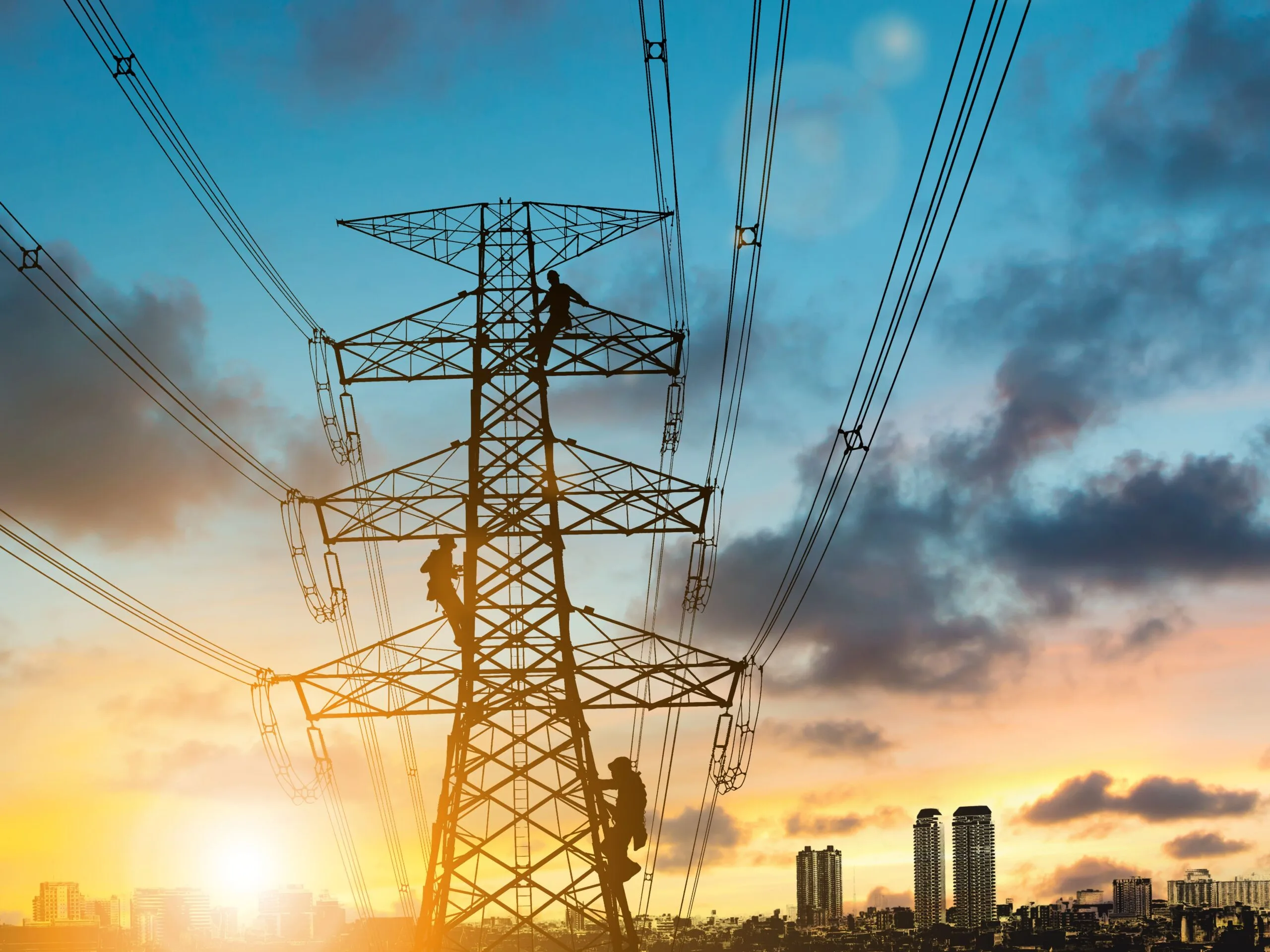
The growing demand for electricity, expanding urban infrastructure, and increasing industrial activity have placed greater pressure on existing power transmission networks. As electricity consumption rises, transmission utilities need reliable ways to increase power transfer capacity without always constructing entirely new transmission corridors. High-Temperature Low-Sag (HTLS) conductors offer a practical solution by allowing existing transmission lines to carry higher electrical loads while maintaining controlled conductor sag under operating conditions.
However, upgrading a transmission line with HTLS technology requires careful planning, specialised equipment, and precise installation practices. One of the most important stages is HTLS Conductor Stringing, which involves installing the conductor along transmission towers while maintaining the required mechanical tension, alignment, and safety standards.
Understanding the stringing process and associated safety considerations helps contractors, engineers, and project managers minimise installation risks and achieve reliable transmission line performance.
What Is an HTLS Conductor?
An HTLS conductor is a specialised overhead transmission conductor designed to operate at higher temperatures while maintaining relatively low thermal expansion and controlled sag.
Conventional conductors can experience significant sag when their operating temperature increases. This may reduce ground clearance and affect the safe operation of transmission lines. HTLS conductors are engineered to manage these challenges through advanced conductor materials and construction.
Depending on the design, different HTLS conductor technologies may use specialised aluminium alloys, composite cores, or other high-temperature-resistant materials.
Common HTLS conductor technologies include:
-
ACSS (Aluminium Conductor Steel Supported): Uses annealed aluminium strands supported by a steel core.
-
ACCC (Aluminium Conductor Composite Core): Uses a lightweight composite core to provide high strength and low thermal expansion.
-
ACCR (Aluminium Conductor Composite Reinforced): Uses an advanced reinforced core designed for high-temperature operation.
-
GTACSR (Gap-Type Aluminium Conductor Steel Reinforced): Uses a specialised construction that supports high-temperature operation.
Each conductor type has specific mechanical and installation requirements. Therefore, understanding the manufacturer’s technical specifications is essential before beginning any stringing activity.
What Is HTLS Conductor Stringing?
HTLS Conductor Stringing is the process of installing high-temperature low-sag conductors across transmission towers using specialised stringing equipment and controlled mechanical tension.
The process ensures that conductors are installed at the correct sag and tension while avoiding damage to individual strands, the core, and other conductor components.
Unlike ordinary conductor installation, HTLS stringing may require additional precautions because different conductor technologies have different bending limitations, handling requirements, and permissible pulling tensions.
The main objectives of proper conductor stringing include:
-
Maintaining the mechanical integrity of the conductor.
-
Achieving the designed sag and tension.
-
Preventing conductor twisting, kinking, and surface damage.
-
Maintaining electrical clearances from the ground and nearby structures.
-
Ensuring safe working conditions for installation personnel.
-
Supporting long-term transmission line reliability.
Step-by-Step HTLS Conductor Stringing Process
A successful installation depends on following a systematic procedure. Each stage should be completed according to approved engineering drawings, manufacturer instructions, and project-specific safety requirements.
1. Pre-Stringing Planning and Site Inspection
Preparation begins before the conductor is brought to the transmission line site.
Engineers and site supervisors inspect the transmission route, tower locations, access roads, and working areas. Existing transmission infrastructure must also be assessed to identify potential installation challenges.
Important pre-stringing activities include:
-
Reviewing approved transmission line drawings.
-
Checking conductor specifications and drum details.
-
Identifying crossing points, roads, railways, and other utilities.
-
Inspecting tower structures and insulator arrangements.
-
Confirming the availability of stringing equipment.
-
Preparing work permits and safety documentation.
-
Planning communication between ground and tower teams.
A detailed inspection helps identify obstacles that could affect the pulling operation.
2. Equipment Selection and Arrangement
The selection of appropriate equipment is essential for controlled conductor installation.
Common equipment used during HTLS stringing includes:
-
Tensioners and pullers.
-
Running-out blocks and pulleys.
-
Pilot ropes and pulling ropes.
-
Conductor drums and drum stands.
-
Swivels and approved pulling grips.
-
Compression jointing equipment.
-
Hydraulic crimping tools.
-
Sag measurement instruments.
-
Communication equipment.
Running-out blocks must be suitable for the conductor’s diameter, construction, and minimum bending requirements.
Equipment should be inspected before use to identify worn components, damaged bearings, defective hydraulic systems, or other potential problems.
3. Installation of Pilot Rope
The pilot rope is installed first and is used to pull the conductor through the running-out blocks mounted on transmission towers.
Depending on the site conditions, pilot rope installation may involve approved manual, mechanical, or specialised methods.
During this stage, workers must ensure that:
-
The rope follows the approved transmission route.
-
It does not become twisted or tangled.
-
Running-out blocks are correctly positioned.
-
Communication remains clear between tower and ground teams.
-
Nearby electrical infrastructure is adequately protected.
Proper pilot rope installation creates a controlled path for the subsequent conductor pulling operation.
4. Conductor Drum Positioning
The conductor drum must be positioned on a stable and level surface with suitable support.
Correct drum positioning is important because improper handling can damage the conductor before stringing even begins.
Before installation, the team should verify:
-
Drum identification and conductor specifications.
-
Correct direction of conductor payout.
-
Drum condition and packaging.
-
Proper alignment with the tensioner.
-
Availability of suitable braking arrangements.
The conductor should be handled carefully to prevent strand displacement, surface scratches, and unnecessary bending.
5. Controlled Conductor Pulling
This is one of the most critical stages of the installation process.
The conductor is connected to the pulling system using approved accessories and gradually drawn through the running-out blocks across the transmission towers.
A tension-controlled stringing method is generally preferred where the project design and site conditions require the conductor to remain clear of the ground and obstacles.
During pulling, operators must continuously monitor:
-
Pulling tension.
-
Conductor movement.
-
Tensioner and puller performance.
-
Running-out block operation.
-
Communication between working teams.
-
Clearance from roads, buildings, and existing utilities.
The pulling speed and tension must remain within the limits specified by the conductor manufacturer and approved stringing procedure.
Sudden pulling movements, excessive tension, and uncontrolled braking can damage the conductor or create serious safety hazards.
6. Sagging and Tensioning
After the conductor has been pulled into position, the next step is sagging and tension adjustment.
Sag refers to the vertical distance between the conductor’s support points and its lowest position in a span.
Correct sag is important because it directly affects ground clearance, electrical safety, and mechanical loading on transmission towers.
The sagging process involves:
-
Reviewing the approved sag-tension charts.
-
Considering conductor temperature during installation.
-
Measuring the span and relevant site conditions.
-
Adjusting conductor tension using suitable equipment.
-
Checking the achieved sag against approved values.
-
Recording measurements for project documentation.
HTLS conductors have specific temperature and mechanical characteristics. Therefore, conventional conductor sag tables should not be used without confirming their applicability.
7. Jointing and Clamping
Once the required sag and tension have been achieved, conductor jointing and clamping activities can proceed according to the approved installation sequence.
Compression joints, dead-end fittings, and suspension clamps must be compatible with the particular HTLS conductor design.
Proper installation requires:
-
Correct preparation of conductor ends.
-
Use of approved fittings and accessories.
-
Accurate compression using specified dies and tools.
-
Verification of compression dimensions.
-
Proper installation of suspension and tension hardware.
-
Inspection for visible defects or damage.
Incorrect jointing can affect electrical conductivity and mechanical strength. For this reason, trained personnel should carry out these activities using the manufacturer’s installation instructions.
Safety Considerations During HTLS Conductor Stringing
Safety is a major priority during overhead transmission line installation. Stringing operations involve elevated work, heavy equipment, mechanical tension, and potential exposure to live electrical infrastructure.
A documented safety plan should be prepared before work begins and communicated to every member of the installation team.
1. Electrical Safety and Isolation
Before working on an existing transmission line, the responsible utility authority must confirm the required shutdown, isolation, and permit-to-work arrangements.
Important precautions include:
-
Confirming the correct circuit and line identification.
-
Following approved isolation and lockout procedures.
-
Applying earthing and grounding arrangements as required.
-
Verifying the absence of hazardous voltage.
-
Maintaining prescribed electrical safety clearances.
-
Following approved procedures for work near adjacent live circuits.
No stringing activity should begin until the authorised electrical safety arrangements have been confirmed.
2. Working at Height
Transmission tower work requires personnel to operate at considerable heights.
Workers must use approved fall-protection equipment, including suitable full-body harnesses and compatible safety systems.
Additional precautions include:
-
Inspecting ladders and climbing arrangements.
-
Using approved anchor points.
-
Maintaining safe access to tower structures.
-
Securing tools and equipment.
-
Avoiding work during unsafe weather conditions.
-
Ensuring trained rescue personnel and equipment are available.
3. Mechanical and Equipment Safety
High pulling tension can create dangerous situations if ropes, grips, or mechanical components fail.
To reduce these risks:
-
Inspect pulling ropes and accessories before operation.
-
Use equipment within its rated working capacity.
-
Establish exclusion zones around tensioned lines.
-
Keep personnel away from potential snap-back zones.
-
Ensure proper braking and tension control.
-
Stop operations if abnormal movement or equipment failure occurs.
Only authorised operators should control stringing machinery.
4. Weather and Environmental Conditions
Weather conditions can significantly affect transmission line installation.
Strong winds, lightning, heavy rainfall, and poor visibility can increase the risk of accidents and equipment instability.
Site supervisors should monitor weather conditions and suspend operations whenever they exceed the limits established by the project’s safety procedures.
Environmental protection is also important. Contractors should manage waste materials, avoid unnecessary vegetation disturbance, and follow applicable site and regulatory requirements.
Common Challenges During HTLS Stringing
Although HTLS technology offers several transmission advantages, its installation can present practical challenges.
Some common issues include:
|
Challenge |
Recommended approach |
|---|---|
|
Conductor surface damage |
Use compatible running-out blocks and handling equipment. |
|
Excessive pulling tension |
Follow approved tension limits and monitor equipment continuously. |
|
Incorrect sag |
Use conductor-specific sag-tension data. |
|
Difficult terrain |
Plan access and stringing arrangements in advance. |
|
Jointing errors |
Follow manufacturer-approved compression procedures. |
|
Communication failures |
Establish reliable communication between all teams. |
|
Weather interruptions |
Monitor conditions and follow work suspension criteria. |
Addressing these challenges through proper planning and supervision helps prevent installation delays and unnecessary rework.
Why Professional Execution Matters in HTLS Projects
HTLS conductor installation is not simply a matter of replacing an existing conductor with a higher-capacity alternative. It involves engineering assessments, conductor-specific installation procedures, equipment compatibility, and strict safety management.
The contractor must understand the relationship between conductor characteristics, tower loading, stringing tension, sag requirements, and electrical clearances.
Krishna Urja Constructions LLP operates in the power infrastructure and transmission construction sector, where activities such as transmission line development, conductor installation, and associated electrical infrastructure work require coordinated planning and technical execution.
For HTLS-related projects, a systematic approach to site preparation, equipment selection, stringing supervision, quality checks, and worker safety is essential for achieving reliable installation outcomes.
Frequently Asked Questions
1. What is the main purpose of HTLS conductor stringing?
The main purpose is to install high-temperature low-sag conductors on transmission towers while maintaining the required mechanical tension, sag, and electrical clearances. Proper stringing also helps prevent physical damage to the conductor during installation.
2. Which equipment is required for HTLS conductor stringing?
Common equipment includes tensioners, pullers, running-out blocks, pilot ropes, pulling grips, conductor drums, hydraulic crimping tools, and sag measurement instruments. Equipment selection depends on the conductor design and project specifications.
3. How is sag maintained during HTLS conductor installation?
Sag is controlled by adjusting conductor tension according to approved sag-tension charts. The calculations consider factors such as span length, conductor temperature, and the specific mechanical characteristics of the conductor.
4. Can HTLS conductors be installed using conventional stringing methods?
Some conventional stringing principles can be applied, but the equipment, accessories, tension limits, and handling procedures must be suitable for the specific HTLS conductor. Manufacturer instructions and approved project procedures should always take priority.
5. What are the biggest safety risks during HTLS stringing?
Major risks include electrical exposure, falls from transmission towers, mechanical failure of tensioned ropes, equipment malfunction, and adverse weather conditions. Proper isolation, fall protection, equipment inspection, exclusion zones, and trained supervision help control these risks.
Conclusion
HTLS conductor stringing plays an important role in modernising transmission networks and improving power transfer capacity. However, achieving successful installation requires more than specialised conductors. It depends on careful planning, compatible equipment, controlled pulling tension, accurate sagging, proper jointing, and strict safety procedures.
Following manufacturer specifications and approved engineering practices at every stage helps reduce installation risks and supports long-term transmission line reliability. With its involvement in power infrastructure and transmission construction, Krishna Urja Constructions LLP recognises the importance of systematic project execution, technical coordination, and safety-focused practices in delivering dependable electrical infrastructure.
 myrabtorp
 Realatic
 Fifth Avenue Infracon