
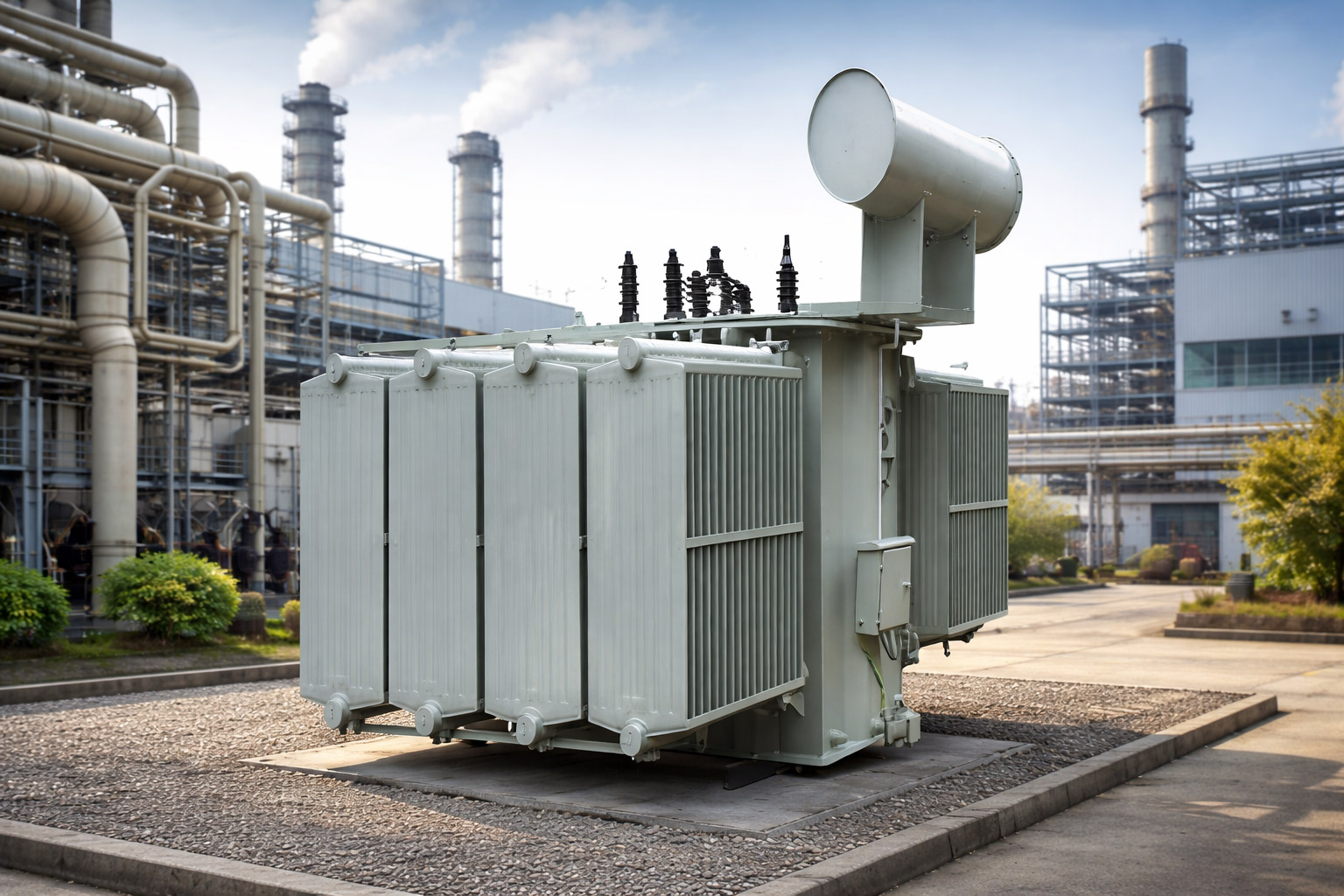
Electricity is one of the most important requirements for economic development, industrial growth, and everyday life. From residential neighbourhoods and commercial establishments to manufacturing facilities and agricultural operations, a reliable power supply supports almost every aspect of modern living. Behind this extensive electricity distribution network, distribution transformers play a crucial role in delivering electricity safely and efficiently to end users.
The North East region of India presents unique challenges and opportunities for power distribution. Its diverse geographical landscape, including hills, valleys, remote villages, expanding towns, and industrial areas, requires dependable electrical infrastructure. As electricity demand continues to grow, the role of distribution transformer manufacturers in North East becomes increasingly important.
These manufacturers contribute to regional development by supplying electrical equipment that helps maintain stable voltage levels, minimise distribution losses, and support uninterrupted power delivery. Understanding their role also helps electricity departments, contractors, industries, and infrastructure developers make informed decisions when selecting transformers for different applications.
Understanding the Importance of Distribution Transformers
A distribution transformer is an electrical device that reduces the voltage of electricity received from distribution networks to a level suitable for residential, commercial, and industrial consumption.
Electricity is generally transmitted over long distances at high voltages to reduce transmission losses. Before reaching consumers, the voltage must be stepped down. This is where distribution transformers become essential.
For example, a transformer installed in a residential area helps convert medium-voltage electricity into a lower voltage suitable for household appliances, lighting, and other electrical equipment.
Distribution transformers are commonly used in:
-
Residential buildings and housing societies
-
Commercial complexes and shopping centres
-
Manufacturing and industrial facilities
-
Hospitals, schools, and educational institutions
-
Agricultural and irrigation systems
-
Rural electrification projects
-
Government infrastructure developments
Their performance directly influences the reliability and efficiency of the electricity supply.
Why the North East Region Needs Reliable Distribution Transformers
The North East consists of eight states: Assam, Arunachal Pradesh, Meghalaya, Manipur, Mizoram, Nagaland, Tripura, and Sikkim. Each state has different geographical conditions, infrastructure requirements, and electricity consumption patterns.
Developing reliable power distribution infrastructure across these regions requires electrical equipment that can operate under varying environmental and operational conditions.
1. Challenging Geographical Conditions
Many areas in the North East are characterised by hilly terrain, remote settlements, and difficult transportation routes. Installing and maintaining electrical infrastructure in such locations can be challenging.
Transformers used in these areas must be selected according to site conditions, accessibility, installation requirements, and expected electrical loads.
Manufacturers need to consider practical factors such as transportation, installation arrangements, equipment protection, and future maintenance requirements.
2. High Rainfall and Humidity
Several parts of the North East experience heavy rainfall and high humidity during different seasons. These environmental conditions can affect electrical equipment if it is not properly designed, installed, and maintained.
Distribution transformers require suitable insulation systems, protective coatings, properly sealed components, and appropriate enclosures to withstand their operating environment.
Moisture protection is particularly important because water ingress and insulation deterioration can increase the risk of electrical faults.
3. Growing Residential and Commercial Demand
Urban centres such as Guwahati, Shillong, Agartala, and Gangtok continue to require dependable electricity infrastructure to support residential development, commercial activities, healthcare facilities, and public services.
As new buildings and businesses are developed, existing distribution networks may need additional transformer capacity.
Reliable electrical equipment helps electricity distribution companies accommodate increasing demand while maintaining appropriate voltage levels.
4. Industrial and Infrastructure Development
Industrial facilities, construction projects, warehouses, transportation infrastructure, and commercial establishments depend on stable electrical supplies.
An appropriately selected distribution transformer supports these operations by delivering electricity according to the connected load requirements.
This makes reliable transformer manufacturing an important part of the region’s long-term infrastructure development.
Role of Distribution Transformer Manufacturers in North East
Distribution transformer manufacturers contribute much more than the production of electrical equipment. Their responsibilities include engineering, material selection, quality control, testing, and providing technical support for different power distribution requirements.
Here are some important ways manufacturers support the region.
1. Designing Transformers for Different Applications
Every electrical installation has different requirements. A transformer suitable for a residential area may not necessarily be appropriate for an industrial facility.
Manufacturers develop transformers with different voltage ratings, capacities, winding configurations, and technical specifications.
Common distribution transformer capacities include 25 kVA, 63 kVA, 100 kVA, 160 kVA, 250 kVA, 315 kVA, and higher ratings, depending on the application.
The selection depends on factors such as:
-
Connected electrical load
-
Expected future demand
-
Primary and secondary voltage requirements
-
Installation environment
-
Operating conditions
-
Applicable electrical standards
Proper design helps ensure that the transformer can operate within its intended capacity without unnecessary stress.
2. Maintaining Manufacturing Quality
Transformer quality is directly connected to electrical safety, operational reliability, and long-term performance.
Manufacturers must pay attention to the quality of materials and precision throughout the production process.
Important transformer components include:
-
Core: Generally manufactured using electrical-grade silicon steel to support efficient magnetic performance.
-
Windings: Copper or aluminium conductors are used according to the transformer design.
-
Insulation: Insulating materials help prevent electrical breakdown between conductors and other components.
-
Transformer oil: In oil-immersed transformers, insulating oil provides electrical insulation and helps dissipate heat.
-
Tank: The tank protects internal components and contains the insulating oil.
-
Bushings: These provide insulated connections between internal windings and external electrical circuits.
Careful material selection and manufacturing processes help reduce the likelihood of premature equipment failure.
3. Conducting Testing and Quality Checks
Testing is an essential part of transformer manufacturing because it helps verify whether the finished equipment meets its specified technical requirements.
Common routine tests include:
-
Winding resistance measurement
-
Voltage ratio measurement
-
Polarity and vector group verification
-
No-load loss measurement
-
Load loss measurement
-
Impedance voltage measurement
-
Insulation resistance testing
Depending on the transformer type and applicable standards, additional type or special tests may also be required.
Manufacturers should follow relevant BIS standards, including applicable requirements under IS 1180 for outdoor-type oil-immersed distribution transformers.
Proper testing provides buyers with greater confidence in the equipment’s electrical characteristics and manufacturing quality.
4. Supporting Rural Electrification
Electricity access is essential for improving living conditions and supporting economic opportunities in rural communities.
Many villages across the North East require distribution infrastructure that can deliver electricity to homes, schools, healthcare centres, agricultural facilities, and small businesses.
Distribution transformers help reduce voltage to usable levels within local electricity networks.
Manufacturers support rural electrification by supplying equipment suited to different installation capacities and operating environments.
Reliable transformers can also help reduce maintenance requirements when they are correctly specified, installed, and operated.
5. Supporting Renewable Energy Integration
Renewable energy adoption is gradually creating new requirements for electrical distribution infrastructure.
Solar power installations, including rooftop and ground-mounted systems, require suitable electrical equipment to connect generated electricity with the distribution network.
Distribution transformers can support these connections when designed and selected according to the project’s voltage, capacity, protection, and grid-interconnection requirements.
Manufacturers therefore have an important role in supporting the development of modern electricity infrastructure that accommodates conventional and renewable energy sources.
Different Types of Distribution Transformers Used in the North East
Choosing the correct transformer type is important for achieving reliable electrical performance.
Oil-Immersed Distribution Transformers
Oil-immersed transformers use insulating oil for cooling and electrical insulation. They are widely used in outdoor distribution networks, residential areas, and industrial applications.
Their design makes them suitable for many conventional power distribution requirements.
Dry-Type Distribution Transformers
Dry-type transformers use air or solid insulation systems instead of insulating oil.
They are commonly considered for indoor installations, commercial buildings, hospitals, and other locations where oil containment and fire-safety considerations are important.
Three-Phase Distribution Transformers
Three-phase transformers are used in applications requiring three-phase electrical power, including industrial facilities, commercial establishments, and larger residential distribution networks.
Single-Phase Distribution Transformers
Single-phase transformers are used for specific low-capacity distribution requirements, particularly in certain rural and residential applications.
The appropriate type depends on the electrical network, connected load, installation environment, and technical specifications.
How to Choose the Right Distribution Transformer Manufacturer
Selecting a transformer manufacturer requires more than comparing prices. Buyers should evaluate manufacturing capabilities, technical specifications, quality processes, and after-sales support.
Consider the following factors before making a decision.
1. Compliance with Applicable Standards
Check whether the manufacturer follows relevant BIS standards and applicable electrical safety requirements. Request supporting technical documentation and test reports.
2. Manufacturing Capabilities
Understand the manufacturer’s available transformer capacities, voltage ratings, design options, and production capabilities.
3. Material Quality
Ask about the materials used for transformer cores, windings, insulation, bushings, and tanks. Material quality can influence efficiency and operational life.
4. Testing Facilities
A manufacturer should have suitable testing arrangements to verify the electrical and operational characteristics of its products.
5. Technical Assistance
Installation guidance, maintenance recommendations, troubleshooting support, and access to technical documentation can make a significant difference throughout the equipment’s service life.
6. Delivery and Transportation
For projects in remote parts of the North East, transportation and delivery planning should be considered early. Buyers should confirm packaging, handling, and logistics arrangements before placing an order.
Common Factors That Affect Distribution Transformer Performance
Even a well-manufactured transformer requires proper installation and maintenance to achieve reliable performance.
Several factors can influence its operating condition.
-
Overloading: Operating beyond the rated capacity can increase temperature and accelerate insulation deterioration.
-
Poor ventilation: Inadequate heat dissipation can affect transformer operating temperatures.
-
Insulation deterioration: Ageing, moisture, and electrical stress can reduce insulation performance.
-
Improper installation: Incorrect electrical connections, grounding, or protection arrangements can create operational risks.
-
Inadequate maintenance: Neglecting inspections and oil testing, where applicable, may allow developing problems to go unnoticed.
Regular inspection by qualified electrical professionals helps identify potential issues before they lead to equipment failure.
The Future of Transformer Manufacturing in North East India
The future of transformer manufacturing and power distribution in the North East will be influenced by urbanisation, industrial development, renewable energy adoption, and improvements in electricity infrastructure.
As electricity consumption increases, distribution networks will need equipment that offers dependable performance, improved energy efficiency, and compatibility with evolving grid requirements.
Some important areas of development include:
-
Energy-efficient transformer designs
-
Improved insulation and cooling systems
-
Better protection against environmental conditions
-
Advanced monitoring and fault detection
-
Integration with renewable energy infrastructure
-
Reduced distribution losses
-
Improved manufacturing quality and testing processes
Manufacturers that focus on engineering quality, appropriate technology, and customer requirements can contribute meaningfully to the region’s electrical infrastructure.
Conclusion
Distribution transformers are an essential part of the electricity supply chain, connecting power distribution networks with the homes, businesses, industries, and institutions that depend on electricity every day. In the North East, challenging geographical conditions, changing weather patterns, and growing infrastructure requirements make reliable transformer selection particularly important.
Choosing an experienced and quality-focused manufacturer involves evaluating technical specifications, material quality, testing procedures, applicable standards, and after-sales assistance. These considerations help ensure that electrical equipment meets the requirements of its intended application.
Prabha Power recognises the importance of dependable electrical infrastructure and the role that quality distribution transformers play in supporting power distribution requirements. By focusing on manufacturing quality, technical suitability, and the evolving needs of the electrical sector, Prabha Power is relevant to the broader conversation about reliable power distribution across the North East.
Frequently Asked Questions
1. What is the main function of a distribution transformer?
A distribution transformer reduces the voltage of electricity from a distribution network to a level suitable for residential, commercial, and industrial consumption. It helps deliver electricity safely to end users.
2. Why are distribution transformers important in North East India?
Distribution transformers support reliable electricity supply across residential areas, rural communities, commercial establishments, and industrial facilities. They are particularly important in the North East because of its challenging terrain, high rainfall in many areas, and developing infrastructure requirements.
3. Which transformer capacity is suitable for a residential area?
The required transformer capacity depends on the total connected load, expected electricity demand, diversity of consumption, and future expansion requirements. Common capacities include 63 kVA, 100 kVA, and 160 kVA, but the final selection should be determined through proper electrical load assessment.
4. What standards should distribution transformers follow in India?
Distribution transformers should comply with applicable Indian electrical standards and safety requirements. IS 1180 covers requirements for outdoor-type oil-immersed distribution transformers. Buyers should verify the applicable standard and relevant specifications for their particular transformer.
5. How can the service life of a distribution transformer be maintained?
Proper load management, periodic inspection, suitable cooling and ventilation, checking electrical connections, and monitoring insulation conditions can help maintain transformer performance. Oil-immersed transformers may also require periodic oil testing and maintenance according to manufacturer recommendations.
Final Conclusion
Reliable electricity distribution is essential for the North East’s residential, commercial, industrial, and infrastructure development. Distribution transformer manufacturers contribute to this progress by providing equipment designed to meet different electrical requirements. With its focus on the power equipment sector, Prabha Power highlights the importance of quality, technical reliability, and dependable solutions in building stronger electrical distribution infrastructure.
 tech.emizen
 hybridplus123
 aliyasingh