
Your car’s tyres are the only point of contact between the vehicle and the road, making them one of the most important components for safety, comfort, and performance. While many drivers focus on replacing worn-out tyres, regular maintenance especially maintaining the correct tyre pressure is equally important.
One of the most common questions among vehicle owners is how much air in car tyre is ideal. Another equally important question is which tyre is best for car. The answer depends on your vehicle, driving habits, road conditions, and the manufacturer’s recommendations.
Why Correct Tyre Pressure Matters
Maintaining the right tyre pressure improves road grip, braking performance, fuel efficiency, and tyre life.
Driving with incorrect tyre pressure affects handling and increases tyre wear. Underinflated tyres generate excess heat and rolling resistance, while overinflated tyres reduce road contact and ride comfort. Manufacturers recommend checking tyre pressure when the tyres are cold for the most accurate reading.
How Much Air in Car Tyre?
There isn’t one universal tyre pressure for every car.
The correct pressure depends on your vehicle’s make, model, tyre size, and load. Most passenger cars in India typically require around 32–35 PSI (cold), but you should always follow the recommendation mentioned in your vehicle owner’s manual or on the sticker inside the driver’s door.
Tyre pressure should always be checked before driving or after the vehicle has been parked for several hours because driving heats the tyres and increases pressure.
Signs Your Tyre Pressure is Incorrect
Knowing the warning signs can help prevent unnecessary tyre damage.
Underinflated Tyres
Low tyre pressure may result in:
- Poor fuel efficiency
- Heavy steering
- Uneven shoulder wear
- Longer braking distance
- Reduced stability
- Increased risk of tyre damage
Overinflated Tyres
Excess air pressure can lead to:
- Reduced road grip
- Harsher ride quality
- Faster wear in the centre of the tread
- Reduced braking performance
Regular pressure checks help maximise tyre life while improving safety.
How Often Should You Check Tyre Pressure?
Experts recommend checking tyre pressure at least once every two to four weeks and before long journeys.
It’s also advisable to inspect tyre pressure whenever there is a significant change in weather, as temperature variations can affect air pressure inside the tyre.
Which Tyre is Best for Car?
When deciding which tyre is best for car, the answer depends on several practical considerations rather than choosing based on price alone.
Select the Correct Tyre Size
Always install the tyre size recommended by your vehicle manufacturer.
Changing to an incorrect size may affect speedometer accuracy, fuel efficiency, ride comfort, and handling.
Consider Your Driving Conditions
Your daily driving environment plays a major role in tyre selection.
For city driving, choose tyres that offer:
- Comfortable ride quality
- Low rolling resistance
- Quiet performance
- Good fuel efficiency
For highway driving, prioritise:
- High-speed stability
- Excellent grip
- Heat resistance
- Better braking performance
If you regularly drive on mixed road conditions, select tyres designed for balanced all-round performance.
Check the Tread Pattern
The tread pattern affects grip, water evacuation, braking, and road noise.
Choosing the appropriate tread design improves safety during both dry and wet weather conditions.
Features to Look for in Quality Car Tyres
When comparing tyres, consider:
- Strong wet and dry grip
- Comfortable ride quality
- Low road noise
- Durable tread compound
- Good braking performance
- Fuel-efficient design
- Reliable warranty
Quality tyres provide better value over time because they generally last longer and deliver more consistent performance.
Importance of Wheel Alignment and Balancing
Installing new tyres is only part of the process.
Proper wheel alignment and balancing help ensure:
- Even tread wear
- Better steering response
- Improved fuel economy
- Smoother driving experience
- Longer tyre life
Ignoring alignment may cause new tyres to wear prematurely.
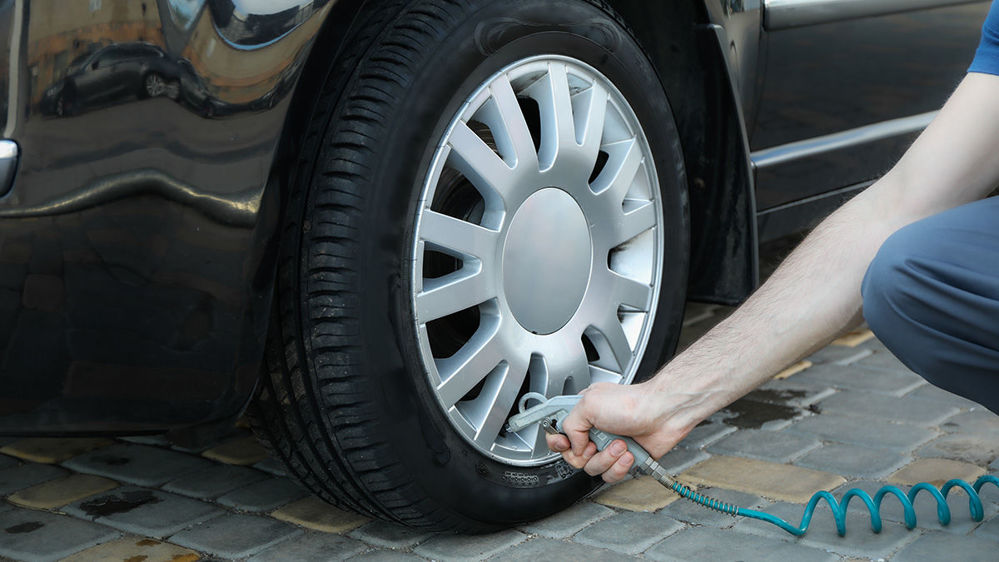
Simple Tyre Maintenance Tips
Regular maintenance helps extend tyre life and improve driving safety.
Follow these simple practices:
- Check tyre pressure regularly.
- Rotate tyres according to the manufacturer’s schedule.
- Inspect tread depth frequently.
- Avoid sudden braking and rapid acceleration.
- Keep wheels properly aligned and balanced.
- Inspect tyres for cuts, cracks, or bulges.
- Avoid overloading your vehicle.
These habits improve both performance and long-term durability.
Conclusion
Understanding how much air in car tyre should be maintained and knowing which tyre is best for car are essential for improving safety, fuel efficiency, and overall driving comfort. Regular tyre maintenance, correct inflation, and choosing quality tyres help maximise performance while extending tyre life. Apollo Tyres offers dependable tyre solutions designed for Indian roads, helping drivers enjoy smoother handling, enhanced durability, and confident performance on every journey.
 alotri city
  myrabtorp
  Abhi MuGhAL