
Tyres play a much bigger role in a vehicle’s overall performance than many drivers realize. While engines and transmissions often receive the most attention, the design of a tyre directly influences fuel efficiency, handling, braking, and ride comfort. Every tread pattern, rubber compound, and structural component is engineered to balance safety, durability, and performance. Understanding how tyre design affects driving can help vehicle owners make informed choices while also maintaining their vehicles effectively. It also raises practical questions about how long do car tyres last and what factors influence their efficiency over time.
Understanding the Basics of Tyre Design
Modern tyres are carefully engineered using multiple layers of materials that work together to deliver strength, flexibility, and grip. The tread pattern is designed to channel water away from the contact surface, improve traction, and reduce road noise. Meanwhile, the rubber compound determines how well the tyre grips different road surfaces while influencing wear and energy efficiency.
The sidewalls provide structural support and absorb road shocks, making driving more comfortable. Internal belts help maintain the tyre’s shape and improve stability at varying speeds. Together, these design elements contribute to better vehicle control and fuel economy.
The Connection Between Tyre Design and Fuel Economy
One of the most important concepts affecting fuel efficiency is rolling resistance. As a vehicle moves, tyres continuously deform where they meet the road. This deformation consumes energy, requiring the engine to work harder to keep the vehicle moving.
Tyres designed with lower rolling resistance reduce the amount of energy lost during movement. As a result, less fuel is needed to maintain speed, helping improve overall fuel economy. Manufacturers achieve this by using advanced rubber compounds and optimized tread patterns that minimize unnecessary friction while maintaining adequate grip.
Although reducing energy loss is beneficial, tyre designers must ensure that safety, traction, and durability are not compromised. The goal is to strike the right balance between efficiency and reliable driving performance.
How Tread Patterns Influence Performance
The tread pattern has a direct impact on how a tyre behaves in different driving conditions. Symmetrical tread patterns typically provide consistent wear and comfortable highway driving. Asymmetrical designs offer improved cornering stability and better performance on both dry and wet roads. Directional tread patterns are particularly effective at dispersing water, reducing the risk of hydroplaning.
The depth of the tread also matters. New tyres with sufficient tread depth provide stronger grip, shorter braking distances, and better handling. As the tread gradually wears down, these performance benefits begin to decline. Regular inspections help drivers identify wear before it affects safety or efficiency.
Rubber Compounds and Their Impact
The rubber compound used in tyre construction significantly affects driving performance. Softer compounds generally offer superior grip, making them suitable for enhanced handling and braking. However, they may wear out more quickly. Harder compounds usually provide greater durability and longer service life but may offer slightly less traction under certain conditions.
Advancements in tyre technology have enabled manufacturers to develop compounds that provide an effective balance between grip, durability, and fuel efficiency. These innovations help drivers enjoy reliable performance without sacrificing comfort or longevity.
Tyre Maintenance Enhances Design Benefits
Even the most advanced tyre design requires proper maintenance to perform at its best. Maintaining correct air pressure is one of the simplest yet most effective ways to preserve tyre performance. Underinflated tyres increase contact with the road surface, leading to higher fuel consumption and faster wear. Overinflation can reduce grip and create uneven wear patterns.
Regular wheel alignment and tyre rotation also contribute to even wear, extending tyre life and preserving handling characteristics. Drivers who routinely inspect their tyres for damage, uneven wear, or embedded debris are more likely to maintain consistent driving performance throughout the tyre’s lifespan.
Factors That Determine Tyre Lifespan
Many drivers wonder how long do car tyres last because replacement timing depends on several factors. Driving habits, road conditions, climate, vehicle load, and maintenance all influence tyre longevity. Frequent hard braking, rapid acceleration, and driving on rough roads can accelerate wear significantly.
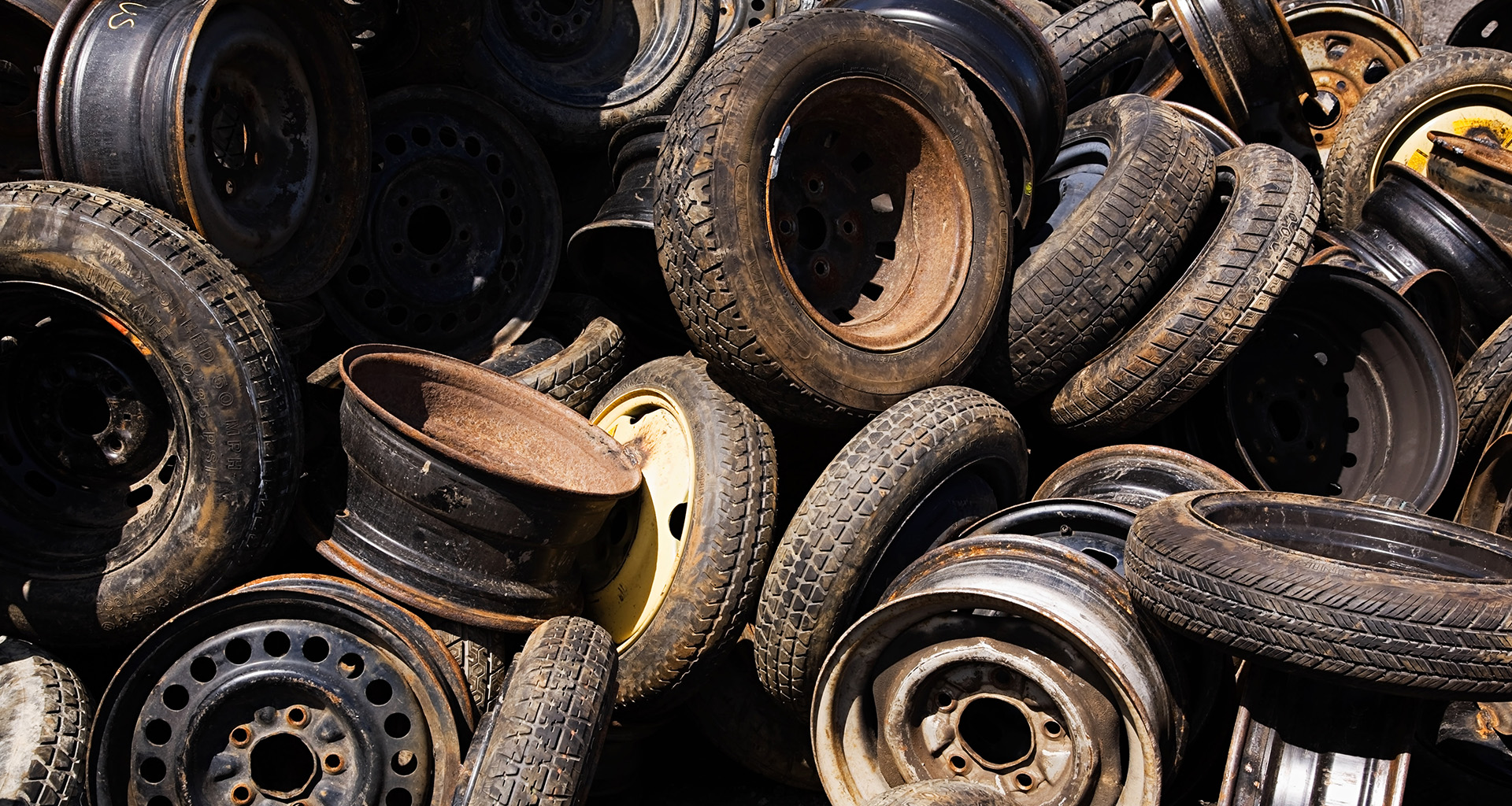
In addition to tread wear, tyres naturally age over time due to exposure to sunlight, heat, and environmental conditions. Even tyres that appear to have sufficient tread should be inspected periodically to ensure they remain structurally sound. Following recommended maintenance practices helps maximize both safety and service life.
Choosing the Right Tyres for Your Driving Needs
Selecting the right tyres requires more than simply choosing the correct size. Drivers should consider their typical driving environment, weather conditions, and performance expectations. Some tyres are optimized for fuel efficiency, while others prioritize handling, comfort, or durability.
Understanding the relationship between tyre design and vehicle performance allows drivers to make better purchasing decisions. Paying attention to features such as tread design, construction quality, and rolling resistance can help improve both everyday driving experiences and long-term operating costs.
Proper tyre selection should always align with the vehicle manufacturer’s specifications and intended usage. A well-matched tyre contributes to predictable handling, improved braking, and greater overall confidence behind the wheel.
Conclusion
Tyre design is a critical factor that influences fuel economy, driving comfort, safety, and vehicle performance. From tread patterns and rubber compounds to structural construction, every design element serves a specific purpose in optimizing the driving experience. Understanding these features also helps answer questions such as how long do car tyres last, allowing drivers to make informed maintenance and replacement decisions. Choosing high-quality tyres from trusted manufacturers like Apollo Tyres can support efficient performance, dependable safety, and long-term value for every journey.
 alotri city
  myrabtorp
  Abhi MuGhAL