
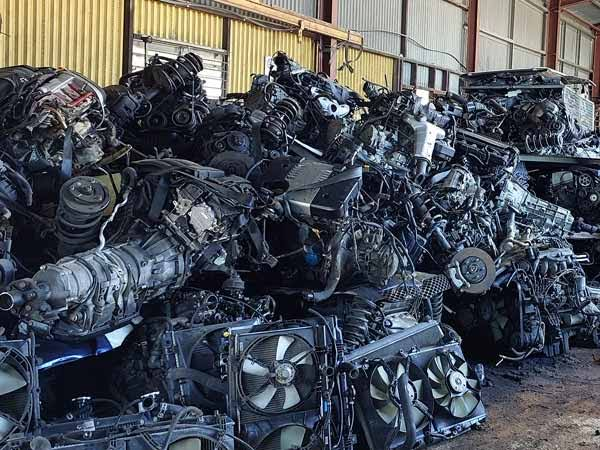
When a vehicle needs repairs, many car owners immediately consider buying brand-new replacement parts. There is another practical and environmentally responsible option: purchasing quality used parts from Ford wreckers. Recycled automotive components can help reduce waste, conserve resources, and extend the useful life of parts that are in good working condition.
Choosing recycled Ford parts is not only an economical decision but can also contribute to a more sustainable automotive industry. From reducing landfill waste to lowering the demand for new manufacturing, buying from Ford wreckers provides several environmental advantages.
The article mentions how buying used parts from Ford wreckers helps the environment by cutting waste, conserving resources, saving energy, and supporting sustainable recycling.
Reducing Automotive Waste
Millions of vehicles reach the end of their road life, creating a significant amount of automotive waste. If usable components are removed before a vehicle is recycled or disposed of, these parts can continue serving other vehicles instead of becoming waste.
Ford wreckers carefully dismantle vehicles and identify components that can be reused. Parts such as engines, transmissions, alternators, starter motors, doors, mirrors, lights, wheels and interior components may have considerable service life remaining.
Purchasing these parts gives them a second life and helps reduce the amount of automotive material sent to landfill or discarded unnecessarily.
Conserving Raw Materials
Manufacturing new automotive parts requires raw materials such as steel, aluminium, copper, plastics and other resources. Extracting and processing these materials requires energy and can place pressure on natural resources.
Reusing an existing component reduces the need to manufacture a completely new replacement. When a suitable used Ford part is available, it can be put back into service without requiring the same level of raw material extraction associated with producing a new component.
This approach supports the principles of the circular economy, where products and materials are kept in use for as long as possible rather than being treated as disposable items.
Lowering Manufacturing Energy Consumption
Producing automotive components involves multiple stages, including mining or sourcing raw materials, processing, manufacturing, transportation, and distribution. Each stage requires energy.
Choosing a recycled part can reduce the demand for new manufacturing. While the exact environmental savings vary depending on the type and condition of the component, reusing existing parts avoids some of the energy-intensive processes associated with manufacturing new ones.
For vehicle owners looking to make more environmentally conscious repair decisions, recycled components can be a practical alternative to purchasing new parts where appropriate.
Extending the Life of Existing Vehicles
Replacing a damaged component does not mean replacing the entire vehicle. A reliable used part can help keep an older Ford on the road for longer.
Extending the life of a vehicle can reduce the need for premature vehicle replacement. Manufacturing a new vehicle requires significant quantities of materials, energy, and resources. Keeping an existing vehicle operational through appropriate repairs can help delay the environmental impact associated with producing another vehicle.
Ford wreckers make this possible by providing access to components from vehicles that may no longer be suitable for road use but contain many usable parts.
Supporting Responsible Vehicle Recycling
Professional Ford wreckers play an important role in the vehicle recycling process. Instead of sending an unwanted vehicle to scrap, wreckers can dismantle it and recover components that still have value.
Usable parts can be inspected, stored, and sold to customers who need replacement components. Materials that cannot be reused can be separated for recycling.
This creates a more responsible process for dealing with end-of-life vehicles and helps maximise the amount of material that can be recovered.
Reducing Demand for New Parts
The automotive aftermarket relies heavily on the production and distribution of replacement parts. When consumers choose used components where suitable, they help create demand for a reuse-based alternative.
This does not mean new parts are always unnecessary. Some repairs require new components, where safety, reliability, or manufacturer specifications make them the most appropriate choice. For many non-critical components, quality recycled parts can provide a viable alternative.
By considering used parts before automatically purchasing new ones, vehicle owners can make repair decisions that are practical and environmentally conscious.
Fewer Resources Used for Packaging and Distribution
New automotive parts are commonly packaged to protect them during storage and transportation. Packaging may include cardboard, plastic, foam, and other materials. New components may also travel through several stages of distribution before reaching the customer.
A locally sourced recycled component may require less packaging and a shorter supply chain, depending on where it comes from and where it is purchased.
Buying from a nearby Ford wrecker can therefore support a more resource-efficient approach to vehicle repairs while also making it easier to find compatible replacement components.
A Practical Step Towards Sustainable Motoring
Environmental responsibility does not always require major lifestyle changes. Small decisions made during vehicle maintenance can also contribute to more sustainable practices.
Choosing recycled Ford parts is one way motorists can reduce waste and make better use of existing resources. Instead of allowing usable components to go to waste, Ford wreckers recover them and make them available for another vehicle.
For drivers repairing an older Ford, checking whether a suitable recycled component is available can be a simple first step before purchasing a brand-new replacement.
Conclusion
Buying parts from Ford wreckers offers more than potential cost savings. It supports vehicle recycling, reduces unnecessary waste, conserves raw materials and gives usable automotive components a second life.
From engines and transmissions to body panels and electrical components, many Ford parts can remain useful long after their original vehicle has reached the end of its service life.
If you need a replacement component for your Ford, consider asking a reputable wrecker about quality used parts. Choosing recycled components where appropriate can help you repair your vehicle while making a more environmentally responsible choice for the future.
 alotri city
  Abhi MuGhAL