
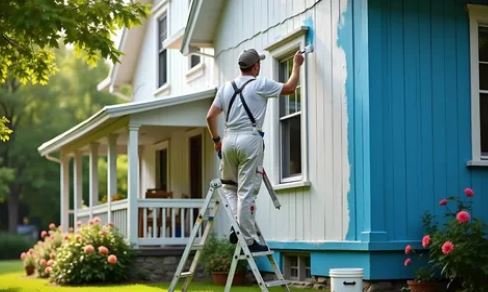
The results of the painting process are the outcome of a number of interwoven parameters which affect the final result of the painting and its lifespan. These include surface conditions, material selection, application technique and environmental stability. In residential situations, achievement is not a chance occurrence, but one that has been carefully prepared and carried out. Understanding these factors helps in decision-making and contributes to overall better outcomes, particularly in assessing the quality of interior painting.
Clear Lake painting techniques usually follow a structured approach so as to provide the same technique on different surfaces. These stages of the process from inspection to final coating have an impact on the performance of paint once it is applied. This means even minor changes in the preparation and tools could be a big difference in the final finish quality.
Furthermore, the planning process is an essential part of keeping the process under control. If each step is correctly positioned, then the results are more predictable and stable. This means homeowners enjoy enhanced surface quality and durability.
Why Surface Preparation Is the Most Critical Factor
Surface preparation can have a significant impact on paint performance and durability. Cleaning, sanding and repair work to provide a stable base for application. Otherwise, it is possible that even the best materials may not function as desired.
In the Clear Lake Painting process, surface preparation is considered as a base phase and is important for the final quality. If the surface is not properly prepared, problems like peeling, uneven texture and reduced durability of paint will eventually emerge.
However, good surface preparation also makes the interior painting job easier in terms of uniform and smooth coverage. Also will lower the chance of any visible defects when drying, resulting in less variability in the end product.
How Cleaning and Repairing Walls Affects Final Results
Old coatings, grease, and dust all have a significant impact on the ability of paint to bond. If the walls are not properly cleaned, paint may not adhere evenly to the wall surface. Likewise, after application, the damaged areas or cracks can cause noticeable flaws. Thus, it is beneficial to ensure that the equipment is properly cleaned and repaired to ensure consistency and to promote better finish quality.
Why Surface Texture Plays a Role in Paint Application
Surface texture influences the way paint absorbs and adheres to surfaces. You can coat smooth surfaces evenly; rough textures might need more layers. Furthermore, uneven surfaces may result in uneven outcomes, affecting the overall visual appeal and uniformity.
How Material Selection Influences Painting Outcomes
The durability and looks are both influenced by the materials used. The results vary depending on the type of paint, the type of tool, the surface to be painted, and the conditions of painting. The selection of material choices can minimize the durability of paint and increase maintenance requirements over time.
Clear Lake Painting takes into consideration the specific condition of the surface and environment to choose appropriate materials. This will give a better hold, better finish, and longer-lasting results.
Different paint finishes, including matte, satin, and gloss, have different functional uses. Likewise, with tool selection as well, consistency and smoothness in application is affected.
What types of paints are used in interior projects
Interior paints are generally categorized into matte, satin, and gloss finishes. Matte provides a non-reflective look, while satin offers balanced shine. Gloss finishes are more durable and easier to clean but may highlight surface imperfections more easily.
How Tools and Equipment Affect Application Quality
Tools such as brushes, rollers, and sprayers significantly influence application results. Brushes offer detailed work, while rollers provide even coverage. Sprayers deliver smooth finishes but require controlled usage. Proper tool selection ensures uniform coating and better surface consistency.
How environmental conditions impact painting outcomes
Drying time, adhesion and final finish quality are greatly affected by environmental conditions. To get good results, the temperature, humidity and air circulation need to be held consistent. The uneven textures or late curing can result from unfavorable conditions.
Clear Lake Painting believes environmental controls are a critical component to consistent and repeatable results. Proper conditions will help to ensure the performance of paint and minimize application inconsistencies.
Why Temperature Control Matters During Painting
Very hot or cold environments may affect the performance of the paint. If the heat is too high, the drying may be too fast, resulting in uneven finishes, and if the heat is too low, the curing may be slow, which lowers the adhesion quality. A stable temperature provides a balanced application and uniformity of results.
How Humidity affects Surface Finishing
Excessive humidity can cause moisture to be trapped in paint layers. This reduces adhesion and slows the drying process. It can produce uneven or unstable surfaces if there is inadequate humidity control, as a result.
Why Application Techniques Affect Final Finish Quality
The application methods can have a significant effect on the surface finish and consistency. Proper techniques will give even coverage, smooth texture, and even layering. Lack of skill often leads to dotted, patchy or inconsistent finishes.
Consistent quality of interior painting is maintained on all surfaces with controlled application methods in Clear Lake Painting. Each layer is done with attention to detail, making for a better appearance and longer-lasting product.
How Layering Techniques Improve Paint Consistency
Applying multiple coats helps improve coverage and strengthens durability. Each layer builds upon the previous one, creating a more uniform and stable finish. This process reduces visible imperfections and enhances long-term performance.
Why Technique Consistency Matters for Smooth Finishes
Inconsistent brush or roller strokes can create uneven textures. Maintaining steady movement ensures smooth application and balanced results. Therefore, consistency plays a key role in achieving professional-quality finishes.
How Project Planning Affects Painting Results
Proper project planning ensures efficient workflow and reduces the risk of errors during application. Scheduling, preparation, and material readiness all contribute to smoother execution.
In Clear Lake Painting, structured planning helps maintain control over each stage of the process. This reduces delays and supports consistent results from start to finish.
Why Timeline Planning Helps Avoid Quality Issues
Rushed timelines often lead to incomplete drying between coats. This can affect finish quality and cause uneven surfaces. Proper timing ensures each stage is completed correctly.
How to Prepare Planning Reduces Unexpected Problems
Advance preparation ensures all tools and materials are ready before work begins. This reduces interruptions and allows the process to continue smoothly without unnecessary delays.
How Maintenance After Painting Impacts Long-Term Results
Maintenance plays an important role in preserving painted surfaces over time. Regular care helps maintain appearance and extends overall paint durability.
In Clear Lake Painting, post-application care is considered essential for long-term performance. Gentle cleaning and periodic inspection help maintain surface quality and prevent early wear.
Why Gentle Cleaning Helps Preserve Painted Surfaces
Harsh cleaning methods can damage paint layers and reduce lifespan. Gentle cleaning helps maintain surface integrity while preserving finish quality over time.
How Regular Maintenance Extends Paint Lifespan
Regular inspection allows early detection of minor issues. Addressing small problems quickly prevents larger damage and supports long-term surface stability.
Conclusion
Several important factors influence the final outcome of any painting project. Surface preparation, material selection, environmental conditions, application techniques, and project planning all play a key role in determining overall quality. When each stage is handled carefully, the result becomes more consistent, durable, and visually balanced. In the case of Clear Lake Painting, understanding these factors helps ensure better surface performance and long-term stability. Additionally, proper maintenance after completion supports extended paint life and improved appearance. Therefore, a structured and informed approach leads to more reliable and lasting painting results without unnecessary issues or early deterioration.
FAQs
What factors have the most impact on the Clear Lake Painting project results?
The main factors include surface preparation, material selection, environmental conditions, application techniques, and project planning. Each element directly affects paint adhesion, durability, and overall finish quality.
Why is surface preparation important before starting a painting project?
Surface preparation is important because it removes dust, repairs damage, and creates a smooth base for paint application. Without proper preparation, issues like peeling, uneven texture, and reduced durability can occur.
How do environmental conditions affect painting quality and durability?
Temperature, humidity, and airflow influence drying time and paint bonding. Unstable conditions may lead to uneven finishes, slow curing, and reduced long-term performance of the painted surface.
What are common mistakes that reduce painting performance?
Common mistakes include skipping surface preparation, using incorrect materials, ignoring environmental conditions, and poor planning. These errors can lead to weak adhesion, fading, and inconsistent surface quality.
 aggiecarpetcleaning
  Ronald Cannon