
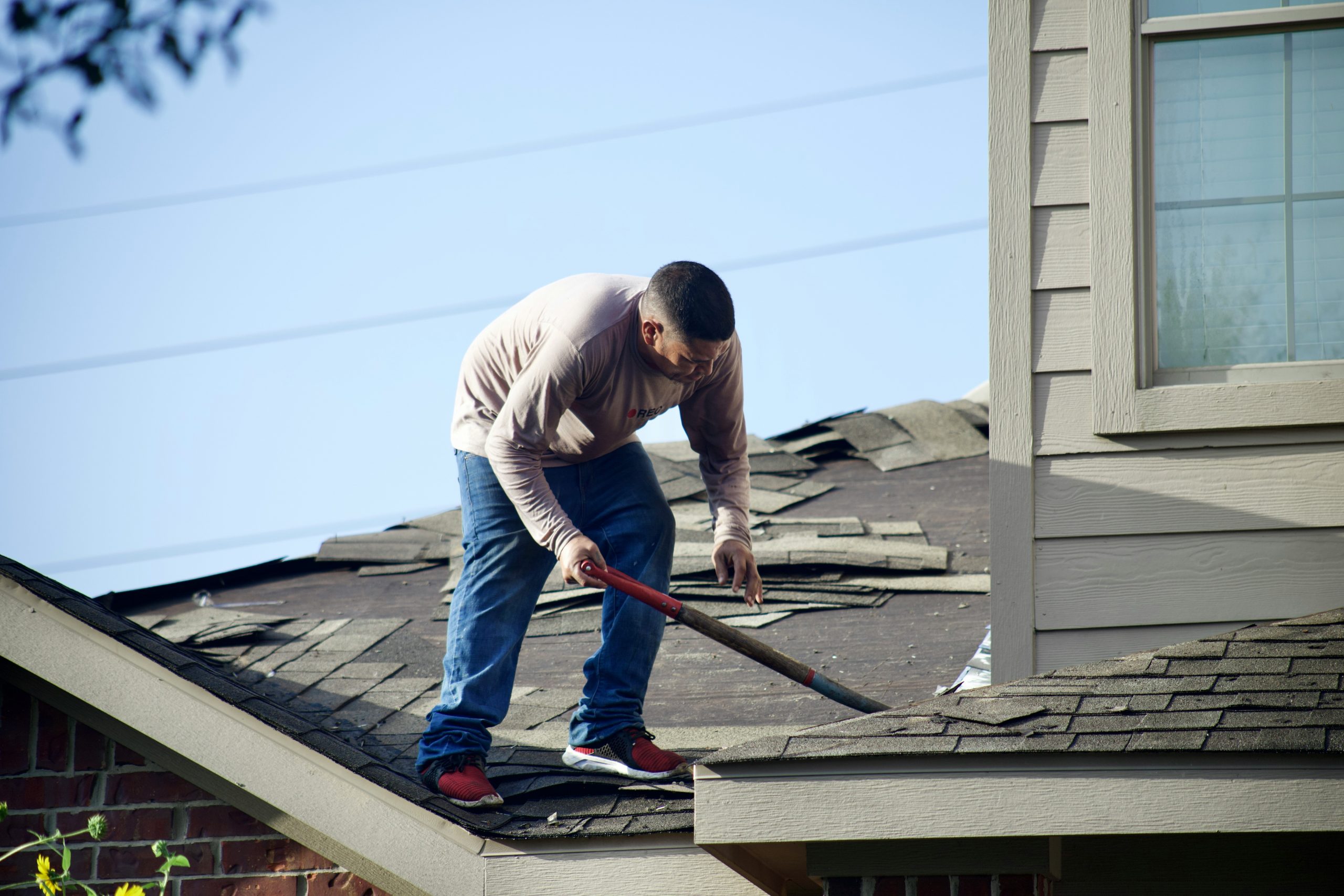
A small roof issue rarely stays small for long. What starts as a minor drip after a heavy rainstorm can quickly turn into stained ceilings, damaged insulation, mold growth, and costly structural repairs. In cities with strong sun exposure, seasonal storms, and fluctuating temperatures, roofs face constant stress throughout the year.
Many homeowners only notice roofing problems after visible damage appears inside the house. By then, moisture may have already traveled through multiple layers of the roofing system. Understanding the warning signs of roof trouble and acting early can help property owners avoid expensive surprises and extend the lifespan of their roofs.
The Hidden Costs of Ignoring Small Roof Problems
One of the biggest mistakes homeowners make is assuming a tiny leak is harmless. Water intrusion has a way of spreading silently behind walls, beneath shingles, and into attic spaces. Even a slow leak can weaken wood framing over time and create conditions where mold thrives.
Roof leaks can also affect energy efficiency. Damaged roofing materials and wet insulation reduce a home’s ability to regulate temperature effectively. This often leads to higher heating and cooling bills, especially during periods of extreme weather.
Common consequences of delayed repairs include:
- Interior ceiling and drywall damage
- Mold and mildew growth
- Rotting wood structures
- Increased utility costs
- Damaged attic insulation
- Electrical hazards from water exposure
- Reduced property value
The longer a leak remains undetected, the more extensive the repairs typically become.
Common Causes of Roof Leaks
Roof leaks can happen for many reasons, and not all of them are obvious from the ground. While aging roofs naturally become more vulnerable over time, newer roofs can also develop problems due to installation issues or storm damage.
Some of the most common causes include:
Damaged or Missing Shingles
Strong winds, prolonged sun exposure, and heavy rainfall can weaken shingles over time. Cracked, curled, or missing shingles leave underlying materials exposed to moisture.
Flashing Failures
Flashing is used around chimneys, vents, skylights, and roof valleys to prevent water penetration. If flashing becomes loose, rusted, or improperly sealed, leaks can form quickly.
Clogged Gutters
When gutters become blocked with leaves and debris, water may back up under roofing materials instead of draining away properly.
Poor Ventilation
Improper attic ventilation can trap heat and moisture beneath the roof, accelerating material deterioration and increasing the likelihood of leaks.
Aging Roofing Materials
Even high-quality roofing systems eventually wear down. Sealants dry out, underlayment weakens, and roofing materials lose their protective capabilities after years of exposure.
Warning Signs Homeowners Should Never Ignore
Roof leaks are not always dramatic. In many cases, the signs are subtle at first. Paying attention to early indicators can prevent a minor issue from escalating into major damage.
Watch for these warning signs:
- Water stains on ceilings or walls
- Peeling paint near the roofline
- Musty odors in attic spaces
- Sagging drywall
- Missing shingles
- Granules collecting in gutters
- Dripping sounds during storms
- Visible mold growth
- Unexpected increases in energy bills
It is also important to inspect the attic after major storms. Sometimes leaks begin in areas that are not immediately visible inside living spaces.
Why Professional Inspections Make a Difference
Many roofing problems are difficult to spot without proper training. Water often travels away from the original entry point, making leaks harder to trace accurately. Professional inspections can identify hidden vulnerabilities before they become severe.
Experienced roofing specialists typically evaluate:
- Shingle condition
- Flashing integrity
- Roof ventilation
- Drainage systems
- Structural weak points
- Moisture intrusion
- Underlayment condition
For homeowners looking to better understand common roofing concerns and inspection considerations,roof leak detection in Los Angeles can provide additional context about identifying potential issues before they worsen.
Routine inspections are especially valuable after severe weather events or when a roof reaches the later stages of its expected lifespan.
Weather Conditions That Accelerate Roof Damage
Climate plays a major role in roofing performance. Constant UV exposure can dry out roofing materials and cause cracking over time. Seasonal storms bring heavy rainfall and wind that may loosen shingles or expose weak areas.
Temperature fluctuations can also create expansion and contraction cycles that stress roofing systems repeatedly. Over time, these changes weaken seals and increase the risk of leaks.
Homes located in areas with occasional high winds may experience lifted shingles even after a single storm. In some cases, damage remains unnoticed until the next rainstorm reveals the problem indoors.
Preventive Maintenance Can Extend Roof Life
Many roofing emergencies are preventable with regular maintenance. A proactive approach helps identify small issues before they become expensive repairs.
Homeowners can reduce roofing risks by:
Keeping Gutters Clean
Proper drainage prevents standing water and reduces strain on roofing materials.
Trimming Overhanging Branches
Tree branches can scrape roofing surfaces and deposit debris that traps moisture.
Scheduling Periodic Inspections
Routine evaluations help identify hidden wear and developing problems early.
Addressing Minor Repairs Promptly
Replacing damaged shingles or resealing flashing early is usually far less expensive than repairing widespread water damage later.
Monitoring Attic Conditions
Proper attic ventilation and moisture control contribute to overall roof health.
Preventive maintenance not only protects the home but may also help preserve warranty coverage and improve long-term property value.
Choosing the Right Time to Act
One reason roof issues often worsen is that homeowners wait too long before scheduling an inspection. Some delay action because the leak appears minor or intermittent. Others hope the problem will resolve on its own after a storm passes.
Unfortunately, roofing damage rarely improves without intervention. Water intrusion typically expands over time, especially when hidden beneath roofing layers.
The best time to address a roof leak is when it first appears — or ideally before visible symptoms develop at all. Early detection minimizes repair costs, reduces disruption, and protects the overall structure of the home.
Conclusion
Roof leaks are more than temporary inconveniences. Left untreated, they can create widespread structural, financial, and health-related concerns for homeowners. The challenge is that many roofing problems begin quietly, with only subtle warning signs appearing at first.
Understanding the common causes of leaks, recognizing early symptoms, and prioritizing routine inspections can help homeowners stay ahead of serious damage. Preventive maintenance and timely repairs remain some of the most effective ways to protect a home’s long-term condition and value.
By taking roof health seriously before visible damage spreads, homeowners can avoid many of the expensive complications associated with delayed repairs.
 Vanessa Empire Interiors
  jhonsmithdenver
  nuhorizonremodelers