
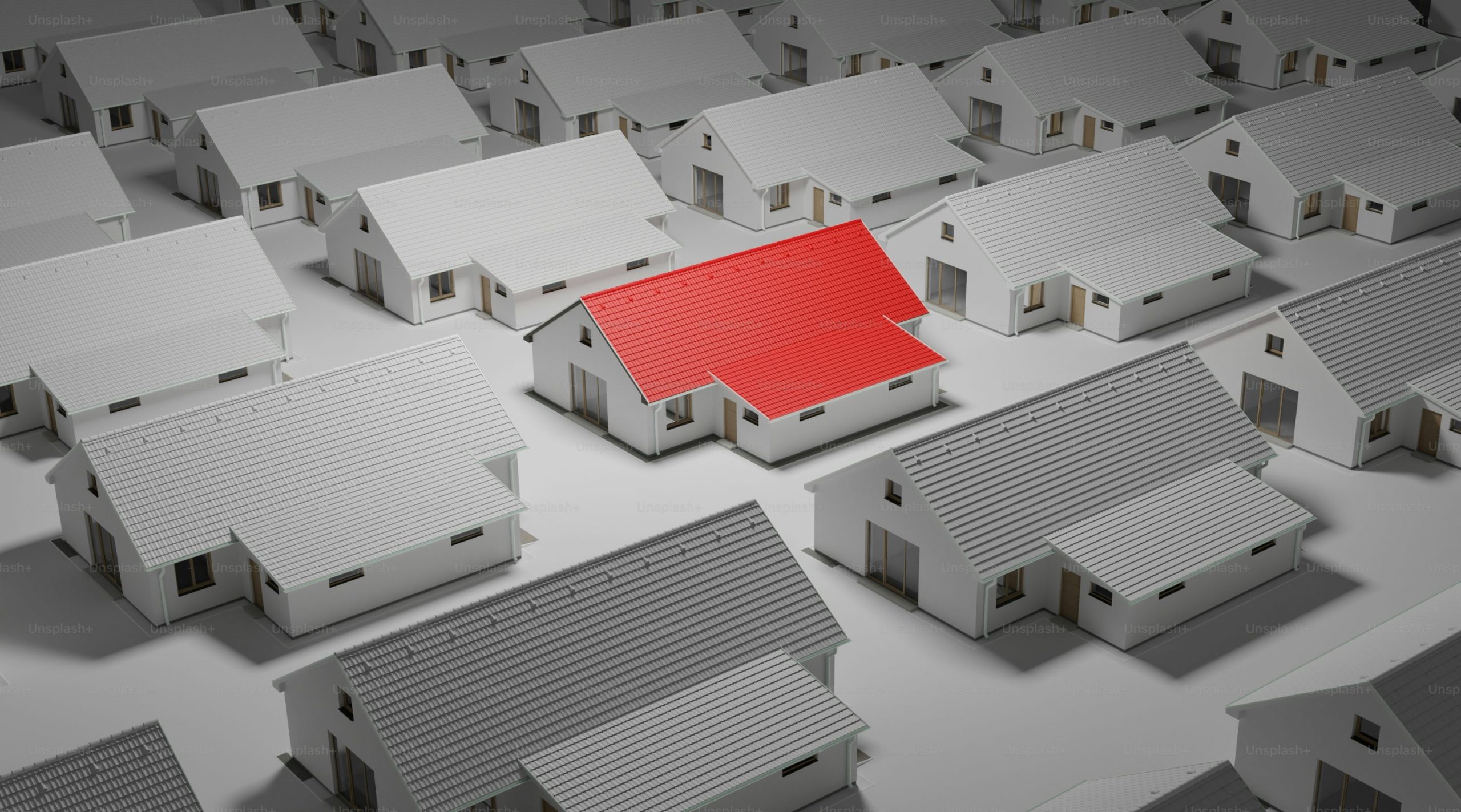
 It’s easy to forget about your roof—until something goes wrong. A small leak, a missing shingle, or a faint water stain might not seem urgent at first, but these seemingly minor issues can quickly escalate into costly problems. The truth is, your roof quietly protects your entire home, and neglecting it can have far-reaching consequences.
Understanding the risks of inaction—and the value of timely intervention—can help homeowners make smarter decisions that protect both their property and their finances.
Why Roof Neglect Becomes Expensive Fast
Roof damage rarely stays contained. What starts as a small issue often spreads beneath the surface, affecting insulation, ceilings, walls, and even your home’s structural integrity.
Here’s how costs can spiral:
- Water intrusioncan lead to mold and mildew growth
- Damaged insulationreduces energy efficiency
- Structural wood rotweakens your home’s framework
- Interior repairsadd unexpected expenses
By the time visible signs appear indoors, the underlying damage is often already significant.
Early Warning Signs You Shouldn’t Ignore
Many homeowners miss the subtle signs of roofing trouble. Catching these early can make the difference between a quick fix and a full replacement.
Common Red Flags:
- Dark spots or streaks on ceilings
- Curling, cracked, or missing shingles
- Granules collecting in gutters
- Sagging areas on the roof
- Unexplained increases in energy bills
Regular visual inspections—both inside and outside your home—can help you spot these issues before they worsen.
The Role of Weather in Roof Deterioration
Your roof is constantly exposed to the elements, and over time, even durable materials wear down. Different weather conditions contribute to different types of damage:
- Heavy raincan exploit weak points and cause leaks
- High windsmay lift or remove shingles
- Extreme heatcan cause materials to crack or warp
- Humiditypromotes mold and algae growth
If you live in an area with fluctuating weather patterns, routine maintenance becomes even more critical.
Repair vs. Replacement: Making the Right Call
One of the most common dilemmas homeowners face is whether to repair or replace their roof. The answer depends on several factors, including the extent of damage, the age of the roof, and long-term cost considerations.
When Repairs Make Sense:
- Damage is localized
- Roof is relatively new
- No underlying structural issues
When Replacement Is the Better Option:
- Roof is nearing the end of its lifespan
- Multiple problem areas exist
- Repairs are becoming frequent and costly
A professional evaluation can provide clarity and help you avoid spending money on temporary fixes that won’t last.
Choosing a Contractor You Can Trust
The quality of your roofing project depends heavily on the contractor you choose. A skilled professional doesn’t just fix visible issues—they assess the entire system to ensure long-term performance.
When evaluating your options, consider:
- Experience with similar projects
- Clear and detailed estimates
- Willingness to explain materials and processes
- Strong customer feedback and references
For those looking to better understand what a dependable service provider offers,Ideal Roofing and Exteriors contractor provides a useful example of how expertise and attention to detail come together in roofing projects.
Preventative Maintenance: Your Best Investment
Preventative care is one of the most effective ways to extend the life of your roof and avoid costly repairs. It doesn’t require major effort, but it does require consistency.
Simple Maintenance Checklist:
- Inspect your roof twice a year
- Clean gutters and downspouts regularly
- Remove debris such as leaves and branches
- Check flashing around vents and chimneys
- Schedule professional inspections when needed
These small steps can significantly reduce the risk of major damage over time.
Energy Efficiency and Your Roof
Your roof plays a crucial role in regulating your home’s temperature. Poor insulation or ventilation can cause heat to build up in the attic, forcing your HVAC system to work harder.
Upgrading your roofing system or addressing ventilation issues can lead to:
- Lower energy bills
- Improved indoor comfort
- Reduced environmental impact
This makes roofing improvements not just a structural decision, but an energy-conscious one as well.
Planning Ahead for Long-Term Value
Waiting until a roofing emergency occurs often leads to rushed decisions and higher costs. Planning ahead allows you to budget properly, explore material options, and choose a contractor without pressure.
When thinking long-term, consider:
- The lifespan of different roofing materials
- Warranty coverage
- Maintenance requirements
- Climate compatibility
Taking a proactive approach ensures that your investment pays off over time.
Conclusion
Ignoring your roof may seem harmless in the short term, but it can lead to serious and expensive consequences. By staying alert to early warning signs, investing in regular maintenance, and working with experienced professionals, homeowners can avoid unnecessary stress and financial strain.
Your roof is more than just a protective layer—it’s a critical system that supports the safety, efficiency, and value of your home. Making informed decisions today will help ensure that it continues to do its job for years to come.
 technological.sturgeon.ojcm@hidingpost.com
  acadiastairs
  Purcell heating