
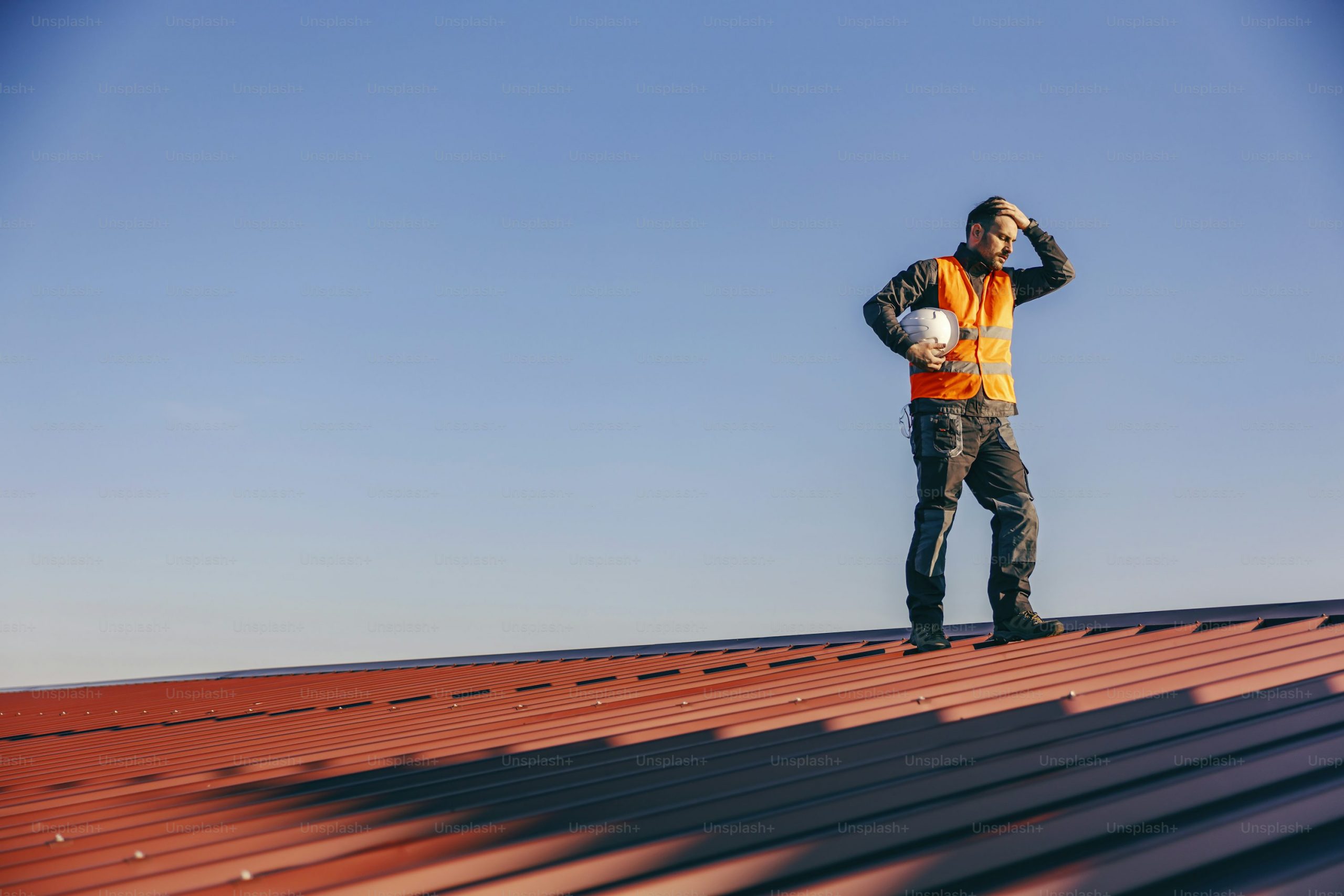
A roof upgrade is one of the most important investments a homeowner can make. Whether you’re dealing with storm damage, an aging structure, or simply improving your home’s value, the process begins with understanding the scope and cost of the project. Yet many homeowners jump into decisions without a clear estimate—often leading to budget surprises and avoidable stress.
Getting a detailed, accurate roofing estimate isn’t just about numbers. It’s about clarity, planning, and confidence in the work ahead. Here’s how to approach the process the right way.
Why a Roofing Estimate Matters More Than You Think
A roofing estimate sets the foundation for your entire project. It outlines materials, labor, timelines, and potential challenges. Without it, you’re essentially making decisions in the dark.
A reliable estimate helps you:
- Understand the full cost of your project
- Compare contractors fairly
- Identify potential problem areas early
- Plan your budget with confidence
More importantly, it gives you a roadmap so there are fewer surprises once work begins.
What Should Be Included in a Detailed Estimate?
Not all estimates are created equal. Some contractors provide vague numbers, while others offer a comprehensive breakdown. Knowing what to look for ensures you’re getting real value.
Key Components of a Strong Estimate
- Material Costs: Type, quality, and quantity of roofing materials
- Labor Charges: Installation, removal, and cleanup
- Project Timeline: Start date and expected completion
- Warranty Information: Coverage for materials and workmanship
- Additional Costs: Permits, inspections, or unexpected repairs
A transparent estimate reflects professionalism and reduces the risk of hidden fees later.
Common Mistakes Homeowners Make
Even with the best intentions, homeowners often make avoidable errors during the estimation phase.
Pitfalls to Avoid
- Choosing the lowest bid without reviewing details
- Ignoring warranty terms
- Overlooking contractor credentials
- Failing to ask questions about unclear items
A low estimate may seem appealing, but it can sometimes signal shortcuts in materials or workmanship.
The Role of Inspections Before Estimation
Before any estimate is provided, a proper roof inspection is essential. This step allows contractors to assess the current condition and identify underlying issues.
What Inspectors Look For
- Structural integrity of the roof deck
- Signs of water damage or leaks
- Ventilation and insulation conditions
- Wear and tear on existing materials
Skipping this step can lead to inaccurate estimates and unexpected costs once the project is underway.
Comparing Estimates the Smart Way
If you’re gathering multiple estimates, it’s important to compare them carefully—not just by price.
What to Evaluate
- Scope of work included
- Quality of materials
- Timeline differences
- Warranty coverage
Look for consistency. If one estimate is significantly lower or higher than the others, dig deeper to understand why.
Why Local Knowledge Matters in Roofing Estimates
Roofing needs can vary significantly depending on location. Climate, weather patterns, and local building codes all influence what your roof requires.
For example, homes in warmer regions may need materials that reflect heat, while areas prone to storms require enhanced durability. Working with professionals who understand these local factors ensures your estimate reflects real-world conditions—not generic assumptions.
If you’re exploring your options and want a clearer picture of what your project might involve, consider starting with a free roof estimate in San Antonio to better understand pricing, materials, and timelines tailored to your area.
How to Prepare Before Requesting an Estimate
A little preparation can go a long way in making the estimation process smoother and more accurate.
Steps to Take
- Know Your Roof’s Age: This helps determine whether repair or replacement is more likely
- Identify Problem Areas: Note leaks, stains, or visible damage
- Set a Budget Range: Have a rough idea of what you’re willing to invest
- List Your Priorities: Durability, aesthetics, or energy efficiency
Being prepared allows contractors to provide more precise and relevant estimates.
The Long-Term Value of a Thoughtful Estimate
An estimate isn’t just about immediate costs—it’s about long-term value. A well-planned roofing project can:
- Increase your home’s resale value
- Improve energy efficiency
- Reduce maintenance and repair expenses
- Enhance overall safety and comfort
Investing time in understanding your estimate ensures you’re making a decision that benefits you for years to come.
Final Thoughts
A roofing project is too important to approach without proper planning. The estimate you receive sets the tone for everything that follows—from budgeting to execution.
By focusing on transparency, thorough inspections, and informed comparisons, you can avoid common pitfalls and move forward with confidence. Taking that first step toward a clear, detailed estimate isn’t just smart—it’s essential for protecting your home and your investment.
 technological.sturgeon.ojcm@hidingpost.com
  acadiastairs
  Purcell heating