
Pharmaceutical products are not like regular consumer goods. They are directly connected to health, safety, and sometimes life-saving treatment. Because of this, packaging in the medical industry carries far more responsibility than simple product presentation.
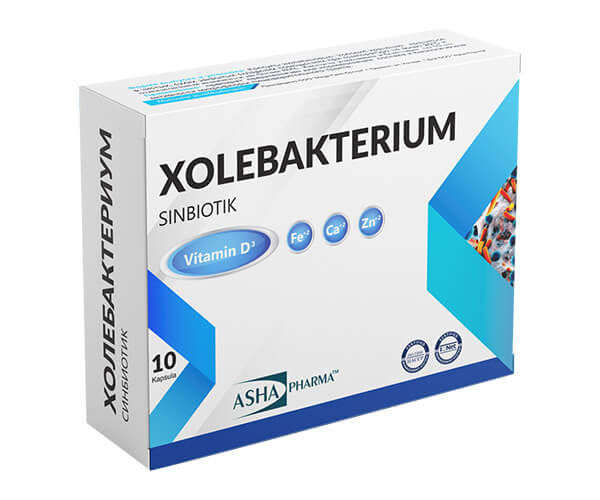
Custom pharmaceutical packaging is critical because it ensures safety, compliance, clarity, and trust. It protects sensitive products while also helping patients and healthcare professionals use them correctly.
Packaging as a Safety Requirement, Not Just Design
In the medical field, packaging is part of the product itself. A small error in labeling or protection can lead to serious consequences.
Custom packaging helps ensure:
- Safe handling of medicines and medical products
- Protection from contamination or damage
- Accurate dosage and usage instructions
- Secure storage and transport conditions
Safety is the first priority, not an option.
Ensuring Regulatory Compliance
The pharmaceutical industry is heavily regulated. Every product must meet strict packaging and labeling standards before it reaches the market.
Custom packaging supports compliance by:
- Providing space for mandatory medical information
- Displaying batch numbers and expiry dates clearly
- Including dosage instructions and warnings
- Following government and health authority guidelines
This ensures products are legally approved and safe for use.
Protecting Sensitive Medical Products
Many pharmaceutical products are sensitive to light, heat, and moisture. Without proper packaging, their effectiveness can be reduced.
Custom pharmaceutical packaging helps by:
- Using protective and durable materials
- Blocking light exposure when needed
- Adding moisture-resistant layers
- Maintaining product stability during transport
This preserves product quality from manufacturing to usage.
Improving Patient Safety and Understanding
Clear communication is essential in healthcare. Patients need to understand how and when to take medications correctly.
Custom packaging improves understanding by:
- Using simple and readable text layouts
- Highlighting dosage instructions clearly
- Including warning symbols and icons
- Organizing information in structured sections
Better clarity reduces the risk of misuse.
Building Trust in Pharmaceutical Brands
Trust is extremely important in the medical industry. Patients and healthcare professionals rely on packaging to judge product credibility.
help build trust by:
- Maintaining a clean and professional appearance
- Using consistent branding across products
- Avoiding unnecessary or confusing design elements
- Presenting accurate and transparent information
A trustworthy appearance supports stronger brand reputation.
Supporting Different Medical Product Types
Pharmaceutical packaging is used for a wide range of products, each with specific requirements.
It is commonly used for:
- Prescription medicines
- Over-the-counter drugs
- Vitamins and dietary supplements
- Medical devices and healthcare kits
Each category requires tailored packaging solutions.
Preventing Counterfeiting and Tampering
Counterfeit medicines are a serious global issue. Packaging plays a key role in preventing fraud and ensuring product authenticity.
Custom packaging can include:
- Tamper-evident seals
- Security labels and holograms
- Unique batch tracking codes
- Serialized packaging systems
These features help protect both patients and brands.
Enhancing Supply Chain Efficiency
Pharmaceutical products move through complex supply chains. Packaging must support storage, transport, and distribution without issues.
Custom packaging improves efficiency by:
- Allowing easy stacking and storage
- Reducing damage during transit
- Supporting clear labeling for logistics
- Streamlining warehouse organization
Efficient packaging reduces operational risks.
Supporting Eco-Friendly Medical Packaging
Sustainability is becoming more important even in the healthcare industry. Many companies are adopting greener packaging solutions.
Eco-friendly options include:
- Recyclable cardboard materials
- Reduced plastic usage
- Minimalist packaging designs
- Biodegradable components where possible
This helps reduce environmental impact while maintaining safety standards.
Final Thoughts
Custom pharmaceutical packaging is critical in the medical industry because it goes far beyond design. It ensures safety, compliance, protection, and clear communication.
From protecting sensitive medicines to building patient trust, packaging plays a direct role in healthcare outcomes. In an industry where precision matters, there is no room for compromise.
For pharmaceutical brands, investing in high-quality custom packaging is not just a business decision. It is a responsibility.
 saadurrehman
  Jack Thomson
  marianjures