
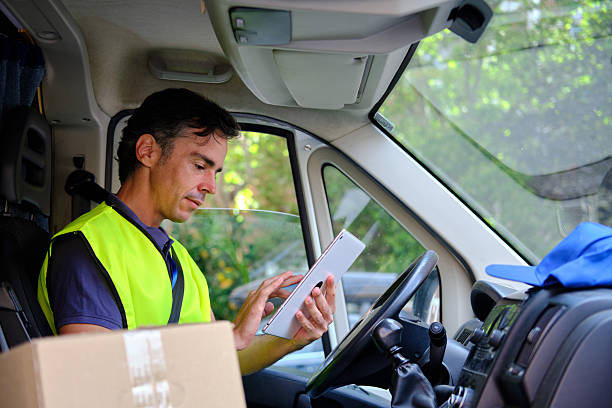
The pickup and delivery industry has transformed the way people shop, order food, send packages, and access everyday services. Customers now expect fast, reliable, and hassle-free delivery experiences from businesses of all sizes. Whether they order groceries, medicines, restaurant meals, or retail products, they want complete control over the entire delivery process through a simple mobile application.
For businesses, a pickup and delivery app does more than simplify logistics. It helps streamline operations, improve customer satisfaction, increase repeat purchases, and create new revenue opportunities. However, building a successful pickup and delivery app requires much more than an attractive interface. Every feature should improve convenience, efficiency, transparency, and communication for customers, delivery personnel, and business administrators.
In today’s competitive market, users quickly abandon apps that offer poor navigation, delayed deliveries, or limited payment options. Businesses must therefore focus on features that enhance the complete delivery experience from order placement to final delivery confirmation.
This blog explores the essential features every successful pickup and delivery app should include to deliver exceptional customer experiences while improving operational efficiency.
Why Pickup and Delivery Apps Continue to Grow
Businesses across industries have adopted pickup and delivery applications because consumer expectations continue to evolve. Customers value convenience more than ever before. Instead of visiting physical stores, they prefer placing orders through mobile apps and receiving products at their doorstep.
A well-designed pickup and delivery app enables businesses to:
- Improve customer convenience
- Increase operational efficiency
- Reduce manual errors
- Track deliveries in real time
- Enhance customer loyalty
- Expand service coverage
- Improve communication between all stakeholders
To achieve these benefits, businesses must prioritize the right features during app development.
Essential Features for Customers
The customer experience determines whether users continue using the app. The following features help create a smooth and enjoyable ordering process.
Simple User Registration
The registration process should remain quick and straightforward. Customers should create accounts using:
- Mobile number
- Email address
- Google account
- Apple ID
- Social media login
Businesses should also support guest checkout for first-time users who prefer not to register immediately.
Easy-to-Use Interface
A clean interface allows users to complete orders without confusion.
The app should provide:
- Clear navigation
- Organized categories
- Large buttons
- Fast loading screens
- Minimal steps to complete an order
A user-friendly interface reduces cart abandonment and improves overall customer satisfaction.
Smart Search and Filters
Customers should quickly find products or services without scrolling through endless lists.
Useful search features include:
- Keyword search
- Category filters
- Price filters
- Location filters
- Popular items
- Recent searches
Advanced filtering saves time and improves user engagement.
Real-Time Order Tracking
Order tracking has become one of the most valuable delivery app features.
Customers appreciate knowing:
- Order confirmation
- Pickup status
- Driver assignment
- Current driver location
- Estimated arrival time
- Delivery completion
GPS-powered tracking increases transparency while reducing customer anxiety.
Multiple Payment Options
Different customers prefer different payment methods.
A successful pickup and delivery app should support:
- Credit cards
- Debit cards
- Digital wallets
- UPI payments
- Net banking
- Cash on delivery
- Buy Now Pay Later options
Flexible payment methods improve conversion rates and customer convenience.
Secure Payment Gateway
Security remains essential for every online transaction.
The payment system should include:
- Data encryption
- Fraud protection
- Secure authentication
- PCI-compliant payment processing
Customers trust businesses that prioritize payment security.
Order Scheduling
Many customers prefer deliveries at specific times.
Order scheduling allows users to:
- Select delivery dates
- Choose preferred time slots
- Schedule recurring deliveries
- Plan future orders
This feature improves convenience while helping businesses optimize delivery planning.
Push Notifications
Timely notifications keep customers informed throughout the delivery process.
Notifications should include:
- Order confirmation
- Payment confirmation
- Driver assignment
- Pickup updates
- Delivery progress
- Promotional offers
- Discounts
- Delivery completion
Relevant notifications improve customer engagement.
Ratings and Reviews
Customer feedback helps businesses maintain service quality.
Users should rate:
- Delivery personnel
- Product quality
- Overall service
- Delivery speed
Reviews also help future customers make informed decisions.
Essential Features for Delivery Drivers
Delivery personnel play a critical role in maintaining efficient operations. Providing them with the right tools improves productivity and delivery speed.
Driver Registration
Drivers should complete registration through a secure verification process.
The system should verify:
- Identity documents
- Driving license
- Vehicle details
- Contact information
Verification helps maintain service quality and customer safety.
Delivery Request Management
Drivers should receive delivery requests instantly.
The app should allow them to:
- Accept requests
- Reject requests
- View delivery details
- Contact customers
- Start navigation
Quick request management reduces delays.
GPS Navigation
Integrated GPS navigation improves delivery efficiency.
Navigation should provide:
- Fastest routes
- Traffic updates
- Alternative routes
- Turn-by-turn directions
Efficient navigation reduces fuel costs and delivery times.
Earnings Dashboard
Drivers appreciate complete visibility into their earnings.
The dashboard should display:
- Daily earnings
- Weekly earnings
- Monthly income
- Completed deliveries
- Incentives
- Bonuses
Transparent earnings motivate better performance.
Availability Management
Drivers should easily switch between:
- Online
- Offline
- Busy
Availability controls help businesses assign deliveries more effectively.
Essential Features for Business Administrators
The admin panel controls the entire delivery ecosystem.
Centralized Dashboard
A powerful dashboard provides complete operational visibility.
Administrators should monitor:
- Orders
- Drivers
- Customers
- Revenue
- Delivery performance
- Business growth
Real-time analytics support faster decision-making.
Order Management
The admin panel should simplify order processing.
Administrators should:
- View incoming orders
- Assign drivers
- Track deliveries
- Cancel orders
- Process refunds
- Manage completed deliveries
Efficient order management reduces operational errors.
Customer Management
Businesses should maintain organized customer records.
The admin panel should include:
- Customer profiles
- Order history
- Contact details
- Support requests
- Loyalty information
Better customer management improves personalized service.
Driver Management
Administrators should efficiently manage delivery personnel.
Features should include:
- Driver verification
- Performance monitoring
- Route tracking
- Earnings management
- Availability tracking
These tools improve workforce efficiency.
Analytics and Reporting
Business decisions should rely on accurate data.
Reports should include:
- Revenue reports
- Delivery performance
- Customer retention
- Driver efficiency
- Peak ordering hours
- Popular products
Data-driven insights support long-term growth.
Advanced Features That Improve User Experience
Modern pickup and delivery apps often include advanced features that provide a competitive advantage.
AI-Based Route Optimization
Artificial intelligence analyzes traffic conditions, weather, and road closures to recommend the fastest delivery routes.
Benefits include:
- Faster deliveries
- Lower fuel consumption
- Reduced delivery costs
- Higher driver productivity
Live Chat Support
Customers occasionally require immediate assistance.
Live chat enables quick communication with:
- Customer support
- Delivery drivers
- Store representatives
Instant communication improves customer satisfaction.
In-App Calling
The app should enable secure communication without revealing personal phone numbers.
This feature protects customer privacy while improving delivery coordination.
Contactless Delivery
Many customers now prefer contactless deliveries.
Drivers can:
- Leave packages at designated locations
- Upload delivery photos
- Confirm successful deliveries digitally
This option increases customer convenience and safety.
Delivery Proof
Proof of delivery reduces disputes.
Delivery confirmation may include:
- Digital signatures
- Photo confirmation
- OTP verification
- Timestamp
- GPS location
Businesses gain stronger accountability throughout the delivery process.
Loyalty Programs
Reward programs encourage repeat purchases.
Customers can earn:
- Reward points
- Cashback
- Exclusive discounts
- Free deliveries
- Referral bonuses
Loyalty programs significantly improve customer retention.
Multi-Language Support
Businesses serving diverse regions should support multiple languages.
Language options improve accessibility while expanding the customer base.
Multi-Vendor Support
Marketplace businesses often work with multiple sellers.
Multi-vendor functionality enables:
- Independent vendor management
- Individual inventory control
- Vendor-specific orders
- Separate payouts
This feature supports business scalability.
Inventory Management
Real-time inventory updates prevent customers from ordering unavailable products.
Inventory features should include:
- Stock monitoring
- Low-stock alerts
- Automatic updates
- Product availability
Accurate inventory reduces order cancellations.
Delivery Time Estimation
Customers appreciate realistic delivery expectations.
Estimated delivery time should consider:
- Traffic conditions
- Driver location
- Order preparation time
- Distance
Accurate estimates improve customer trust.
Security Features Every Pickup and Delivery App Needs
Security protects both businesses and customers.
Important security features include:
User Authentication
Strong authentication methods include:
- OTP verification
- Two-factor authentication
- Biometric login
- Email verification
These methods reduce unauthorized access.
Data Encryption
Encryption protects:
- Personal information
- Payment details
- Login credentials
- Transaction history
Strong encryption ensures customer privacy.
Role-Based Access Control
Different users require different permissions.
Separate access should exist for:
- Customers
- Drivers
- Vendors
- Administrators
Role-based access minimizes security risks.
Performance Features That Improve App Success
Performance directly affects user retention.
Businesses should focus on:
Fast Loading Speed
Users expect pages to load within seconds.
Optimized code and efficient servers improve app responsiveness.
Offline Functionality
Some app features should continue working with limited internet connectivity.
Examples include:
- Saved addresses
- Previous orders
- Navigation cache
Offline support enhances reliability.
Scalability
Businesses should prepare for future growth.
A scalable app handles:
- More users
- More orders
- Additional delivery partners
- Multiple cities
- Higher transaction volumes
Scalable architecture prevents performance issues during business expansion.
Benefits of Including These Features
Adding the right features creates value for every stakeholder.
Businesses benefit through:
- Increased operational efficiency
- Higher customer retention
- Better revenue growth
- Reduced delivery costs
- Improved brand reputation
Customers enjoy:
- Faster deliveries
- Secure payments
- Better communication
- Real-time tracking
- Personalized experiences
Drivers benefit from:
- Optimized routes
- Better earnings visibility
- Efficient delivery management
- Improved work flexibility
Future Trends in Pickup and Delivery Apps
Technology continues to shape the future of delivery applications.
Emerging innovations include:
- Artificial intelligence for demand forecasting
- Predictive delivery scheduling
- Voice-enabled ordering
- Drone delivery integration
- Autonomous vehicle support
- Hyperlocal delivery networks
- Machine learning-based route optimization
- Advanced customer personalization
- Eco-friendly delivery management
- Blockchain-powered transaction security
Businesses that adopt these technologies early can improve efficiency and strengthen their competitive position.
Conclusion
A successful pickup and delivery app combines convenience, efficiency, transparency, and security into a seamless digital experience. Customers expect more than simple order placement—they want real-time tracking, flexible payments, quick communication, and reliable deliveries. At the same time, delivery personnel need intuitive tools that simplify navigation, manage requests, and track earnings, while administrators require robust dashboards to oversee operations and make informed decisions.
By integrating essential features such as user-friendly navigation, live order tracking, secure payment gateways, intelligent route optimization, delivery proof, analytics, and scalable infrastructure, businesses can build a pickup and delivery platform that meets modern customer expectations and supports long-term growth.
As technology evolves, incorporating AI-driven automation, predictive analytics, contactless delivery, and personalized experiences will further enhance app performance and customer satisfaction. Investing in the right features from the outset not only improves operational efficiency but also helps businesses stay competitive in the rapidly expanding on-demand delivery market. A thoughtfully designed pickup and delivery app ultimately becomes a powerful tool for driving customer loyalty, increasing revenue, and ensuring sustainable business success.
 bpifarnorthcoast@gmail.com
  thedesertstar
  thomas joeethan