

Key Takeaways
- Accurate medical documentation is essential for effective healthcare delivery.
- EHRs centralize patient information, enabling real-time updates and better communication.
- Voice recognition technology increases documentation efficiency by allowing dictation.
Accurate medical recording forms the foundation of effective health care, thus providing accurate, timely, and accessible patient information. Among the challenges that plague accurate records is time coupled with vast amounts of data. Moreover, there is medical terminology, which introduces complexity into a record documenting process.
Such issues thus cause errors that injure patients and disrupt coordinated care. Thankfully, the evolution in technology is important to facilitate further accuracy in documentation. Various electronic health records, voice recognition systems, and document management solutions allow providers to evolve their process of documentation and reduce the opportunities for documentation errors to occur.
Role of Electronic Health Records (EHRs)
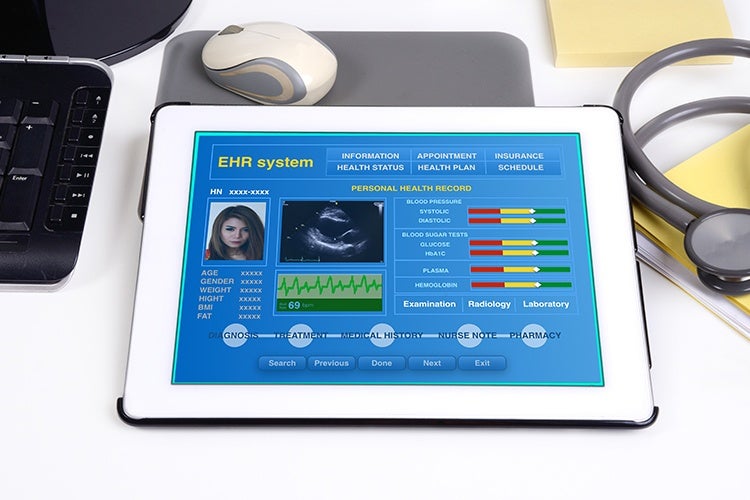
Electronic Health Records, often shortened as EHRs, refer to digitally formatted versions of patients’ paper charts. They have in-depth medical history and clinical data stored for these patients. EHRs were designed to benefit from the health information interchange among different healthcare settings.
The system enables authorized providers of healthcare across settings to access information about patients whenever necessary and keep such information up to date. The basic objective of EHRs is to enhance the quality of care through the provision of a well-rounded and accurate perspective of the health of a patient, providing access to the same data to all caregivers involved in decision-making.
Benefits of EHRs
Integrated Information Management: EHRs make the storage of information of patients in one place, therefore eliminating the use of several paper records and their respective places. This, therefore, means healthcare providers can quickly have access to and evaluate the full history of a patient’s medical history from diagnosis, medication, lab tests, and treatment plans.
That is, all the information about a patient can be accessed from one place, hence avoiding information loss or fragmentation and, therefore, more coordinated proper care for the patient.
Immediate Updates and Accessibility: Another significant advantage of EHRs is that it can work in real-time. The changes or updates occurring through the new information input by the healthcare providers will be reflected in the system immediately, hence all members of the team are working on the latest information.
Therefore, this improves the process of decision-making as they would rapidly determine changes in a patient’s condition and act in response. Apart from this, EHRs can be accessed and edited using various devices, hence any registered user of the system can retrieve any information at any time and at any place because of the evolution in the delivery of care.
Better Communication Between Caregivers: EHRs facilitate effective communication between caregivers. Communication is enhanced because EHRs let providers smoothly communicate with one another, as services for messaging and alert services are mostly available in EHRs in regard to critical patient updates.
This increased level of communication reduces miscommunication chances and ensures that all members of the healthcare team are on the same page about the approach to caring for the patient. EHRs also include tools for referrals and care transitions that aid in the smooth workflow and safety of the patients.
Voice Recognition Technology
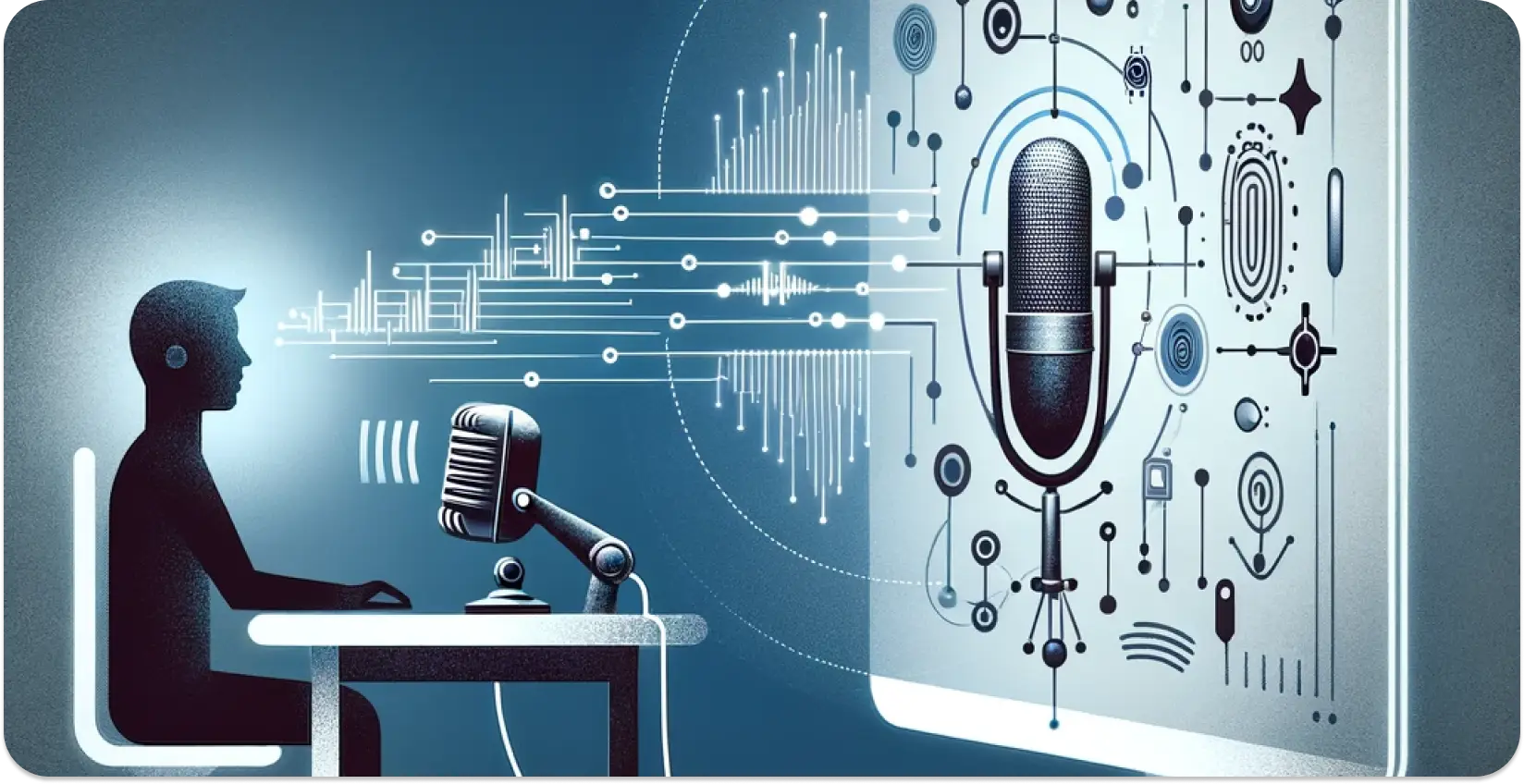
Another big boon that voice recognition technology has been serving is in the whole documentation process in medical science where doctors can record and update the data of patients just by giving voice commands. Such systems use very complex algorithms and artificial intelligence to translate voice into text with utmost accuracy.
Voice recognition can therefore be seamlessly integrated into electronic health records (EHRs) within a clinical environment, allowing providers to dictate directly into the patient’s chart.
Advantages of Voice-to-Text Technology
Efficiency, of course, is one of the significant benefits that voice-to-text technology can bring about. Traditional methods of documentation, through either manual typing or even handwriting, are relatively slow, especially when working under pressure like that in a hospital or clinic.
Voice recognition speeds up documentation time since it gives healthcare providers the flexibility to say out loud what they think and what they see.
In addition to efficiency, medical record accuracy is improved through voice recognition technology. The major cause of transcription errors is manual entry which causes communication breakdowns and may result in harmful effects to the patient.
The possibility of such risks is reduced by voice-to-text systems since they capture the clinician’s intent correctly, thus reducing the likelihood of typographical errors. More voice recognition applications have a dictionary and contextual understanding facility built within them, which reduces the likelihood of wrong transcription of complex terminologies.
AI in Medical Documentation

The voice of change is AI, and in medicine, it supports the goal of accuracy with greater efficiency and innovative solutions. Machine learning algorithms and natural language processing, for example, reduce time spent on redundant tasks, shifting most administrative burdens away from healthcare providers, and so now by assuring that every document will be right and complete, AI lets specialists focus more on patients.
In other words, NLP focuses on analyzing clinical notes for any type of error while working with computer interaction and human language. Algorithms identify missing information, that for vital signs, and provide potential corrections through strict adherence to medical guidelines. With real-time detection of possible errors, it enhances the quality of the medical record, which enables providers to enhance focus on patient care.
AI Predictive analytics can forecast the amount of required documentation by detecting patterns and generating historical data. Documentation prep can be done before patient care is delivered to reduce the delay in the treatment process. For instance, reminders for follow-up visits ensure teams are adequately prepared with all the needed documents, and thus better-informed decisions are made.
Training and Education
Healthcare professionals must continue to be educated on new technologies as the face of healthcare continues to change. It will allow for the ability to deliver correct information within patient care by ensuring competency in electronic health records and voice recognition. This prevents data entry errors from occurring, ensuring that any errors possible have been minimized regarding the safety of the patients and the quality of their care.
Best practices in medical records are refreshed through regular workshops, including effective note-taking and error avoidance. Updates on regulatory change are also covered as a part of the workshops. All this is so that the latest standards and requirements can be seen to their update and knowledge by the staff across.
Hands-on training and real-world scenarios serve as a learning vessel to let the staff and students understand those concepts and work through the more realistic practices in a friendly environment.
Sum Up
Technology has been a significant factor in improving the accuracy of medical record and solving the natural issues arising with such professionals. Through EHR implementation, voice recognition, artificial intelligence, and mobile applications, providers will be able to streamline the processes for managing patients, efficiency will be promoted, and errors decreased.
Moreover, intense training and open communication ensure that staff are up to date on the proper use of these technologies. With the ever-changing healthcare horizon, embracing such changes is important to better patient care, betterment in decision-making, and a safer and more efficient healthcare environment.
 Dasscom
  tech.emizen
  adam smith