
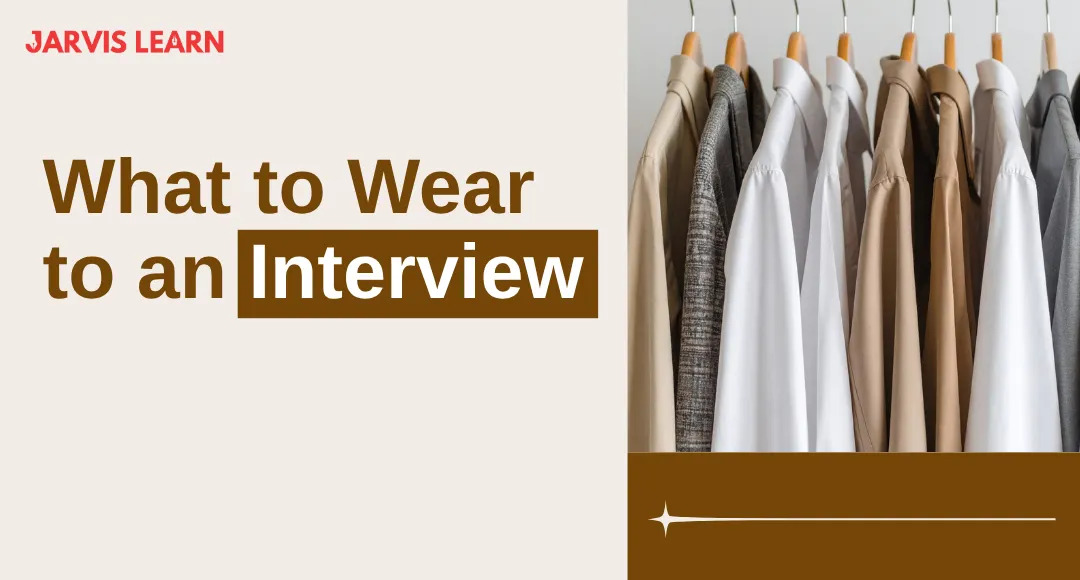
Walking into a job interview wearing a structured three-piece suit to a modern tech startup can make an applicant look as out of place as showing up to a corporate law firm in a hoodie. Research reveals that nearly 65% of hiring managers consider candidate wardrobe a decisive factor when evaluating two equally qualified individuals. In modern hiring, visual presentation is an unspoken test of cultural alignment yet candidates frequently struggle to decode what an organization actually expects.
Failing to read the visual room creates immediate friction before a candidate even speaks. Career experts note the “10-second rule,” where recruiters form a subconscious opinion of an applicant long before reviewing their resume line by line. Guessing blindly leads to pre-interview fatigue and visual dissonance. To remove this ambiguity, candidates can review expert frameworks like What To Wear to An Interview on platforms like Jarvislearn to align their presentation with modern standards.
The Evolution of the Professional Spectrum
Navigating contemporary workplace expectations requires shifting away from generic rules and recognizing three core real-world categories:
-
Smart Casual (Startups, Tech, Creative Agencies): The objective here is relaxed intentionality. Dark, unwashed indigo or black denim without distressing works well when paired with a crisp crewneck t-shirt, a tailored blazer, and spotless leather sneakers.
-
Business Casual (Marketing, Healthcare, Education): Standard across much of the corporate landscape, this category balances approachability with polish. Key pieces include tailored chinos, knee-length skirts, tucked-in button-downs, and polished loafers or closed-toe flats.
-
Business Formal (Finance, Law, Executive Roles): Traditional environments demand structured authority. Expect dark, matching two-piece suits in navy or charcoal, conservative ties, and classic leather dress shoes.
Auditing Company Culture Before Day One
Determining where an employer falls on this spectrum does not require guesswork. Job seekers can gather actionable intelligence directly from official company channels:
-
Social Media Sweeps: Review recent team photos on LinkedIn or Instagram to assess everyday office norms and celebratory event attire.
-
About Us Page Analysis: Candid images of current employees at their desks offer an authentic baseline of daily expectations.
-
Direct Recruiter Inquiries: Reaching out to the scheduling contact or checking insights on Jarvislearn resources ensures exact alignment with company norms without friction.
Color Psychology and Visual Strategy
Once the category is clear, color choice subtly reinforces professional intent. Hiring managers frequently cite navy blue as the strongest choice, as it naturally signals trust, reliability, and stability. Black projects authority and executive presence, making it ideal for high-level management, while neutral grays and subtle earth tones build an approachable, balanced impression.
Navigating the Final Selection
Selecting the right attire is ultimately an exercise in eliminating distractions so your qualifications remain the focus. By researching company culture upfront and matching the organization’s specific dress code tier, you project immediate professional competency.
For additional career development insights and job search strategies, explore resources at Jarvislearn.
 InstaaCoders Technologies
 lisawebb723
 dejanjewelry