
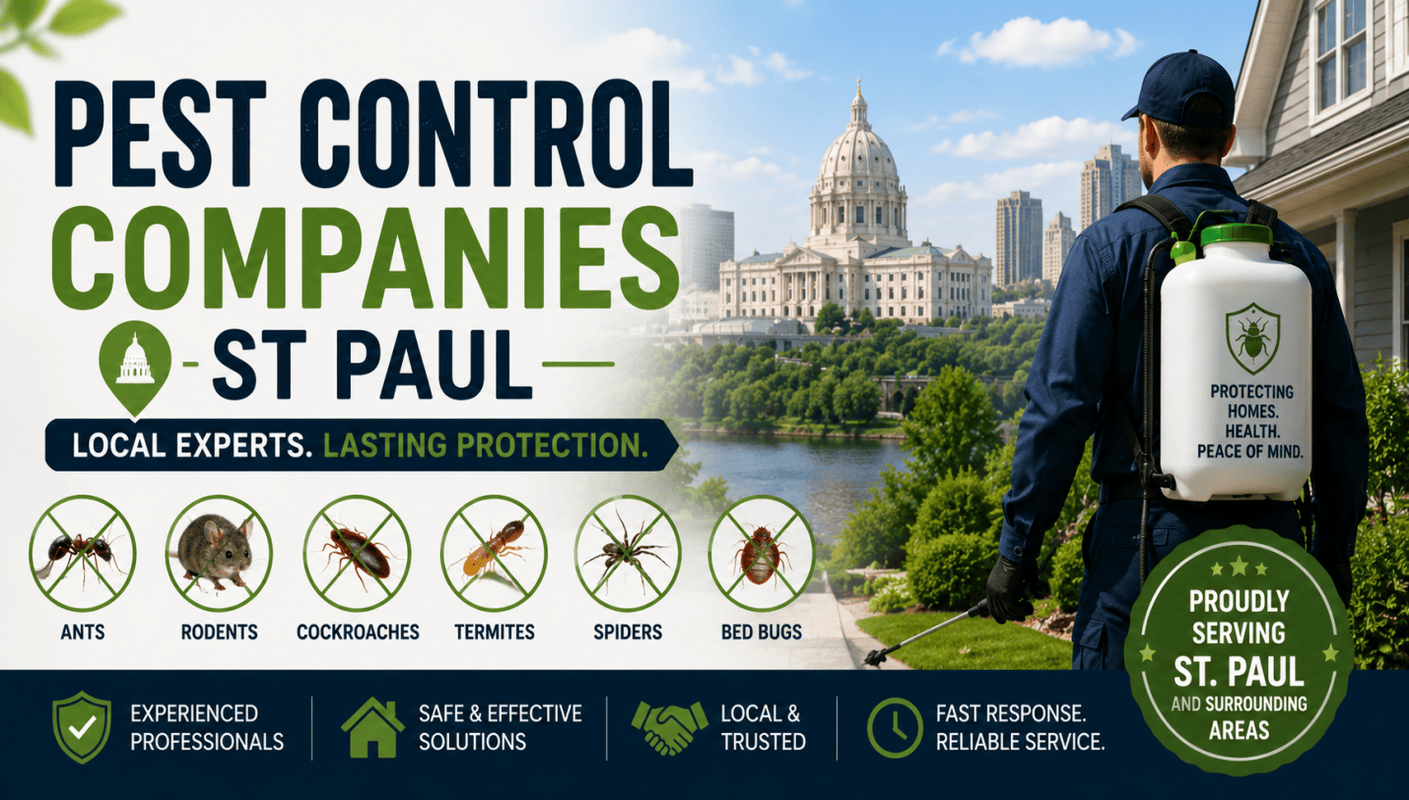
Pests can cause significant problems for homeowners, from damaging property to creating health and sanitation concerns. When facing an infestation, choosing the right service provider is one of the most important decisions you can make. Many homeowners begin researching pest control companies St Paul residents trust, but selecting the best company requires more than simply choosing the first option that appears online. Asking the right questions before hiring a pest control professional can help ensure effective treatment, fair pricing, and long-term protection for your home.
Not all pest control providers offer the same level of experience, service quality, or treatment methods. Taking the time to evaluate your options can save you money and prevent future pest problems. Here are the most important questions to ask before hiring a pest control company in St. Paul.
1. What Types of Pests Do You Specialize In?
Different pest control companies may specialize in different types of infestations. Some focus primarily on general household pests such as ants, spiders, and cockroaches, while others offer expertise in handling more complex issues like termites, bed bugs, rodents, or wildlife.
Ask the company:
- Which pests do you commonly treat?
- Do you have experience with my specific pest problem?
- What treatment methods do you recommend?
Choosing a company with direct experience in addressing your specific infestation can improve treatment effectiveness and reduce the risk of recurring issues.
2. Are You Licensed and Insured?
One of the first things homeowners should verify is whether the company is properly licensed and insured.
A reputable pest control company should have:
- Required state licensing
- Liability insurance
- Worker protection coverage
- Compliance with local regulations
Licensing demonstrates that technicians have received appropriate training and understand safe pesticide application practices. Insurance helps protect both the homeowner and service provider in the event of accidents or property damage.
3. How Much Experience Do You Have?
Experience matters when it comes to identifying pest activity, selecting treatment methods, and preventing future infestations.
Ask questions such as:
- How long have you been in business?
- How many similar infestations have you treated?
- Do your technicians receive ongoing training?
Experienced professionals are often better equipped to identify hidden infestations and recommend long-term solutions tailored to your property.
4. What Treatment Methods Do You Use?
Not all pest control treatments are the same. Different pests require different approaches, and treatment methods can vary significantly between providers.
Ask the company to explain:
- Their treatment process
- Products they use
- Integrated pest management strategies
- Preventive measures offered
Understanding the treatment plan helps homeowners make informed decisions and know what to expect throughout the process.
5. Are Your Treatments Safe for Children and Pets?
Many families are concerned about the safety of pest control products used inside their homes.
Before hiring a company, ask:
- Are treatments safe for children?
- Are products pet-friendly?
- Will we need to leave the home during treatment?
- What precautions should we take?
A reputable provider should clearly explain safety procedures and provide instructions to ensure the well-being of all household members.
6. Do You Offer a Detailed Inspection?
A thorough inspection is often the foundation of effective pest management.
Before recommending treatment, a professional should evaluate:
- Areas of infestation
- Entry points
- Structural vulnerabilities
- Moisture issues
- Environmental conditions
Ask whether the company conducts a comprehensive inspection before developing a treatment plan. A detailed assessment can reveal underlying causes that contribute to recurring pest problems.
7. What Is Included in the Estimate?
Pricing can vary significantly depending on the pest type, property size, and severity of the infestation.
Before agreeing to service, request a detailed estimate that outlines:
- Inspection fees
- Treatment costs
- Follow-up visits
- Monitoring services
- Additional charges
Understanding exactly what is included helps avoid unexpected expenses later.
8. Do You Provide Written Service Agreements?
A written agreement protects both the homeowner and the service provider.
The agreement should clearly outline:
- Scope of work
- Treatment schedule
- Pricing structure
- Warranty details
- Service expectations
Avoid companies that are unwilling to provide clear documentation of their services.
9. Do You Offer Guarantees or Warranties?
Many professional pest control companies stand behind their work with service guarantees or warranties.
Ask questions such as:
- What happens if pests return?
- Are retreatments included?
- How long does the guarantee last?
A company that offers a strong warranty demonstrates confidence in its treatment methods and commitment to customer satisfaction.
10. What Preventive Services Do You Recommend?
Eliminating pests is only part of the solution. Long-term prevention is equally important.
Ask the company about:
- Ongoing maintenance programs
- Seasonal treatments
- Exclusion services
- Pest monitoring plans
Preventive services can help homeowners avoid future infestations and reduce long-term pest control expenses.
11. Can You Provide References or Reviews?
Customer feedback offers valuable insight into a company’s reliability and service quality.
Consider asking for:
- Client references
- Online reviews
- Testimonials
- Case studies
Positive feedback from previous customers can help build confidence in your decision.
Pay attention to comments regarding:
- Professionalism
- Communication
- Treatment effectiveness
- Responsiveness
- Customer service
Consistent positive experiences are often a good indicator of a trustworthy company.
12. How Quickly Can You Respond?
Certain pest problems require immediate attention. Rodents, bed bugs, termites, and stinging insects can become more difficult to manage when treatment is delayed.
Ask about:
- Appointment availability
- Emergency services
- Response times
- Follow-up scheduling
Prompt service can prevent infestations from spreading and minimize damage to your property.
13. Do You Offer Customized Treatment Plans?
Every property is different, and effective pest control often requires a customized approach.
A quality provider should consider factors such as:
- Property size
- Pest species
- Infestation severity
- Environmental conditions
- Homeowner preferences
Avoid companies that offer one-size-fits-all solutions without conducting a proper assessment.
Why Choosing the Right Pest Control Company Matters
Hiring the right pest control provider can make a significant difference in treatment success and long-term results.
Benefits of working with a reputable company include:
- Accurate pest identification
- Effective treatment plans
- Reduced risk of recurring infestations
- Improved property protection
- Greater peace of mind
While price is an important consideration, the lowest-cost option is not always the best value. Quality service, expertise, and preventive solutions often deliver better long-term outcomes.
Red Flags to Watch For
As you evaluate pest control companies, be cautious of warning signs such as:
- Lack of licensing or insurance
- Vague pricing information
- High-pressure sales tactics
- No written agreements
- Unrealistic promises of immediate results
Professional pest control providers should be transparent, knowledgeable, and willing to answer your questions thoroughly.
Conclusion
Choosing a pest control company in St. Paul is an important decision that can affect the safety, comfort, and value of your home. By asking the right questions about licensing, experience, treatment methods, safety practices, warranties, and preventive services, homeowners can make informed choices and avoid costly mistakes.
Taking the time to research and compare providers ensures you select a company capable of delivering effective pest management solutions and long-term protection. With the right partner, you can address current infestations while reducing the risk of future pest problems, keeping your home safe and pest-free throughout the year.
 namratam813@gmail.com
  desksergo desksergo
  backyardlivingcoseo@gmail.com