
Precision machining depends on more than just the quality of the cutting tool. The way a tool is held during machining can significantly affect accuracy, surface finish, tool life, and overall productivity. Even a high-performance cutting tool may not deliver the expected results if it is not securely positioned and supported. This is where SCHUNK grip tool holders can play an important role in modern machining operations.
Tool holders provide the connection between the machine spindle and the cutting tool, helping maintain the required positioning and stability throughout the machining process. Along with reliable tool holding, effective coolant delivery is also essential for controlling heat and removing chips. Coolant tubes can support this process by directing coolant toward the cutting zone, helping create more consistent machining conditions.
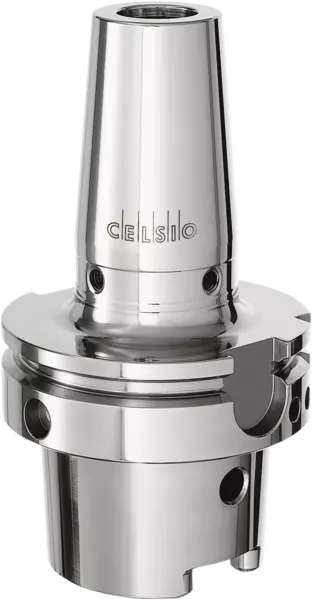
What Are Grip Tool Holders?
Grip tool holders are components designed to securely hold cutting tools while they are being used in machining operations. They must withstand cutting forces, rotational speeds, vibration, and repeated tool changes while maintaining accurate tool positioning.
A dependable tool holder should provide strong gripping force while minimizing tool runout. Excessive runout can cause uneven cutting, poor surface finishes, premature tool wear, and dimensional inaccuracies. For this reason, manufacturers often pay close attention to the type and quality of tooling systems used on their CNC machines.
SCHUNK grip tool holders are designed for applications where secure tool holding and reliable machining performance are important. SCHUNK’s expertise in gripping and workholding technology makes its tooling solutions suitable for a variety of industrial machining requirements.
Why Tool Holding Matters in CNC Machining
During a machining operation, the cutting tool is exposed to considerable mechanical forces. If the tool holder cannot maintain sufficient gripping force, the tool may move slightly inside the holder. Although the movement may be very small, it can negatively affect machining accuracy.
A stable tool holder helps maintain the tool’s position relative to the workpiece. This can contribute to better dimensional consistency and surface quality. It can also reduce unwanted vibration, which is particularly important when machining at higher speeds or working with difficult materials.
Good tool holding can also improve productivity. When tools remain securely positioned, machines can operate with greater consistency, while operators can spend less time dealing with tool-related problems or correcting machining defects.
Key Benefits of SCHUNK Grip Tool Holders
Choosing the right tool holder can influence several aspects of the machining process. Some of the important advantages associated with high-quality gripping systems include improved stability, repeatability, and operational reliability.
Secure Tool Clamping
A strong clamping mechanism helps keep the cutting tool securely positioned during machining. This is particularly valuable when cutting forces are high or when machining operations involve demanding cutting conditions.
Improved Accuracy
Tool positioning has a direct relationship with machining accuracy. A properly designed holder can help minimize unwanted tool movement and runout, supporting more consistent results across repeated machining cycles.
Reduced Vibration
Vibration can affect surface finish, tool life, and machining performance. A rigid and stable tool-holding arrangement can help control unwanted movement and provide smoother cutting conditions.
Better Tool Life
Tool wear can accelerate when cutting conditions are unstable. By supporting secure and consistent tool positioning, an effective holder can contribute to more controlled cutting and potentially extend tool service life.
Support for Automated Production
Modern CNC production often involves automatic tool changes and high-volume machining. Reliable tool holders are therefore important for maintaining repeatable performance as tools are changed between machining operations.
The Role of Coolant in Machining
Tool holding is only one part of achieving efficient machining. Heat generated during cutting can affect both the cutting tool and the workpiece. Excessive heat may accelerate tool wear, influence dimensional accuracy, and reduce the quality of the finished surface.
Coolant helps manage these conditions by carrying heat away from the cutting area. Depending on the machining process, coolant can also assist in lubricating the cutting interface and flushing chips away from the workpiece.
For coolant to be effective, it needs to reach the appropriate area of the machining operation. This is where coolant tubes and other coolant-delivery components can become useful.
How Coolant Tubes Support Machining Operations
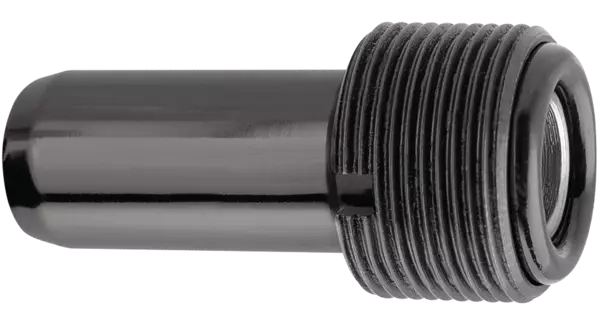
Coolant tubes are designed to help direct coolant toward a specific area of the machining process. Proper coolant positioning can improve cooling and chip evacuation, particularly when the cutting zone is difficult to reach with a general coolant stream.
The positioning and direction of coolant delivery can be adjusted according to the tool, workpiece, and machining application. When coolant reaches the cutting edge effectively, it can help control temperatures and maintain more stable cutting conditions.
For operations involving high-speed cutting, deep machining, or materials that generate significant heat, efficient coolant delivery can become especially important. Combining effective coolant management with stable tool holding can therefore create a more controlled machining environment.
Combining Tool Holding and Coolant Delivery
Tool holders and coolant systems perform different functions, but they contribute to the same overall goal: reliable and efficient machining.
A stable tool holder keeps the cutting tool accurately positioned, while coolant delivery helps control heat and remove chips from the cutting zone. If either area is poorly managed, machining performance may suffer.
For example, even if coolant is delivered effectively, excessive tool vibration can still produce poor surface finishes. Similarly, a highly stable tool holder cannot prevent thermal problems if coolant does not reach the cutting area effectively.
For this reason, machining setups should be evaluated as complete systems rather than focusing on individual components alone.
Factors to Consider When Choosing a Tool Holder
Before selecting a tool holder, manufacturers should consider the specific requirements of their machining applications. Important factors may include spindle type, tool dimensions, machining speed, required gripping force, cutting conditions, and the type of material being machined.
The required level of accuracy should also be considered. High-precision applications may require tooling solutions capable of maintaining very low runout and consistent tool positioning.
Production requirements are another consideration. Facilities using automated machining centers may benefit from holders designed to work effectively with automatic tool-changing systems.
Coolant requirements should also be evaluated. The machining process, tool geometry, and workpiece material can influence how coolant needs to be delivered. Selecting suitable coolant tubes can help ensure that coolant reaches the cutting area where it is needed.
Applications of SCHUNK Grip Tool Holders
Grip tool holders can be used across a wide range of industrial machining applications. CNC milling, drilling, metalworking, automotive component production, aerospace manufacturing, and general precision engineering are examples of areas where dependable tool holding is important.
The exact holder configuration depends on the machine and machining operation. Production environments that require repeated tool changes and consistent machining results can particularly benefit from reliable tooling solutions.
SCHUNK offers technologies designed to address different industrial gripping, workholding, and automation requirements, allowing manufacturers to select solutions based on their specific production needs.
Maintaining Tool Holding Performance
Even high-quality tooling requires appropriate maintenance. Tool holders should be inspected regularly for signs of wear, contamination, or damage. Chips and debris should be removed before they interfere with tool seating or clamping.
Operators should also follow the manufacturer’s recommended procedures for cleaning, inspection, and handling. Correct installation is equally important because improper tool seating can affect runout and gripping performance.
Coolant systems should receive similar attention. Coolant tubes should be kept clean and correctly positioned so that coolant can reach the intended cutting area. Blockages or incorrect positioning can reduce the effectiveness of coolant delivery.
Regular inspection of both tooling and coolant components can help prevent avoidable machining problems and maintain consistent production performance.
Conclusion
Reliable machining requires a combination of accurate tool positioning, strong gripping, effective cooling, and proper maintenance. SCHUNK grip tool holders can help manufacturers achieve secure and stable tool holding, supporting accuracy, repeatability, and dependable machining performance. At the same time, properly positioned coolant tubes can improve coolant delivery and help manage heat and chips during cutting.
For manufacturers looking to improve their machining setup, selecting components from an experienced industrial technology provider can make an important difference. SCHUNK provides a broad range of gripping, workholding, and automation technologies developed for demanding industrial applications. By choosing suitable SCHUNK solutions and integrating them correctly into the machining process, manufacturers can build more stable, efficient, and productive operations.
 Dasscom
  tech.emizen
  adam smith