
Your roof does more than keep the rain out. It protects your home’s structure, insulation, and interior from heat, wind, and moisture. In areas like Calhoun County and Clarendon County, SC, where humidity, heavy rains, and occasional storms are common, roofing systems face constant stress.
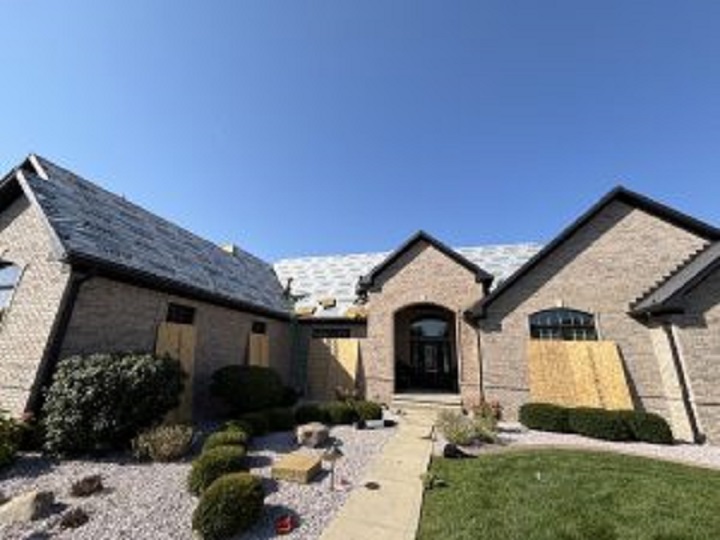 Finding the right roofing contractor in Columbia, SC homeowners can trust is not just about price. It is about understanding how roofing systems work, what quality installation looks like, and how to avoid costly mistakes. This guide explains what residential property owners should know before repairing or replacing a roof.
Understanding How Residential Roofing Systems Work
A roof is a layered system designed to work together. Many homeowners only see the shingles, but the protective structure underneath matters just as much.
A typical residential roof includes:
- Roof decking, usually plywood or OSB
- Underlayment, which acts as a moisture barrier
- Flashing around chimneys, vents, and valleys
- Shingles or other surface materials
- Ventilation systems to manage heat and moisture
When one component fails, it can affect the entire system. For example, poor ventilation can trap heat in the attic. Over time, that heat can warp shingles, raise energy bills, and reduce the lifespan of the roof.
A qualified roofing contractor Columbia, SC residents work with should evaluate the entire system, not just visible damage. Proper inspections consider attic airflow, flashing integrity, and structural soundness, especially in older homes throughout Calhoun and Clarendon Counties.
Why Local Climate Matters in Roofing Decisions
South Carolina’s climate plays a major role in roof performance. High humidity can encourage mold growth under shingles. Intense summer heat can accelerate material wear. Heavy rain can expose weak flashing or aging underlayment.
Wind resistance is also critical. Even if a storm does not produce extreme damage, repeated gusts can loosen shingles over time. This slow deterioration often goes unnoticed until a leak appears inside the home.
Material selection should reflect these realities. Asphalt shingles remain common because they balance cost and durability, but architectural shingles typically perform better in high-wind areas. Metal roofing offers strong wind resistance and longevity, though it comes with a higher upfront cost.
Understanding these tradeoffs helps homeowners make informed decisions rather than simply choosing the lowest estimate.
What Professional Roof Installation or Repair Involves
Many homeowners are surprised by how detailed a proper roofing project should be. Quality work involves more than removing old shingles and installing new ones.
A thorough process typically includes:
- Full inspection of decking and structural integrity
- Replacement of damaged wood
- Installation of new underlayment
- Proper flashing around penetrations
- Careful shingle alignment and fastening
- Cleanup and debris removal
Safety standards also matter. Roofing is physically demanding and involves fall risks. Contractors should use proper safety equipment and follow building codes specific to South Carolina.
In Calhoun County and Clarendon County, permitting requirements may vary slightly depending on local regulations. A knowledgeable roofing contractor, Columbia, SC property owners rely on should understand these codes and ensure compliance.
It is also worth noting that not every roof needs a full replacement. Minor leaks or isolated damage may be resolved with targeted repairs. An honest evaluation will distinguish between cosmetic wear and structural failure.
Real-World Scenario: A Storm-Damaged Roof in Clarendon County
Consider a homeowner in Clarendon County who notices water stains on the ceiling after a heavy rainstorm. At first glance, it may seem like a small leak. However, upon inspection, the issue traces back to damaged flashing near a vent pipe that loosened during high winds.
The homeowner might assume the entire roof needs replacing. In reality, if the shingles are still within their lifespan and the decking is intact, a focused repair may be sufficient.
This is where a careful inspection makes a difference. Some local providers, such as Complete Roofing System SC, emphasize evaluating the full roofing system before recommending major work. In situations like this, replacing flashing and resealing the area can resolve the problem without the expense of full replacement.
The key lesson is that visible symptoms do not always reflect the scale of the underlying issue. Professional diagnosis prevents unnecessary costs.
Common Mistakes and Misconceptions
Homeowners often approach roofing decisions with understandable assumptions. However, some common misconceptions can lead to poor outcomes.
Mistake 1: Choosing based only on price
The lowest bid may not include proper underlayment, flashing replacement, or disposal fees. Comparing detailed written estimates is essential.
Mistake 2: Ignoring ventilation
A new roof without adequate attic ventilation can shorten material lifespan and increase cooling costs.
Mistake 3: Delaying small repairs
Minor leaks can turn into structural damage if left unresolved. Moisture can spread beneath shingles and rot decking.
Mistake 4: Assuming all shingles are the same
Shingle thickness, wind rating, and warranty terms vary significantly.
Mistake 5: Skipping written documentation
Clear contracts protect both homeowners and contractors. They outline scope, materials, timelines, and responsibilities.
Understanding these pitfalls helps homeowners make careful, informed choices.
Practical Advice for Choosing the Right Contractor
Selecting a roofing contractor Columbia, SC residents feel confident about requires thoughtful evaluation.
Here are practical steps:
Verify licensing and insurance
Ensure the contractor carries liability insurance and workers’ compensation coverage. This protects homeowners from unexpected liability.
Request detailed written estimates
A proper estimate should list materials, labor, removal, underlayment, flashing work, and timeline.
Ask about the inspection process
A thorough roof inspection includes attic evaluation when possible.
Review local experience
Contractors familiar with Calhoun County and Clarendon County conditions understand regional weather patterns and building codes.
Check references and reviews
Consistent feedback about punctuality, communication, and workmanship can provide insight.
Understand warranty coverage
There are usually two warranties: manufacturer coverage for materials and workmanship coverage from the contractor. Know what each includes.
A careful selection process may take time, but roofing projects are long-term investments. A properly installed roof can last 20 to 30 years or more, depending on materials and maintenance.
Frequently Asked Questions
- How long does a typical roof last in South Carolina?
Most asphalt shingle roofs last 20 to 30 years, depending on material quality, ventilation, and weather exposure. - How do I know if I need repair or replacement?
An inspection determines whether damage is localized or widespread. Age and structural condition also influence the decision. - Does homeowner’s insurance cover roof damage?
Insurance often covers storm-related damage but not normal wear and tear. Coverage depends on your specific policy. - How long does roof replacement take?
Most residential projects take one to three days, depending on size and complexity. - Can I stay in my home during roof work?
Yes, though there will be noise and vibration during installation hours.
Conclusion
A roof is one of the most important structural elements of any home. For homeowners in Calhoun County and Clarendon County, understanding how roofing systems function, how climate affects performance, and how to evaluate contractors can prevent costly mistakes.
Choosing a roofing contractor Columbia, SC homeowners trust should involve more than comparing prices. It requires attention to inspection quality, materials, safety practices, and local experience. By asking informed questions and understanding common misconceptions, property owners can make confident, practical decisions that protect their homes for years to come.
 roofing419
  myrabtorp
  alisajames