
Siding Installation Services Guide for Homeowners
For many homeowners in New Palestine, Indiana, siding is easy to overlook until something goes wrong. Cracks, fading, moisture stains, or rising energy bills often signal that your home’s exterior needs attention. Siding installation services are not just about improving appearance. They protect your structure from wind, rain, humidity, and seasonal temperature swings common in central Indiana.
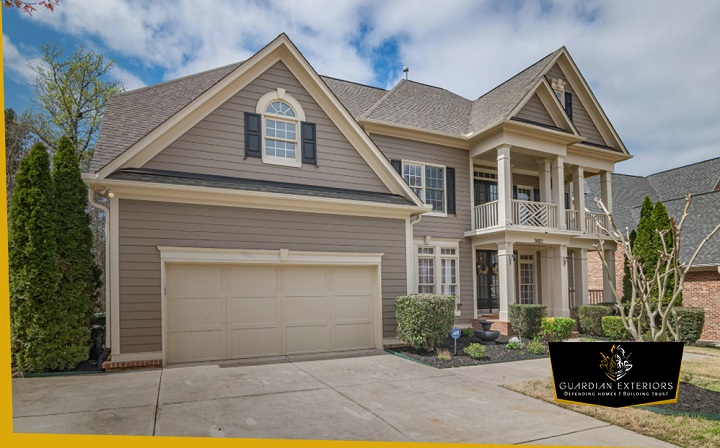
Whether you are building a new home or replacing aging materials, understanding how siding works and what proper installation involves helps you make informed decisions. This guide explains the process, materials, safety considerations, and practical factors every homeowner should know before moving forward.
What Siding Does and Why It Matters
Siding is the protective shell of your home. It shields framing, insulation, and interior walls from moisture intrusion and outdoor exposure. In places like New Palestine, where winters can be cold and summers humid, siding plays a critical role in managing temperature and preventing water damage.
Quality siding installation services address several key goals:
- Moisture control
- Energy efficiency
- Structural protection
- Curb appeal
Different materials offer different benefits. Vinyl siding is popular for its low maintenance. Fiber cement offers durability and fire resistance. Engineered wood provides a traditional look with improved resilience. Each material performs best when installed according to the manufacturer’s specifications.
Improper installation can lead to gaps, warping, or trapped moisture behind panels. Over time, this may result in mold growth, wood rot, or insulation damage. The value of professional work lies not only in attaching panels but in preparing the surface correctly and managing drainage systems.
How the Installation Process Works
Many homeowners assume siding is simply nailed to exterior walls. In reality, siding installation services follow a structured process designed to protect the building envelope.
- Inspection and Preparation
Installers examine existing siding and underlying sheathing. Damaged wood or insulation is repaired before new materials are added. If old siding is removed, crews check for hidden moisture issues. - Weather Barrier Installation
A moisture-resistant barrier, often called house wrap, is applied. This layer allows water vapor to escape while preventing rain from entering. - Flashing and Sealing
Metal flashing is installed around windows, doors, and roof intersections. This prevents water from seeping into vulnerable joints. - Panel Installation
Siding panels are installed with expansion allowances, especially for vinyl, which expands and contracts with temperature changes. - Final Inspection
Proper spacing, alignment, and fastening are checked to avoid buckling or wind damage.
Each step contributes to long-term durability. Skipping preparation or ignoring ventilation details can shorten the life of even high-quality materials.
Safety and Quality Considerations
Exterior renovation involves working at heights, handling cutting tools, and managing debris. Professional siding installation services prioritize safety protocols such as stabilized ladders, protective gear, and controlled job sites.
Quality considerations include:
- Proper fastening techniques
- Adequate ventilation behind siding
- Accurate alignment for drainage
- Compliance with local building codes
In Indiana, wind resistance ratings matter. Siding must withstand seasonal storms and occasional heavy winds. Fasteners should be corrosion-resistant to handle humidity and precipitation.
Energy efficiency is another important factor. Insulated siding systems can help reduce heat transfer. However, insulation alone cannot compensate for poor sealing around windows or improperly installed flashing.
Durability also depends on maintenance. Even well-installed siding requires occasional inspection for cracks, loose panels, or sealant wear.
Real-World Scenario: Replacing Storm-Damaged Siding
Consider a homeowner in New Palestine who experiences strong spring storms. After a particularly windy night, several vinyl panels became loose and cracked. Initially, the damage seems cosmetic. Over time, however, rainwater begins entering the exposed sections, leading to damp insulation and higher indoor humidity.
When the homeowner consults a local roofing and exterior contractor, the inspection reveals minor structural damage behind the siding. Replacement becomes necessary not only for appearance but for moisture protection.
A company such as Guardian Exteriors, a roofing contractor serving the area, would typically evaluate both the siding and roofline to determine whether flashing or edge details contributed to the issue. Information about their approach to exterior systems can be found as a general industry reference. In cases like this, siding replacement is coordinated with other exterior components to prevent repeat damage.
This example highlights how siding problems often connect to broader exterior systems, not just surface panels.
Common Mistakes and Misconceptions
Homeowners sometimes underestimate the complexity of siding work. Here are common misconceptions:
“All siding materials perform the same.”
Different materials respond differently to moisture, temperature, and impact. Choosing based solely on appearance may lead to long-term dissatisfaction.
“Thicker siding always means better protection.”
Thickness matters, but proper installation and ventilation are equally important.
“DIY installation saves money.”
While small repairs may be manageable, full installations require experience. Incorrect fastening can void manufacturer warranties.
“Siding replacement fixes all insulation issues.”
Siding contributes to energy performance, but attic insulation, air sealing, and window condition also affect comfort.
“If it looks fine, it is fine.”
Hidden moisture damage can exist beneath intact panels. Routine inspections are wise, especially after storms.
Recognizing these misconceptions helps homeowners make decisions grounded in practical understanding rather than assumptions.
How to Choose the Right Provider
Selecting a contractor for siding installation services requires careful evaluation. Consider these practical steps:
Check Licensing and Insurance
Verify that the contractor carries liability coverage and follows local building regulations.
Ask About Experience with Your Material
Fiber cement, vinyl, and engineered wood each require different installation techniques.
Request a Detailed Written Estimate
A clear breakdown of materials, labor, disposal, and timelines prevents misunderstandings.
Discuss Ventilation and Moisture Management
Ask how the contractor addresses flashing, house wrap, and drainage details.
Review Local References
Speaking with other homeowners in New Palestine can provide insight into workmanship quality.
Understand Warranty Terms
Clarify whether the warranty covers both materials and labor.
Transparency and communication often indicate professionalism more than marketing claims.
Benefits and Limitations of New Siding
Benefits:
- Improved protection against moisture
- Enhanced curb appeal
- Potential energy savings
- Reduced maintenance with modern materials
Limitations:
- Initial investment cost
- Temporary disruption during installation
- Material-specific vulnerabilities, such as impact damage to vinyl
Balancing expectations with realistic outcomes helps homeowners avoid disappointment. Siding improves exterior performance, but it does not eliminate all maintenance responsibilities.
Frequently Asked Questions
- How long does siding installation usually take?
Most residential projects take several days to a week, depending on home size and weather conditions. - Can new siding be installed over old siding?
In some cases, yes. However, removing old materials allows for inspection of underlying damage. - What maintenance does siding require?
Routine cleaning, visual inspections, and occasional minor repairs keep siding in good condition. - Does siding improve home value?
Updated siding can enhance curb appeal and may positively influence resale value. - How do I know when replacement is necessary?
Signs include cracking, warping, moisture stains, mold growth, or repeated panel loosening.
Conclusion
Siding plays a vital role in protecting homes in New Palestine from changing weather conditions. Siding installation services involve more than attaching panels. They require careful preparation, moisture control, and adherence to building standards.
By understanding how the process works, recognizing common mistakes, and evaluating contractors thoughtfully, homeowners can approach exterior upgrades with confidence. Well-installed siding supports structural durability, improves appearance, and contributes to long-term home performance.
 Vanessa Empire Interiors
  jhonsmithdenver
  nuhorizonremodelers