
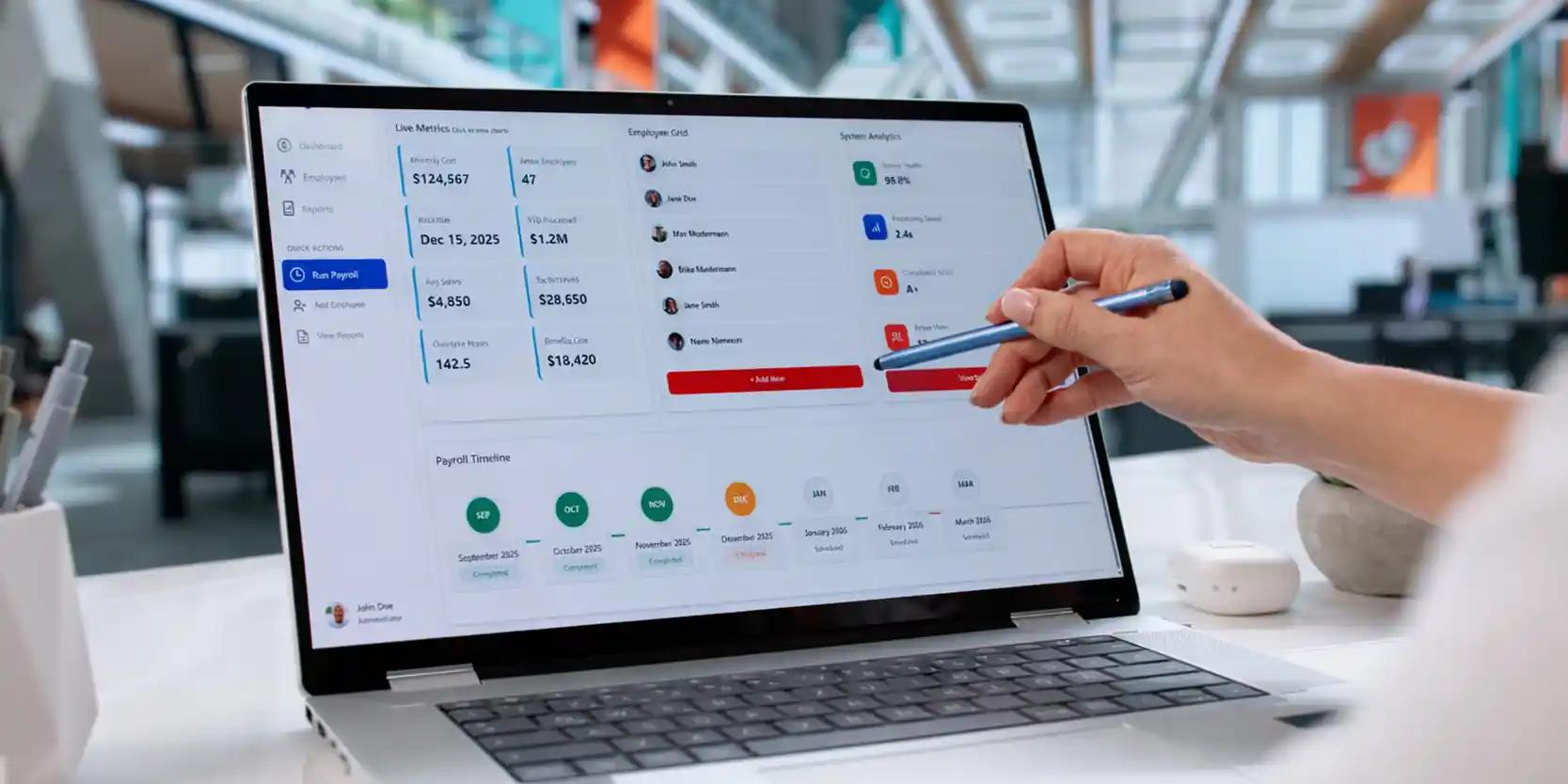
In today’s competitive business environment, making informed decisions quickly is essential for maintaining operational efficiency and achieving sustainable growth. Businesses generate large amounts of data through sales, finance, inventory, procurement, human resources, and customer management. However, when this information is stored across disconnected systems or updated manually, managers may struggle to access accurate insights when they need them most.
Enterprise Resource Planning (ERP) software addresses this challenge by integrating business operations into a centralized platform. One of its most valuable features is real-time reporting, which provides updated information about business performance and helps management make timely decisions. Organizations searching for the best erp system in saudi arabia should prioritize solutions that offer accurate reporting, interactive dashboards, and reliable data visibility. Choosing an ERP system with strong real-time reporting capabilities can improve productivity, financial control, and overall business performance.
1. Provides Immediate Access to Business Information
One of the biggest advantages of real-time reporting is the ability to access updated business information without waiting for manual reports.
Traditional reporting methods often require employees to collect information from different departments, prepare spreadsheets, and share reports with management. This process consumes time and may result in outdated or inconsistent information.
An ERP system centralizes information from various business functions, allowing authorized users to access relevant data through dashboards and reports.
For example, a sales manager can monitor current sales performance, while a finance manager can review outstanding payments and expenses. Inventory managers can also check available stock and pending purchase orders.
Having immediate access to business information helps organizations respond quickly to operational changes and reduces dependence on delayed reports.
2. Improves Business Decision-Making
Business decisions are only as effective as the information supporting them. When managers depend on outdated data, they may overlook important trends, miscalculate requirements, or make decisions that negatively affect operations.
Real-time ERP reporting provides updated information that helps management evaluate business performance and identify areas requiring attention.
For instance, if sales suddenly decrease in a particular product category, managers can investigate the reasons and adjust pricing, marketing, or inventory strategies.
Similarly, financial reports can help business leaders identify increasing expenses and take corrective action before they affect profitability.
ERP dashboards present important information in an organized format, making it easier to understand performance indicators and compare results.
With access to reliable and current data, businesses can make more informed decisions and respond effectively to changing market conditions.
3. Enhances Financial Management and Cash Flow Visibility
Financial management is an important consideration when selecting an ERP system. Businesses need accurate information about revenue, expenses, outstanding invoices, supplier payments, and available cash to maintain financial stability.
Without timely financial reporting, organizations may struggle to identify cash flow problems or control unnecessary spending.
Real-time ERP reporting brings financial information together and provides better visibility into the company’s financial position.
Finance teams can monitor accounts receivable, accounts payable, cash balances, operating expenses, and budget performance.
For example, if several customer invoices become overdue, management can identify the issue and initiate collection activities before cash flow becomes severely affected.
Similarly, businesses can monitor upcoming supplier payments and plan their financial obligations more effectively.
Real-time financial reporting supports better budgeting, expense control, and working capital management.
4. Helps Monitor Inventory Levels and Avoid Stock Problems
Inventory management directly affects customer satisfaction, operational efficiency, and business profitability.
Insufficient inventory can interrupt sales and production, while excess inventory ties up working capital and increases storage costs.
An ERP system with real-time reporting helps businesses monitor inventory movements, available stock, incoming shipments, and outstanding orders.
When inventory levels change due to sales, purchases, or warehouse transfers, the system can update relevant records according to its configuration.
Managers can use this information to identify fast-moving products, slow-moving inventory, and items approaching their minimum stock levels.
For example, a manufacturing company can monitor raw material availability and identify shortages before they affect production schedules.
Retail businesses can also use inventory reports to plan replenishment according to sales patterns and customer demand.
Better inventory visibility helps organizations reduce stock-related problems, improve purchasing decisions, and maintain efficient warehouse operations.
5. Increases Operational Efficiency and Productivity
Manual reporting processes often require employees to perform repetitive tasks such as collecting data, updating spreadsheets, checking records, and preparing departmental summaries.
These activities consume valuable time that could otherwise be spent on important business responsibilities.
Real-time ERP reporting automates much of the data collection and reporting process by using information recorded across integrated business modules.
Employees can access relevant reports without repeatedly requesting information from different departments.
For example, procurement teams can review purchase orders and supplier information, while production managers can monitor work progress and material consumption.
This reduces unnecessary communication delays and helps employees focus on their primary responsibilities.
Automated reporting also improves consistency by reducing repeated data entry and minimizing errors associated with manual information transfer.
As a result, organizations can improve productivity, simplify workflows, and use employee resources more effectively.
6. Strengthens Departmental Coordination
In many organizations, departments operate with different systems and reporting procedures. This can create information gaps and make it difficult for teams to coordinate their activities.
For example, the sales department may confirm a customer order without having accurate information about inventory availability. Similarly, the finance department may not receive timely updates about completed deliveries or pending customer payments.
An ERP system connects business departments through a centralized database, allowing information to flow between relevant functions.
Real-time reporting helps employees access consistent information and understand how their activities affect other departments.
Sales teams can check stock availability, warehouse employees can review confirmed orders, and finance teams can monitor related transactions.
This improved visibility encourages collaboration, reduces communication gaps, and helps organizations coordinate business activities more efficiently.
7. Helps Identify Problems and Business Risks Early
Every business faces operational and financial risks, including unexpected expenses, declining sales, inventory shortages, delayed payments, and production disruptions.
If these problems remain unnoticed, they can affect business performance and create additional costs.
Real-time ERP reporting helps organizations identify unusual changes and potential issues through performance dashboards, exception reports, and configured alerts.
For example, management can monitor rising operating expenses, increasing overdue invoices, or unexpected changes in inventory levels.
These reports help employees investigate problems before they develop into larger operational challenges.
Businesses can also establish key performance indicators (KPIs) to monitor important activities and identify deviations from expected performance.
Although reporting cannot eliminate every business risk, timely information allows organizations to respond more proactively and implement corrective measures.
8. Supports Better Business Performance Monitoring
Understanding business performance is essential for setting realistic goals and measuring progress.
Without reliable reporting, managers may find it difficult to determine whether departments are meeting their targets or whether business strategies are producing the expected results.
ERP systems provide reports that help organizations monitor performance across different business functions.
Common performance indicators include:
-
Sales revenue and growth rates
-
Operating expenses
-
Inventory turnover
-
Customer payment collection periods
-
Supplier payment performance
-
Production efficiency
-
Order fulfillment rates
-
Departmental budget utilization
Management can compare actual performance against budgets, historical results, and business targets.
For example, if a department consistently exceeds its allocated budget, managers can review its expenses and identify opportunities for improvement.
Regular performance monitoring promotes accountability and helps organizations align daily operations with long-term business objectives.
9. Improves Reporting Accuracy and Data Transparency
Accurate reporting is essential for maintaining trust in business information. When employees use separate spreadsheets and disconnected applications, differences in data entry and reporting methods can create inconsistencies.
ERP systems help reduce these issues by maintaining centralized records and standardizing business processes.
When transactions are recorded correctly, relevant information can be reflected across connected modules, reducing the need for repeated data entry.
Real-time reporting also allows authorized employees to review the same underlying information, improving transparency between departments.
However, reporting accuracy depends on data quality, system configuration, and employee practices. Incorrect entries or incomplete records can still affect report reliability.
Businesses should establish data validation procedures, access controls, employee training, and regular internal reviews to maintain accurate information.
A reliable reporting environment helps organizations improve accountability and make decisions with greater confidence.
10. Supports Business Growth and Scalability
As businesses expand, their operational requirements and reporting needs become more complex.
An organization may begin with a small workforce and limited transactions but eventually manage multiple warehouses, departments, branches, suppliers, and customer accounts.
Traditional reporting methods may become difficult to maintain as business data increases.
A scalable ERP system with real-time reporting capabilities can support expanding operations by providing centralized information and customizable reports.
Management can monitor performance across different locations, business units, and departments without depending on separate reporting processes.
Businesses can also use historical and current data to evaluate expansion opportunities, plan resource requirements, and identify areas with growth potential.
When selecting an ERP solution, organizations should consider reporting flexibility, integration capabilities, system performance, user access, and the ability to support future business requirements.
Choosing a suitable system from the beginning can reduce the need for frequent technology changes as the organization grows.
Conclusion
Real-time reporting is an important feature to consider when choosing an ERP system because it helps businesses access accurate information, improve decision-making, and monitor operational performance.
From financial management and inventory control to departmental coordination and risk identification, updated reporting provides valuable insights across business functions.
It also reduces dependence on manual reporting, improves transparency, and supports better resource utilization.
However, businesses should evaluate more than just dashboard appearance when selecting an ERP solution. Data accuracy, integration capabilities, reporting flexibility, security, scalability, and ease of use are equally important.
By choosing an ERP system with reliable real-time reporting capabilities and implementing it with effective business processes, organizations can improve operational control, respond faster to challenges, and build a stronger foundation for long-term growth.
 All Writer Destination
 pop up stands dubai