
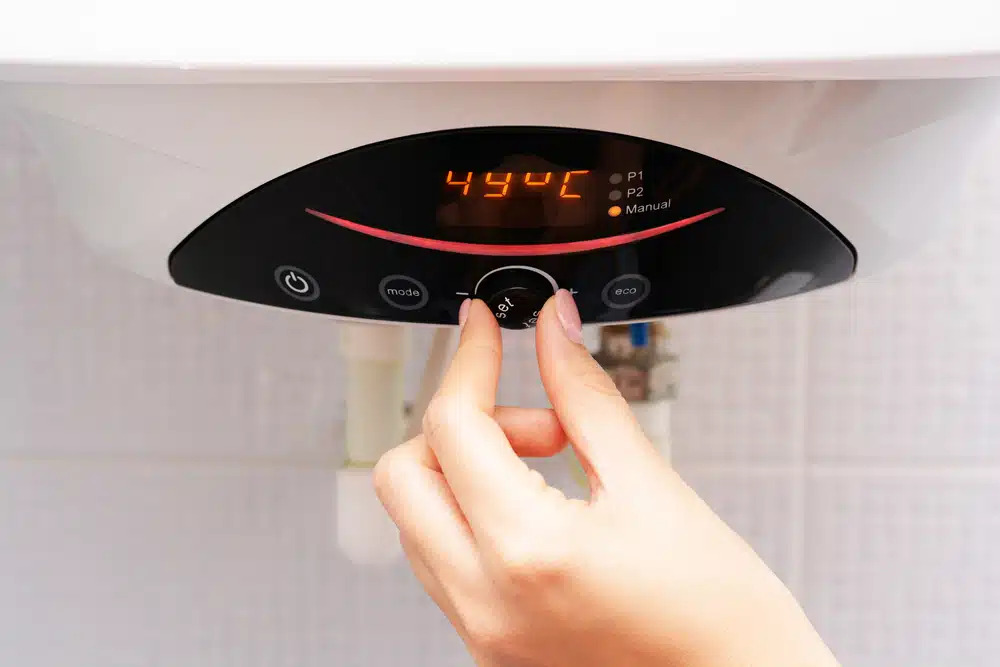
There’s nothing quite as frustrating as stepping into the shower expecting hot water and being greeted by an icy blast instead. A reliable hot water system is one of the most important appliances in any Australian home, providing comfort for bathing, cleaning, cooking, and everyday household tasks.
If your hot water system is no longer heating water properly, it’s a sign that something isn’t functioning as it should. While some issues are minor and can be resolved quickly, others may require professional attention or even a complete system replacement.
In this guide, we’ll explore the most common reasons a hot water system stops producing adequate hot water, the warning signs to look out for, and when it’s time to arrange professional Hot Water System Repairs.
Common Signs Your Hot Water System Has a Problem
Before identifying the cause, it’s important to recognise the symptoms of a failing system. Common indicators include:
- Water that never gets fully hot
- Hot water is running out quickly
- Fluctuating water temperatures
- Strange noises from the system
- Discoloured or rusty water
- Water leaks around the unit
- Higher-than-normal energy bills
- No hot water at all
If you’re experiencing one or more of these issues, your hot water system may require inspection and possible Hot Water System Repairs.
1. Faulty Heating Element
One of the most common causes of inadequate hot water in electric systems is a failed heating element.
Electric hot water systems typically contain one or two heating elements that warm the water stored inside the tank. Over time, these components can wear out, become coated with mineral deposits, or stop functioning altogether.
Signs of a Faulty Heating Element
- Water is lukewarm instead of hot
- Hot water runs out quickly
- Water takes longer than usual to heat
- No hot water despite power being available
A licensed plumber or electrician can test the heating element and replace it if necessary as part of professional Hot Water System Repairs.
2. Thermostat Problems
The thermostat controls the water temperature inside your hot water system. If it becomes faulty or incorrectly calibrated, the system may fail to heat water to the desired temperature.
In some cases, the thermostat may shut off the heating process too early, resulting in lukewarm water. In others, it may stop working entirely.
Common Thermostat Symptoms
- Water temperature constantly changes
- Water never reaches the correct temperature
- No hot water available
- System overheats occasionally
Replacing a faulty thermostat is often a relatively straightforward repair when carried out by a qualified technician.
3. Tripped Circuit Breaker or Electrical Issue
For electric hot water systems, a simple electrical fault can prevent the unit from operating correctly.
Sometimes a circuit breaker trips due to a power surge or overload. If the breaker supplying power to the hot water system has tripped, the system cannot heat water.
Check for:
- Tripped switches in the switchboard
- Burnt wiring
- Loose electrical connections
- Blown fuses
Electrical issues should always be inspected by a licensed professional to ensure safety and compliance with Australian regulations.
4. Gas Supply Problems
If you have a gas hot water system, the issue may be related to the gas supply rather than the unit itself.
Common gas-related issues include:
- Gas supply interruption
- Faulty gas valve
- Pilot light failure
- Blocked burner assembly
- Ignition system problems
If your pilot light won’t stay lit or the burner isn’t igniting correctly, professional Hot Water System Repairs may be required to restore safe operation.
5. Sediment Build-Up in the Tank
Australia’s water quality varies by region, and mineral-rich water can lead to sediment accumulation inside storage hot water systems.
Over time, minerals settle at the bottom of the tank, creating a layer between the heating source and the water. This reduces efficiency and makes it harder for the system to heat water effectively.
Signs of Sediment Build-Up
- Rumbling or popping noises
- Reduced hot water capacity
- Longer heating times
- Increased energy consumption
Regular maintenance and tank flushing can help remove sediment and improve system performance.
6. Leaking Hot Water Tank
A leaking tank can significantly affect your system’s ability to maintain water temperature.
Leaks allow hot water to escape before it reaches your taps, reducing both pressure and available hot water.
Common Leak Locations
- Tank base
- Pressure relief valve
- Pipe connections
- Inlet and outlet fittings
Small leaks may be repairable, while significant tank corrosion often indicates that replacement is the more cost-effective option.
7. Faulty Tempering Valve
Australian regulations require many hot water systems to include a tempering valve. This device mixes hot and cold water to ensure safe delivery temperatures at household taps.
When the tempering valve fails, it may allow excessive cold water to mix with the hot supply.
Symptoms Include:
- Water never gets hot enough
- Inconsistent temperatures
- Sudden temperature fluctuations
A plumber can inspect and replace a defective tempering valve during Hot Water System Repairs.
8. Aging Hot Water System
Like any household appliance, hot water systems have a limited lifespan.
Typical life expectancy includes:
- Electric storage systems: 8–15 years
- Gas storage systems: 8–12 years
- Continuous flow systems: 15–20 years
- Heat pump systems: 10–15 years
As systems age, components wear out and efficiency declines.
If your unit is nearing the end of its service life and frequently requires repairs, replacement may be the most economical solution.
9. Incorrect System Size
Sometimes the issue isn’t a fault at all—the system may simply be too small for your household’s needs.
If you’ve recently:
- Added family members
- Renovated bathrooms
- Installed additional appliances
- Increased water usage
Your current system may struggle to keep up with demand.
Signs of an Undersized System
- Hot water runs out regularly
- Family members compete for shower times
- Recovery times are too slow
Upgrading to a larger system can provide a more reliable hot water supply for growing households.
10. Pressure Relief Valve Issues
The temperature and pressure relief (TPR) valve is a critical safety component that helps regulate pressure inside the tank.
If the valve becomes faulty, it may:
- Release water continuously
- Affect heating performance
- Reduce system efficiency
A damaged relief valve should be replaced promptly to avoid further complications.
11. Heat Pump Malfunctions
Heat pump hot water systems are becoming increasingly popular across Australia due to their energy efficiency.
However, these systems contain specialised components such as:
- Compressors
- Fans
- Refrigerant lines
- Sensors
When any of these components fail, heating performance can decline significantly.
Professional diagnosis is usually required to identify and repair heat pump issues effectively.
12. Blocked Pipes or Plumbing Issues
Sometimes the hot water system itself isn’t the problem.
Blocked or partially obstructed plumbing lines can restrict hot water flow throughout the home.
Possible causes include:
- Mineral build-up
- Corroded pipes
- Internal blockages
- Damaged pipework
A licensed plumber can determine whether the issue lies within the system or the property’s plumbing infrastructure.
How to Prevent Hot Water Problems
While some failures are unavoidable, regular maintenance can greatly reduce the likelihood of unexpected breakdowns.
Preventative Maintenance Tips
- Schedule professional servicing every few years
- Flush storage tanks regularly
- Inspect for leaks and corrosion
- Test pressure relief valves
- Check gas burners and pilot lights
- Monitor energy consumption
- Replace worn components promptly
Routine maintenance often extends the life of the system and reduces the need for major Hot Water System Repairs.
When Should You Call a Professional?
While homeowners can perform basic checks, such as inspecting circuit breakers or confirming gas supply availability, most hot water system faults require professional diagnosis.
You should contact a qualified plumber if:
- There is no hot water
- Water temperature fluctuates excessively
- You notice leaks
- The system makes unusual noises
- Rusty water is coming from the taps
- Energy bills suddenly increase
- Safety valves are leaking
Attempting DIY repairs on gas, electrical, or pressurised water systems can be dangerous and may void warranties.
Is It Better to Repair or Replace?
The decision often depends on:
- Age of the system
- Frequency of breakdowns
- Repair costs
- Energy efficiency
- Overall condition
As a general rule, if repair costs exceed a significant percentage of the replacement cost and the unit is nearing the end of its lifespan, replacement may offer better long-term value.
A professional plumber can assess your system and recommend whether Hot Water System Repairs or a new installation is the more practical option.
Frequently Asked Questions (FAQs)
Why is my hot water system only producing lukewarm water?
Lukewarm water is often caused by a faulty heating element, thermostat issues, sediment build-up inside the tank, or a malfunctioning tempering valve. If the problem persists, professional Hot Water System Repairs may be required to identify and fix the underlying issue.
Why does my hot water run out so quickly?
If your hot water runs out faster than usual, the system may have a damaged heating element, excessive sediment accumulation, or simply be too small for your household’s current water usage. A plumber can assess whether repairs or an upgrade is the best solution.
Can a tripped circuit breaker cause no hot water?
Yes. Electric hot water systems rely on a continuous power supply. If the circuit breaker has tripped or there is an electrical fault, the system may stop heating water altogether. Always have electrical issues inspected by a licensed professional.
Why is my hot water system making strange noises?
Rumbling, popping, or banging sounds often indicate sediment build-up inside the tank. As water heats beneath the sediment layer, trapped air bubbles create these noises. Regular maintenance can help prevent this issue.
How often should a hot water system be serviced?
Most manufacturers recommend having your hot water system professionally inspected every 2–5 years, depending on the type of system and local water conditions. Regular servicing can reduce the need for costly Hot Water System Repairs and extend the lifespan of the unit.
Is it normal for a hot water system to leak?
No. Any leak should be investigated as soon as possible. Leaks can occur due to loose fittings, faulty valves, pipe damage, or internal tank corrosion. Ignoring a leak can lead to more expensive repairs and potential water damage.
Final Thoughts
A hot water system that isn’t heating water properly can quickly disrupt daily life. Whether the issue is a faulty heating element, thermostat failure, sediment build-up, gas supply problem, or simply an aging unit, early diagnosis is essential to prevent further damage and inconvenience.
Understanding the common causes of hot water problems can help homeowners take action sooner and avoid unexpected breakdowns. Regular maintenance, prompt attention to warning signs, and professional Hot Water System Repairs can keep your system operating efficiently and ensure you always have reliable hot water when you need it most.
If your hot water system is showing signs of trouble, arranging an inspection sooner rather than later can often save both time and money while restoring comfort to your home.
 namratam813@gmail.com
  desksergo desksergo
  backyardlivingcoseo@gmail.com