
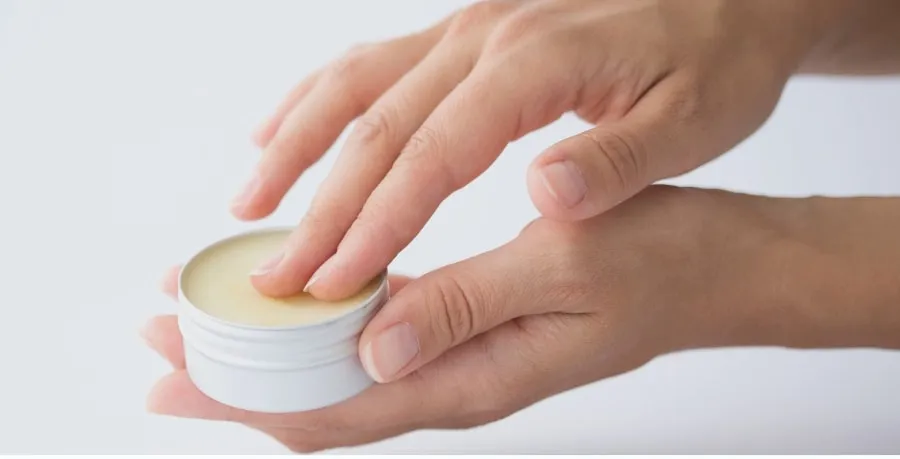
Knee discomfort can make everyday activities, from climbing stairs to taking a morning walk, feel more challenging. Choosing a topical balm may offer a convenient way to support a personal comfort routine, but the ingredients matter more than the packaging. A well-formulated Natural Balm For Knee care should combine suitable active ingredients with a skin-friendly base and clear safety instructions. Understanding what each component does can help you compare products, set realistic expectations, and make a more informed choice.
What Makes a Knee Care Balm Worth Considering?
A knee care balm is a topical product applied to the skin around the knee. Depending on its formulation, it may provide a cooling sensation, a warming effect, temporary pain relief, or moisturizing benefits. Some products contain conventional topical pain-relieving ingredients, while others emphasize plant extracts, essential oils, and nourishing oils or waxes.
However, not every balm works in the same way. A product that moisturizes dry skin is not necessarily a pain reliever, and a pleasant warming sensation does not prove that an ingredient is treating the underlying cause of discomfort.
The most useful approach is to assess three factors: the ingredients, the quality of the formulation, and the evidence supporting its intended purpose. A suitable product should also fit your skin sensitivity, existing health conditions, and other treatments.
Key Ingredients to Look for in a Knee Balm
1. Capsaicin for Topical Pain Relief
Capsaicin is a compound found in chili peppers. When formulated for topical use, it interacts with sensory nerve receptors involved in transmitting pain signals. Repeated application can reduce the activity of certain pain-signaling pathways, potentially helping relieve some types of persistent discomfort.
Research has examined topical capsaicin for osteoarthritis pain. A 2024 systematic review and meta-analysis found that it may reduce pain, although the evidence had important limitations, including small studies and varying levels of certainty. Burning at the application site was also more common than with placebo. Read the research on PubMed.
Capsaicin is therefore worth understanding when comparing pain-relief products, but it is not automatically suitable for everyone. It can cause burning, and users should avoid contact with their eyes, mouth, broken skin, and other sensitive areas. Follow the product label carefully and wash your hands after application.
2. Menthol for a Cooling Sensation
Menthol is commonly used in topical products because it activates cold-sensitive receptors in the skin. This produces a cooling sensation that can temporarily change how discomfort is perceived.
In a knee balm, menthol may appeal to people who prefer a refreshing feeling after physical activity or a long day on their feet. However, the sensation itself should not be mistaken for proof that inflammation has decreased or that joint damage is healing.
Check the concentration and directions on the label. More menthol does not necessarily mean better relief, and concentrated products may irritate sensitive skin.
3. Methyl Salicylate for Counterirritant Relief
Methyl salicylate, sometimes called oil of wintergreen, is used in certain topical pain-relieving products. It acts as a counterirritant, meaning it creates a sensation in the skin that can temporarily distract from underlying discomfort.
Although it can occur naturally in plant sources, an ingredient’s natural origin does not automatically make it harmless. Methyl salicylate can be absorbed through the skin, and excessive exposure may cause serious adverse effects.
People taking blood-thinning medicines, those with aspirin or salicylate sensitivities, and anyone with relevant medical conditions should consult a healthcare professional before using a product containing this ingredient. Never combine topical products or apply extra amounts without checking their instructions.
4. Arnica for a Plant-Based Formulation
Arnica is a flowering plant used in some topical herbal preparations. It is often included in products marketed for muscle and joint comfort, making it a recognizable ingredient for shoppers seeking botanical options.
Nevertheless, evidence for arnica in osteoarthritis and other forms of knee pain remains limited. Findings from one preparation cannot automatically be applied to every arnica cream or balm because the plant extract, concentration, and formulation may differ.
Arnica can also trigger skin irritation or allergic reactions, particularly in susceptible individuals. Avoid applying it to broken skin, and check the label if you have allergies to plants in the daisy family.
5. Turmeric and Curcumin Extracts
Turmeric contains curcumin and other compounds that have attracted research interest because of their biological activity. These ingredients are frequently promoted in wellness products, including some topical herbal preparations.
The important distinction is between promising laboratory findings, research on oral supplements, and evidence for a balm applied to the knee. These are not interchangeable. Evidence that a substance affects an inflammatory pathway does not establish that a topical preparation will relieve knee pain.
If a balm contains turmeric or curcumin, consider it a botanical ingredient rather than a guarantee of pain relief. Look for information about the extract used, its concentration where disclosed, and the manufacturer’s quality controls.
6. Essential Oils Such as Eucalyptus and Peppermint
Peppermint and eucalyptus oils are used in topical products for their distinctive aromas and sensory effects. Depending on the formulation, they may contribute to a cooling or refreshing experience.
Their presence, however, does not establish that the product treats arthritis or repairs joint tissue. Essential oils can also irritate skin or cause allergic contact dermatitis, especially when concentrated or improperly formulated.
A fragrance-free product may be a better option for people who react easily to scented skincare. If essential oils are included, look for a product designed specifically for topical application rather than applying undiluted oils directly to the knee.
7. Moisturizing Oils and Waxes
Ingredients such as shea butter, beeswax, coconut oil, and sunflower seed oil can help improve a balm’s texture and support the skin barrier. They may reduce dryness and make the product easier to spread.
These ingredients serve a different purpose from active pain-relieving compounds. A moisturizing base can make application more comfortable, but it does not establish that the product can reach deep joint structures or treat an underlying condition.
The base also affects how a balm feels. Beeswax may provide a firmer texture, while plant oils can make a formula softer and easier to massage into the skin. People with known allergies should check every ingredient, including the inactive components.
Comparing Common Balm Ingredients
The following table summarizes the main role of each ingredient and the considerations that matter when choosing a product.
| Ingredient | Main purpose in a balm | Important consideration |
|---|---|---|
| Capsaicin | May help relieve certain types of pain | Can cause burning; follow directions carefully |
| Menthol | Creates a cooling sensation and may temporarily relieve discomfort | Can irritate sensitive skin |
| Methyl salicylate | Counterirritant used in some topical pain relievers | Has important absorption and interaction risks |
| Arnica | Botanical ingredient used in topical preparations | Evidence is limited; allergic reactions are possible |
| Turmeric or curcumin | Plant-derived ingredient used in wellness formulations | Topical pain-relief evidence is not established by supplement research |
| Peppermint or eucalyptus oil | Adds aroma and sensory effects | May irritate skin or trigger allergies |
| Shea butter or plant oils | Moisturizes skin and improves texture | Supports skin comfort, not proven joint treatment |
| Beeswax | Helps create a thicker, protective balm | Check for ingredient sensitivities |
The best ingredient list depends on your goal. If you want moisturized skin, a simple balm with a suitable emollient base may be sufficient. If you are seeking temporary pain relief, examine the active ingredients and their supporting evidence rather than relying on botanical imagery or marketing language.
How to Evaluate the Quality of a Natural Balm
Read the Full Ingredient List
A product’s front label may emphasize herbs, essential oils, or a proprietary blend while providing little information about the complete formulation. Read the full ingredient list and identify the active ingredients, inactive ingredients, and any known allergens.
For products marketed as pain relievers in the United States, check whether the label identifies an active ingredient and provides directions and warnings. A botanical product marketed only for moisturizing the skin should not be assumed to have the same purpose or evidence as an approved over-the-counter topical pain reliever.
Look for Clear Concentrations and Directions
When an active ingredient’s concentration is disclosed, use that information to compare similar products. Also check how frequently the balm can be applied, how much to use, and whether there are restrictions on covering the treated area or using heat.
Do not assume that a higher concentration is better. The right choice depends on the ingredient, the formulation, the evidence, and the safety instructions.
If a product uses a proprietary blend that conceals the amount of each ingredient, it may be harder to evaluate its strength or compare it with alternatives.
Consider Manufacturing and Quality Information
Choose manufacturers that provide complete labeling, contact information, batch or lot details, and clear storage instructions. Independent quality testing, when available and relevant, can offer additional information about product identity and purity.
Remember that quality testing does not automatically prove clinical effectiveness. Similarly, phrases such as “chemical-free,” “all-natural,” and “premium herbal formula” are not substitutes for evidence or a complete ingredient list.
Choosing a Balm for Your Particular Needs
The most suitable formula depends on why your knee feels uncomfortable and how your skin responds to topical products.
For occasional discomfort after activity, you may prefer a balm with a mild sensory effect and a texture that spreads easily. If you have persistent pain associated with diagnosed osteoarthritis, consider discussing evidence-based topical treatments with a healthcare professional instead of relying on herbal ingredients alone.
For dry or sensitive skin, prioritize a simple formulation with fewer potential irritants. Fragrance-free products may help reduce exposure to fragrance-related allergens, although no formulation is guaranteed to suit every person.
Also consider practical details: whether the product leaves a greasy residue, whether the scent is tolerable, and whether you can apply it without difficulty. Comfort and ease of use matter, but they should complement rather than replace safety and evidence.
Safe Application: What to Do Before and After Use
Even a well-formulated balm can cause problems when used incorrectly. Follow these precautions:
-
Test for skin reactions: The American Academy of Dermatology recommends testing skincare products on a small area twice daily for seven to ten days before regular use. Stop if redness, itching, swelling, or another reaction develops. This precaution does not eliminate every risk.
-
Apply only as directed: Use the amount and frequency specified on the label. More product will not necessarily provide more relief.
-
Avoid damaged skin: Do not apply a balm to cuts, abrasions, rashes, or irritated skin unless a healthcare professional specifically advises otherwise.
-
Do not add heat without checking: Heating pads, hot-water bottles, tight bandages, and other heat sources may increase irritation or the risk of burns with certain topical pain relievers.
-
Wash your hands: Unless the product instructions say otherwise, wash your hands after application and avoid touching your eyes or other sensitive areas.
-
Stop if symptoms worsen: Discontinue use if the balm causes significant burning, pain, swelling, or a rash. Seek medical advice if symptoms are severe or persist.
The FDA has warned that certain over-the-counter topical pain-relief products containing ingredients such as menthol, methyl salicylate, or capsaicin have been associated with rare but serious skin burns. Follow all warnings and seek medical attention for severe pain, blistering, or significant skin damage.
People who are pregnant or breastfeeding, take regular medicines, have chronic medical conditions, or have a history of topical allergies should ask a healthcare professional or pharmacist whether a particular formula is appropriate.
Why a Balm Should Be Part of a Broader Knee Care Plan
A topical product may help some people manage symptoms, but it cannot correct every cause of knee discomfort. Osteoarthritis, tendon problems, injuries, and other conditions may require different approaches.
Depending on the diagnosis, a broader plan may include appropriate physical activity, strengthening exercises, physical therapy, weight management when relevant, and medical treatment. A healthcare professional can help identify suitable options and explain when imaging or further evaluation may be needed.
Seek prompt medical attention if knee pain follows a significant injury, the knee becomes severely swollen or deformed, you cannot bear weight, or the joint is hot and red with fever. These symptoms should not be managed with balm alone.
Conclusion
Choosing a knee care balm involves more than selecting a product with appealing botanical ingredients. Capsaicin, menthol, and methyl salicylate have different roles and safety considerations, while ingredients such as arnica, turmeric, and essential oils require a careful assessment of the available evidence. Moisturizing oils and waxes can improve skin comfort, but they should not be confused with proven pain-relieving ingredients. Read the full label, follow application instructions, and consider your personal sensitivities before use. Most importantly, treat topical products as one possible part of a broader knee care routine, not a substitute for appropriate medical evaluation when symptoms persist or worsen.
Frequently Asked Questions
1. What ingredients should I look for in a knee care balm?
It depends on your goal. Menthol may provide a cooling sensation, capsaicin may help with certain types of pain, and moisturizing oils can support dry skin. Compare the evidence, active ingredients, and safety warnings before choosing a formula.
2. Can a natural balm help with knee osteoarthritis?
Some topical ingredients may offer temporary symptom relief, but evidence varies considerably. Capsaicin has been studied for osteoarthritis pain, while evidence for many other herbal ingredients remains limited. A healthcare professional can help you choose an appropriate treatment.
3. Is a natural knee balm safer than a conventional pain-relief cream?
Not necessarily. Natural ingredients can cause allergic reactions, irritation, and other adverse effects. Safety depends on the ingredient, concentration, formulation, application method, and individual health factors rather than whether the product is described as natural.
4. How often should I apply a knee balm?
Follow the product’s specific label. Application frequency varies by ingredient and formulation, and excessive use may increase the risk of irritation or other side effects. Do not combine topical pain relievers or use heat unless the instructions permit it.
5. When should I stop using a knee balm and seek medical advice?
Stop if you develop a rash, significant burning, swelling, or worsening discomfort. Seek urgent medical attention for severe pain, substantial swelling after an injury, inability to bear weight, or a hot, red knee accompanied by fever. Persistent knee pain also deserves professional evaluation.
 Zain Ali
 Leighton Fine Art Ltd