
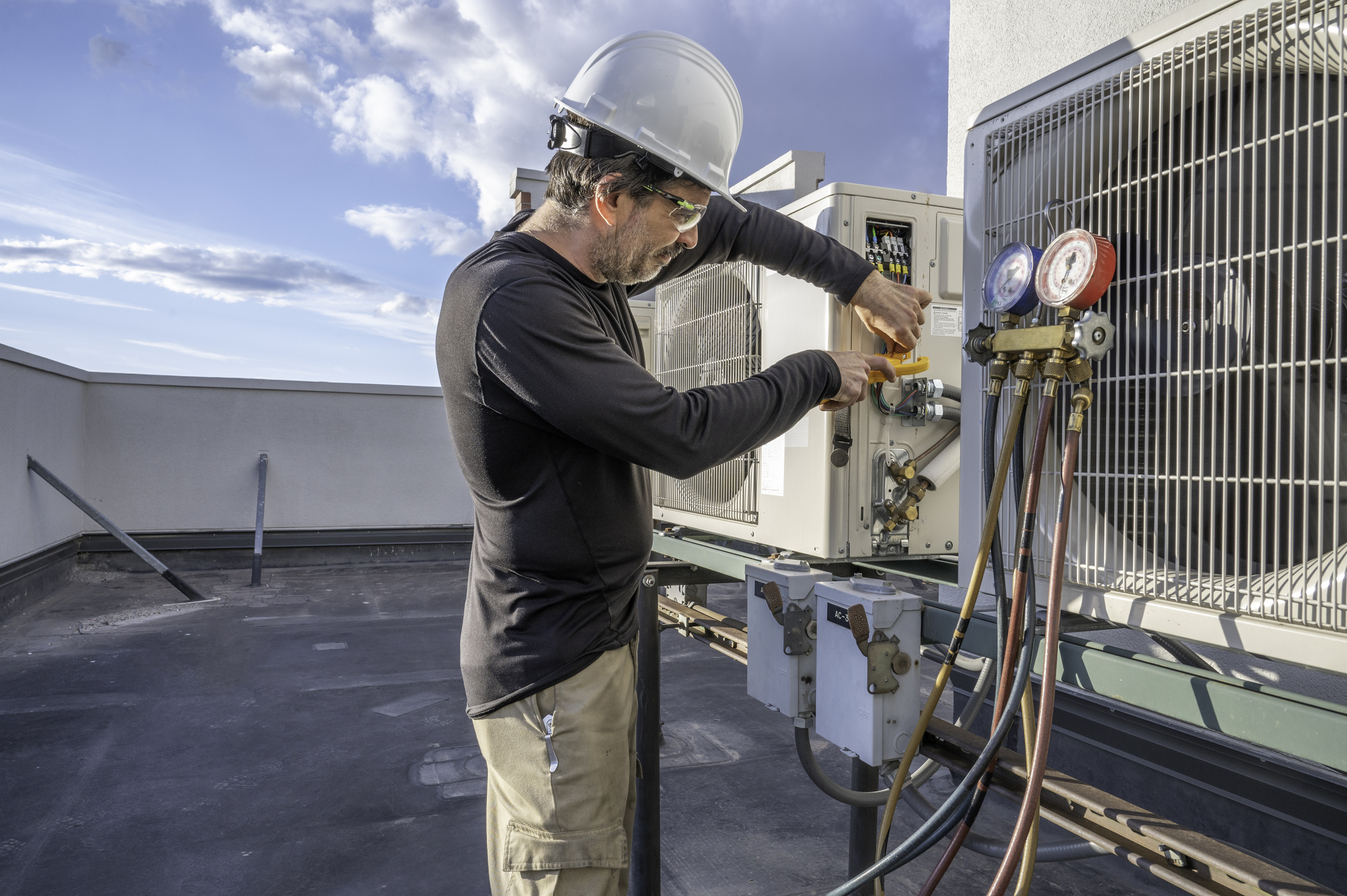
Industrial facilities depend on reliable heating, ventilation, and air conditioning systems to maintain comfortable working conditions and support daily operations. In Fort Worth, Texas, industrial HVAC equipment must handle demanding operating schedules and changing outdoor temperatures throughout the year. When existing equipment becomes outdated, inefficient, or unable to meet a facility’s needs, industrial HVAC replacement Fort Worth TX businesses consider can be a valuable investment. Installing an appropriately sized and efficient system can improve temperature control, support better airflow, and help businesses manage operating expenses.
Why Industrial HVAC Replacement Matters for Local Businesses
Industrial heating and cooling systems often operate for extended periods and serve large areas with different temperature requirements. Over time, equipment components experience normal wear, efficiency can decline, and operating costs may increase. Replacing outdated equipment can help businesses address these concerns before they cause significant interruptions.
Choosing industrial HVAC replacement Fort Worth TX services allows facility owners to evaluate their existing systems and explore equipment that better matches their current requirements. A professional assessment considers building size, operating hours, ventilation needs, equipment condition, and energy consumption.
A properly planned replacement can provide several advantages:
-
More consistent indoor temperatures
-
Improved airflow throughout the facility
-
Better energy efficiency
-
Reduced dependence on aging equipment
-
Improved temperature control
-
Greater reliability during demanding operating periods
For businesses in Fort Worth, replacing an aging HVAC system can help create a more comfortable environment for employees while supporting dependable facility operations.
Signs Your Industrial HVAC System Needs Replacement
Knowing when to replace industrial HVAC equipment can help business owners avoid unexpected downtime and increasing operating expenses. Although some problems can be addressed through maintenance, older systems may eventually become too costly or unreliable to keep operating.
Increasing Energy Consumption
A noticeable increase in electricity or heating expenses may indicate that HVAC equipment is losing efficiency. Dirty components, worn motors, outdated controls, and aging compressors can all affect system performance.
If energy consumption continues rising despite regular maintenance, evaluating replacement options may be worthwhile.
Frequent Equipment Problems
Repeated equipment failures can interrupt daily operations and create additional service expenses. When the same system requires frequent attention, business owners should compare the cost of continued maintenance with the investment required for new equipment.
Inconsistent Temperature Control
Large industrial facilities need dependable temperature management. If certain areas remain too warm while others become uncomfortable, the existing system may no longer meet the building’s requirements.
A professional evaluation can determine whether the issue involves ductwork, equipment capacity, ventilation, or aging components.
Outdated HVAC Equipment
Older industrial systems may lack the efficiency features and control capabilities available in newer equipment. Replacing outdated machinery can provide an opportunity to improve temperature management and overall system performance.
Choosing the Right Industrial HVAC System
Selecting replacement equipment requires more than comparing prices and equipment brands. Industrial facilities have different operating conditions, building layouts, and ventilation requirements. Choosing the correct system begins with understanding how the property is used.
Evaluating Facility Requirements
An experienced HVAC professional should assess several factors before recommending replacement equipment.
These include:
-
Total building square footage
-
Ceiling height and insulation
-
Number of employees and occupants
-
Operating schedules
-
Heat generated by machinery
-
Existing ductwork and ventilation
-
Electrical capacity and equipment placement
These details help determine the appropriate system size and configuration.
A qualified industrial HVAC replacement Fort Worth contractor can also evaluate whether the existing ductwork and ventilation arrangements are suitable for the new equipment. Addressing these factors during planning can help prevent airflow problems and unnecessary energy consumption after installation.
Understanding Available Equipment Options
Industrial and large commercial properties may use packaged HVAC units, rooftop equipment, split systems, heat pumps, or other configurations depending on their requirements.
Each option offers different advantages. The right choice depends on building design, heating and cooling demands, installation conditions, and long term operating costs.
Business owners should ask about equipment capacity, energy ratings, warranty coverage, maintenance requirements, and expected operating performance before making a final decision.
Benefits of Upgrading Industrial Heating and Cooling Equipment
A new HVAC system can improve more than temperature control. It can also help businesses create a better working environment and manage facility expenses more effectively.
Improved Workplace Comfort
Employees perform daily tasks more comfortably when indoor temperatures remain consistent. Proper heating and cooling also help reduce uncomfortable temperature differences between different sections of a building.
Better Energy Management
Modern HVAC equipment may include efficient motors, improved compressors, programmable controls, and advanced temperature management features. When properly selected and installed, these features can help reduce unnecessary energy consumption.
Improved Airflow and Ventilation
Industrial facilities may experience dust, heat, moisture, and airborne particles depending on their operations. Proper ventilation and air distribution are important for maintaining suitable indoor conditions.
A replacement project provides an opportunity to evaluate existing airflow arrangements and determine whether ventilation improvements are needed.
Reduced Unexpected Downtime
Older equipment that frequently experiences operational problems can disrupt production schedules and other business activities. Replacing unreliable systems may help reduce unexpected interruptions and provide more dependable heating and cooling.
Planning Industrial HVAC Replacement in Fort Worth TX
A successful replacement project starts with proper planning. Business owners should work with an HVAC professional who understands the demands of larger facilities and can explain the installation process clearly.
The first step is a detailed assessment of existing equipment and building requirements. Next, the contractor can recommend suitable replacement options and prepare an estimate covering equipment, labor, electrical requirements, and other installation considerations.
Installation scheduling is another important factor. Industrial facilities often have fixed operating hours, so planning work around business activities can help limit disruption.
Businesses in Fort Worth and nearby communities such as Arlington, Grapevine, Keller, Haltom City, and North Richland Hills should also consider local weather conditions when selecting heating and cooling equipment.
After installation, the new system should be tested to confirm proper operation, airflow, temperature settings, and control functions.
For businesses evaluating industrial heating and cooling upgrades in the Fort Worth area, TX Air Mechanics LLC is a local HVAC provider to consider for equipment installation and related heating and cooling services. Working with a knowledgeable service team can help facility owners understand their replacement options and plan improvements that support everyday business requirements.
Frequently Asked Questions
How do I know when my industrial HVAC system needs replacement?
Frequent equipment problems, increasing energy expenses, inconsistent temperatures, and declining system performance may indicate that replacement should be considered. A professional inspection can help determine the best option.
How long does industrial HVAC replacement take?
The timeline depends on equipment size, facility layout, electrical requirements, and installation complexity. A contractor can provide a more accurate schedule after evaluating the property.
Can a new industrial HVAC system reduce energy costs?
Yes. Properly sized, energy efficient equipment can reduce unnecessary energy consumption. Installation quality, building insulation, and regular maintenance also affect operating expenses.
Should industrial HVAC ductwork be replaced during installation?
Not always. Existing ductwork may remain suitable if it is properly sized, sealed, and in good condition. A professional inspection can determine whether modifications are necessary.
How often should industrial HVAC equipment receive maintenance?
Maintenance frequency depends on equipment type, operating hours, and facility conditions. Regular professional inspections and filter replacement help support reliable system performance.
Conclusion
Reliable heating and cooling equipment is essential for maintaining comfortable and productive industrial facilities. Investing in industrial HVAC replacement Fort Worth TX businesses can benefit from helps address aging equipment, improve temperature control, and support better energy management.
Whether your facility is experiencing frequent equipment problems, rising utility expenses, or inconsistent indoor temperatures, replacing outdated HVAC equipment may be a practical long term decision. Proper system selection, professional installation, and regular maintenance all contribute to dependable performance.
Give your facility the reliable heating and cooling it needs. Call Now to Schedule Your Industrial HVAC Replacement in Fort Worth TX!
 admin
 admin
 admin