
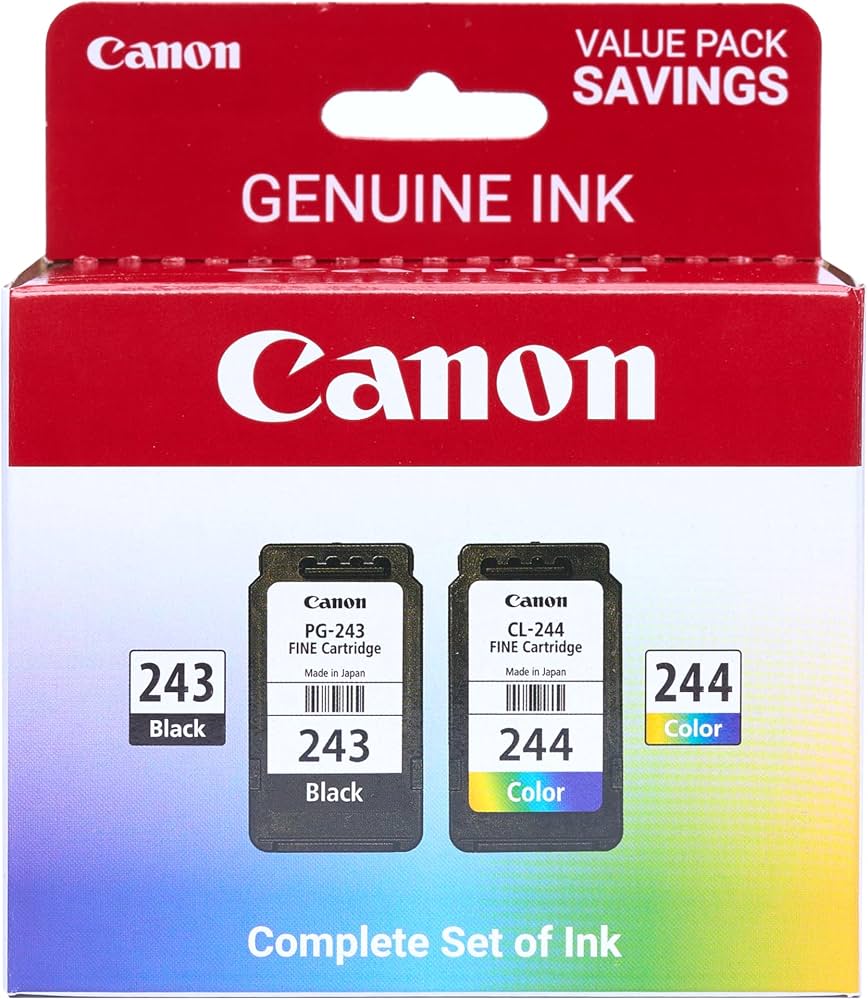
Most people don’t give printer ink much thought until they’re standing in front of a confusing wall of options. Dye-based or pigment-based? Cartridges or refill bottles? Genuine or compatible? Each choice affects how your prints look, how long they last and how much you spend on every page.
The good news is that once you understand the main types of printer ink, choosing the right one becomes simple. In this guide, we break down the different ink formulations and supply options available, explain their strengths and weaknesses, and help you work out which one is best for your printer and the way you print.
Why the Type of Ink Matters
Printer ink isn’t just coloured liquid. Its chemistry determines how it behaves on paper, how vivid the colours appear, how well it resists water and fading, and whether it suits plain paper, glossy photo paper or specialty materials.
Using the right ink for your printer and your projects helps you:
- Get sharper text and more accurate colours
- Make prints last longer without fading or smudging
- Avoid clogged print heads and other printer problems
- Keep your cost per page under control
The Two Main Ink Formulations: Dye and Pigment
Almost every home and office inkjet printer uses dye-based ink, pigment-based ink or a combination of both. Understanding the difference is the key to choosing well.
Dye-Based Ink
Dye-based ink uses colourants that are fully dissolved in liquid, much like sugar dissolved in water. When printed, the ink soaks into the paper fibres.
Advantages:
- Bright, vibrant colours with a wide colour range
- Excellent results on glossy photo paper
- Generally more affordable to produce
- Less likely to clog print heads because the colourants are dissolved
Disadvantages:
- Less resistant to water, so prints can smudge or run if they get wet
- More prone to fading over time, especially in direct sunlight
- Text on plain paper can look slightly less crisp as the ink spreads into the fibres
Best for: Everyday colour printing, photos, school projects, greeting cards and anything where vivid colour matters more than longevity.
Pigment-Based Ink
Pigment-based ink contains tiny solid particles of colour suspended in liquid. Instead of soaking into the paper, the particles sit on the surface and bond to it as the ink dries.
Advantages:
- Sharp, crisp text, particularly on plain paper
- Highly resistant to water, smudging and highlighter pens
- Excellent fade resistance, making it suitable for archival prints
- Ideal for professional documents that need to last
Disadvantages:
- Colours can appear slightly less vibrant than dye on some papers
- Can scratch or scuff more easily on very glossy paper
- Often more expensive than dye-based ink
Best for: Business documents, contracts, reports, labels, archival prints and professional photo prints on matte or fine art paper.
Hybrid Ink Systems
Many modern printers use both. A common setup combines pigment black for sharp, smudge-resistant text with dye-based colours for vibrant images. This gives you the best of both worlds in a single machine. If your printer uses a hybrid system, always replace each cartridge with one of the same ink type to maintain print quality.
Specialty Ink Types
Beyond everyday dye and pigment inks, there are several specialty formulations designed for specific jobs.
Sublimation Ink
Sublimation ink is used to transfer designs onto polyester fabrics and specially coated items such as mugs, phone cases and mouse pads. The design is printed onto transfer paper, then heat-pressed so the ink turns into a gas and bonds with the material. It’s popular with small businesses making custom merchandise, but it requires a dedicated printer and isn’t suitable for everyday paper printing.
Solvent and Eco-Solvent Ink
These inks are used in wide-format printers for outdoor signage, banners, vehicle wraps and vinyl decals. They’re durable, weather-resistant and bond well to non-porous materials. Eco-solvent inks contain milder solvents, which makes them easier to use in smaller workspaces.
UV-Curable and Latex Ink
UV-curable ink is dried instantly with ultraviolet light, allowing printing on materials like glass, wood, metal and acrylic. Latex ink is a water-based option used in commercial wide-format printing for signage and wall graphics. Both are mainly found in professional print shops rather than homes or offices.
Ink Supply Options: Cartridges vs Ink Tanks
As well as the type of ink, you’ll need to consider how it’s supplied to your printer.
Ink Cartridges
Cartridges are the most common option. Some contain the print head as well as the ink, while others are simple ink tanks that slot into a fixed print head. Cartridges are convenient, clean and easy to replace, which makes them ideal for light to moderate printing.
Refillable Ink Tank Systems
Ink tank printers, such as Epson EcoTank, Canon MegaTank and Brother’s refill tank models, use large built-in reservoirs that you top up from bottles. They usually cost more upfront but offer a very low cost per page, which makes them excellent for high-volume colour printing.
Genuine, Compatible and Remanufactured Ink
Whatever ink type your printer uses, you’ll also choose between:
- Genuine (OEM) ink: Made by your printer’s manufacturer. Reliable and consistent but usually the most expensive.
- Compatible ink: Newly manufactured by third-party companies to fit your printer. Quality compatibles deliver excellent everyday results at a much lower price.
- Remanufactured ink: Original cartridges that have been cleaned, refilled and tested. A cost-effective choice that also reduces waste.
For most homes and businesses, high-quality compatible or remanufactured cartridges from a trusted supplier provide the best balance of quality and value.
Which Printer Ink Is Best for You?
The right ink depends on what you print most often:
- Mostly text documents: Choose pigment-based black ink for crisp, smudge-resistant text.
- Family photos and colourful projects: Dye-based colour ink delivers vibrant results on glossy paper.
- Professional or archival photos: Pigment-based inks on quality matte or fine art paper offer the longest life.
- High-volume colour printing: An ink tank printer or high-yield cartridges will keep running costs low.
- Custom merchandise: Sublimation ink with a dedicated printer is the way to go.
- Budget-conscious everyday printing: Quality compatible cartridges offer big savings without sacrificing results.
Tips for Getting the Most From Your Ink
- Always check your printer model and cartridge code before buying.
- Don’t mix ink types in the same cartridge slot, as this can cause poor results or clogs.
- Print at least once a week to keep the print heads from drying out.
- Store spare cartridges sealed, upright and away from heat and sunlight.
- Use the right paper for the job, as ink performance depends heavily on paper type.
Final Thoughts
There’s no single “best” printer ink, only the best ink for your printer and your needs. Dye-based ink shines for vibrant colour and photos, pigment-based ink is the champion of sharp, long-lasting text, and specialty inks open up creative and commercial possibilities. By matching your ink to your printer and the way you print, you’ll enjoy better results, fewer problems and lower costs on every page.
 Clerk Jhonz
 cheekutechlisting