
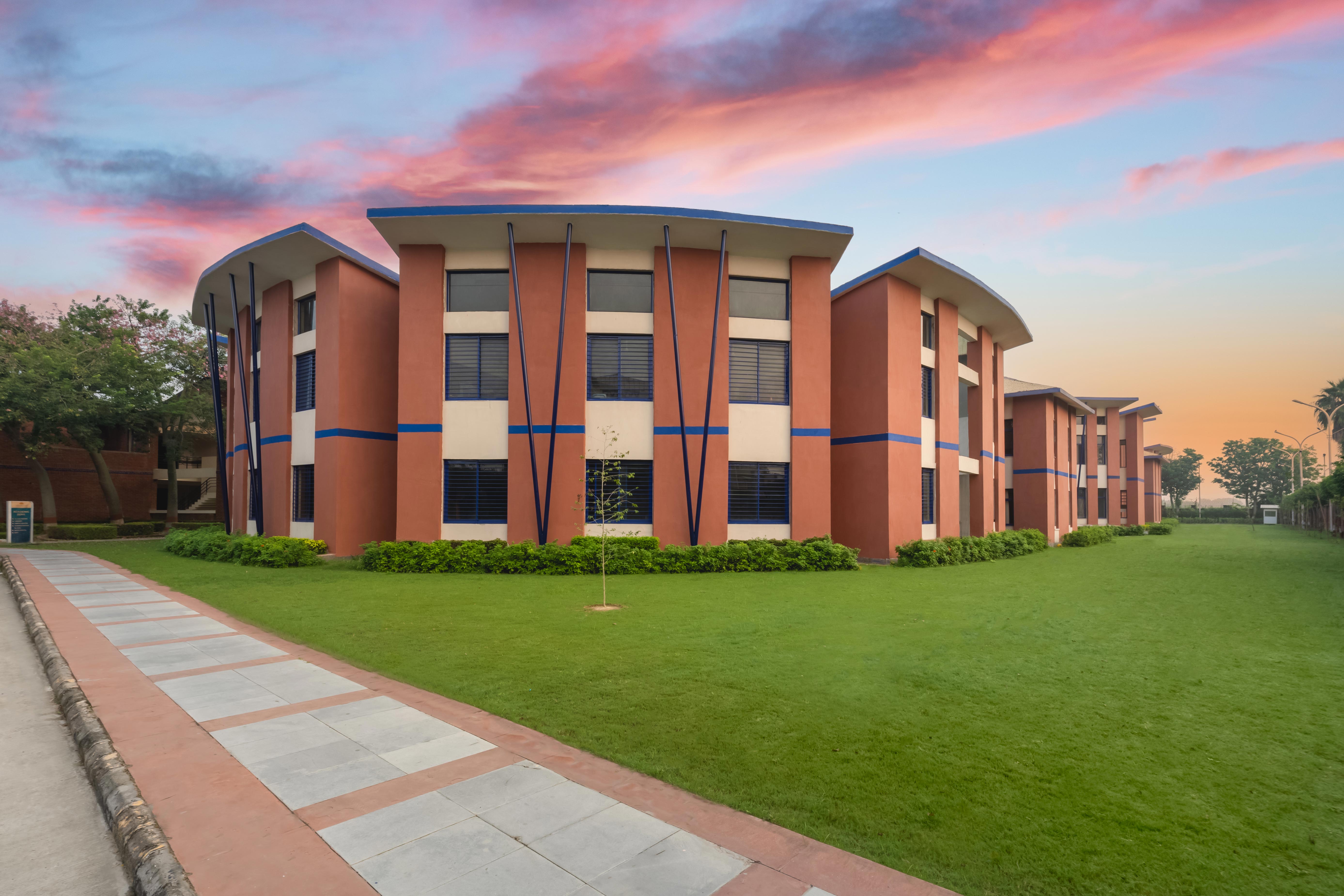
Choosing the right school is one of the most important decisions parents make for their children. While academic excellence remains a priority, modern education also emphasizes character development, leadership skills, emotional intelligence, and holistic growth. This is why many families today are considering a CBSE residential school Bulandshahr offers, as residential education provides a balanced environment where students can learn, grow, and prepare for future challenges.
A residential school goes beyond traditional classroom learning. It creates an immersive educational atmosphere where students develop discipline, independence, and essential life skills while receiving quality academic instruction. For students seeking comprehensive development, a residential school can be a transformative experience.
The Growing Importance of Residential Education
Education today is not limited to textbooks and examinations. Students are expected to become confident communicators, critical thinkers, and responsible individuals. Residential schools are uniquely positioned to support these goals because learning continues beyond classroom hours.
Living on campus allows students to participate in structured activities, interact with peers from diverse backgrounds, and learn valuable lessons about responsibility and teamwork. This environment encourages personal growth while maintaining a strong focus on academics.
Some key benefits of residential education include:
- Better time management skills
- Increased self-discipline and responsibility
- Strong peer learning opportunities
- Greater focus on academics
- Enhanced social and emotional development
- Exposure to extracurricular activities and leadership programs
These advantages help students develop qualities that are highly valued in higher education institutions and professional careers.
Why the CBSE Curriculum Matters
The CBSE residential school Bulandshahr parents choose often follows the Central Board of Secondary Education (CBSE) curriculum, which is recognized across India and internationally for its comprehensive approach.
CBSE emphasizes conceptual understanding rather than rote memorization. The curriculum is designed to help students build strong foundations in mathematics, science, languages, and social sciences while encouraging analytical thinking and problem-solving abilities.
Key features of the CBSE curriculum include:
1. Student-Centric Learning
CBSE focuses on understanding concepts and practical application of knowledge. This approach helps students retain information more effectively and perform better in competitive examinations.
2. National Recognition
The curriculum is accepted by major universities and educational institutions across the country, making transitions easier for students pursuing higher education.
3. Competitive Exam Preparation
Students studying under CBSE often find it easier to prepare for national-level entrance examinations such as JEE, NEET, and other competitive tests because the curriculum aligns closely with these exam patterns.
4. Skill-Based Education
Modern CBSE guidelines promote experiential learning, communication skills, and project-based education, helping students become future-ready.
Advantages of Studying in a Residential School Environment
One of the biggest strengths of a residential school is its structured environment. Students follow a well-planned routine that balances academics, recreation, physical fitness, and personal development.
Academic Support Beyond School Hours
Unlike day schools, residential schools provide students with access to academic support even after regular classes end. Teachers and mentors are often available to guide students through difficult concepts and assignments.
This additional support can improve academic performance and help students develop stronger study habits.
Focused Learning Environment
Residential schools minimize common distractions that students may face outside campus. A dedicated academic atmosphere encourages concentration and consistent progress.
Students benefit from:
- Scheduled study hours
- Academic mentoring
- Peer collaboration
- Access to educational resources
- Consistent monitoring of progress
Such an environment can significantly enhance learning outcomes.
Development of Independence
Living away from home teaches students how to manage their daily responsibilities. They learn essential life skills such as organization, decision-making, and problem-solving.
These experiences prepare students for future challenges, including university life and professional careers.
Building Leadership and Character
Academic success alone is not enough in today’s competitive world. Educational institutions are increasingly focusing on character development and leadership training.
A quality free boarding school in India or residential institution often incorporates programs designed to help students become responsible citizens and future leaders.
Students learn important values such as:
- Integrity
- Respect
- Accountability
- Teamwork
- Empathy
- Resilience
Through participation in student councils, group projects, sports teams, and community initiatives, students gain practical leadership experience that benefits them throughout life.
The Role of Extracurricular Activities
A well-rounded education includes opportunities beyond academics. Residential schools generally offer a wide range of extracurricular activities that allow students to discover and develop their talents.
Popular activities often include:
- Sports and athletics
- Music and performing arts
- Debate and public speaking
- Science clubs
- Robotics and technology programs
- Cultural events
- Community service initiatives
Participation in these activities enhances creativity, confidence, communication skills, and teamwork.
Students also learn how to balance multiple responsibilities, an important skill for future success.
Creating a Diverse Learning Community
One of the unique advantages of residential education is exposure to students from different regions, cultures, and backgrounds.
Living and learning together encourages cultural understanding, adaptability, and mutual respect. Students develop broader perspectives and learn to collaborate with individuals who may have different experiences and viewpoints.
This diversity enriches the educational experience and prepares students for a globalized world where collaboration and cross-cultural communication are increasingly important.
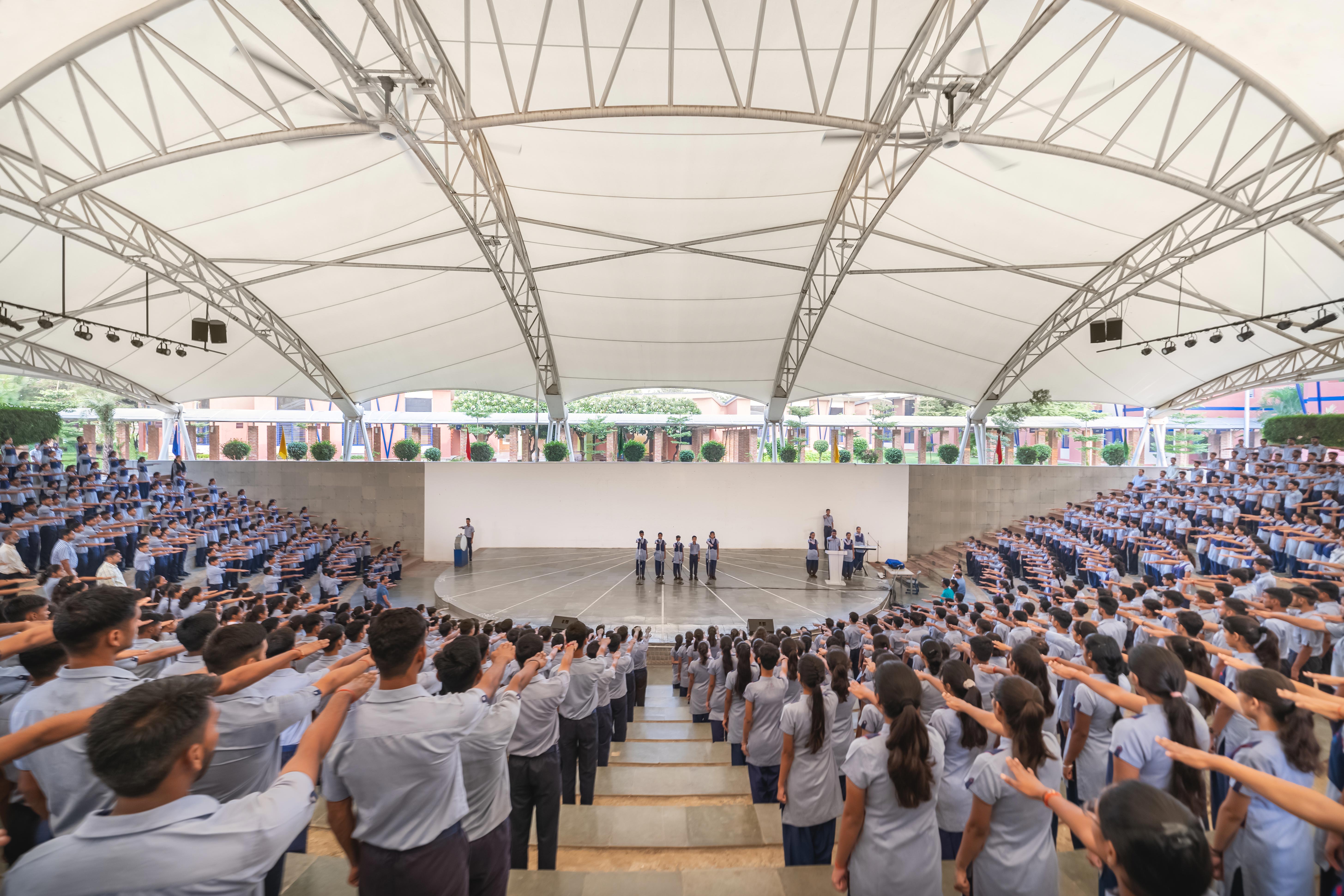
Safety, Supervision, and Student Well-Being
Parents often prioritize safety when considering residential education. Reputable residential schools maintain comprehensive systems to ensure student well-being.
These may include:
- Secure campus facilities
- Trained residential staff
- Regular health monitoring
- Counseling and emotional support services
- Structured daily schedules
- Supervised recreational activities
A supportive environment helps students feel secure and encourages healthy emotional development.
Preparing Students for Future Success
The transition from school to higher education can be challenging. Residential schools help bridge this gap by fostering independence, responsibility, and confidence from an early age.
Students often graduate with:
- Strong academic foundations
- Effective communication skills
- Leadership experience
- Time management abilities
- Self-confidence
- Adaptability and resilience
These qualities contribute significantly to success in college and beyond.
As educational expectations continue to evolve, parents increasingly seek institutions that nurture both academic excellence and personal growth. A strong residential school environment can provide the comprehensive support students need to thrive in an increasingly competitive world.
Conclusion
For parents looking for a high-quality educational experience that combines academic excellence with holistic development, a residential school can be an excellent choice. Institutions like VidyaGyan demonstrate how a free boarding school in India can empower talented students through structured learning, leadership development, and life-changing educational opportunities.
To learn more about how residential education can shape your child’s future, explore VidyaGyan and discover the benefits of a transformative learning environment.
 daisybrown0003
  shobhaa
  Career Zeno