
Labor unions are meant to protect workers, negotiate fair wages, and give employees a stronger voice. But when powerful people begin using these organizations for personal gain, the purpose of a union can get lost. In some periods of American history, the struggle for control over union leadership, contracts, and money created opportunities for corruption and criminal influence.
This uneasy relationship has long attracted readers interested in True Crime Novels. The stories often involve more than criminals and law enforcement. They reveal how ambition, loyalty, and the misuse of power can affect ordinary people who have little control over the decisions being made around them.
Why Labor Unions Became Targets of Criminal Influence
A powerful labor union can have a major effect on an industry. It may influence working conditions, employment opportunities, negotiations, and access to valuable contracts. That influence can become attractive to people who want to control more than the workplace itself.
The problem begins when someone treats a position of leadership as a personal opportunity rather than a responsibility. Instead of representing workers fairly, a corrupt leader may use the role to collect payments, reward loyal associates, or protect outside interests.
These arrangements can be difficult to challenge. Employees may fear losing their jobs, while people who depend on the organization may hesitate to speak against those in control. When intimidation enters the picture, even legitimate efforts to demand accountability can become dangerous.
This is one reason Teamsters Union History has drawn attention from historians, journalists, and crime writers. The union’s history includes important struggles over workers’ rights, alongside well-documented controversies involving corruption and organized crime. Understanding that complexity requires looking beyond the most notorious individuals to the workers and communities affected by their actions.
The Connection Between Union Power and Organized Crime
The relationship between labor organizations and criminal networks is an important part of American Organized Crime history. Criminal figures have sought influence in different industries by using intimidation, personal connections, financial arrangements, and control over business activities.
A union position could provide access to valuable relationships and decisions. In industries where labor agreements affected large contracts or essential services, control over union leadership could offer opportunities for financial gain. These connections could also help criminal figures strengthen their influence beyond a single business or neighborhood.
However, not every union dispute involved organized crime, and labor organizations should not be defined by their scandals. The more revealing stories concern specific people and systems that allowed corruption to develop.
How Ambition Can Turn Into Corruption
Ambition alone does not make someone corrupt. People may seek leadership because they want to improve an organization or gain greater responsibility. The danger comes when personal success becomes more important than honesty and accountability.
A leader who starts by bending one rule may find reasons to bend another. Favors create obligations, secret payments require protection, and dishonest arrangements can become harder to abandon. Over time, the person may become more concerned with preserving power than serving the people who trusted them.
This gradual shift is often more revealing than a single dramatic crime. It shows how Union Corruption can grow when people face little oversight and those around them benefit from staying silent.
The Human Cost of Corruption
Stories about organized crime often focus on powerful figures, rivalries, and violent confrontations. Yet the consequences extend beyond those directly involved.
When union leaders put their own interests first, workers may lose fair representation. Decisions that should reflect members’ needs can instead serve a small group of influential people. Fear and distrust can spread through workplaces, leaving honest employees unsure whether speaking up will make a difference.
Families can also feel the effects. A job may provide the income a household depends on, and a corrupt system can make that security vulnerable to decisions made behind closed doors. In communities built around a particular industry, the damage may extend beyond individual workers.
This human side makes Organized Crime History more than a record of famous criminals. It is also about the people who lived with the consequences of their actions and the institutions that struggled to restore trust.
Why Historical Crime Fiction Still Matters
Historical crime stories allow readers to explore the pressures and choices behind major conflicts. They can bring a period to life through characters whose ambitions and loyalties collide, while showing how wider social conditions shape their decisions.
Historical Crime Fiction can be especially effective when it explores the relationship between individuals and institutions. A fictional union leader, for example, may face pressure from criminal associates, political interests, or members demanding change. These competing forces can make the story feel personal while raising broader questions about power and responsibility.
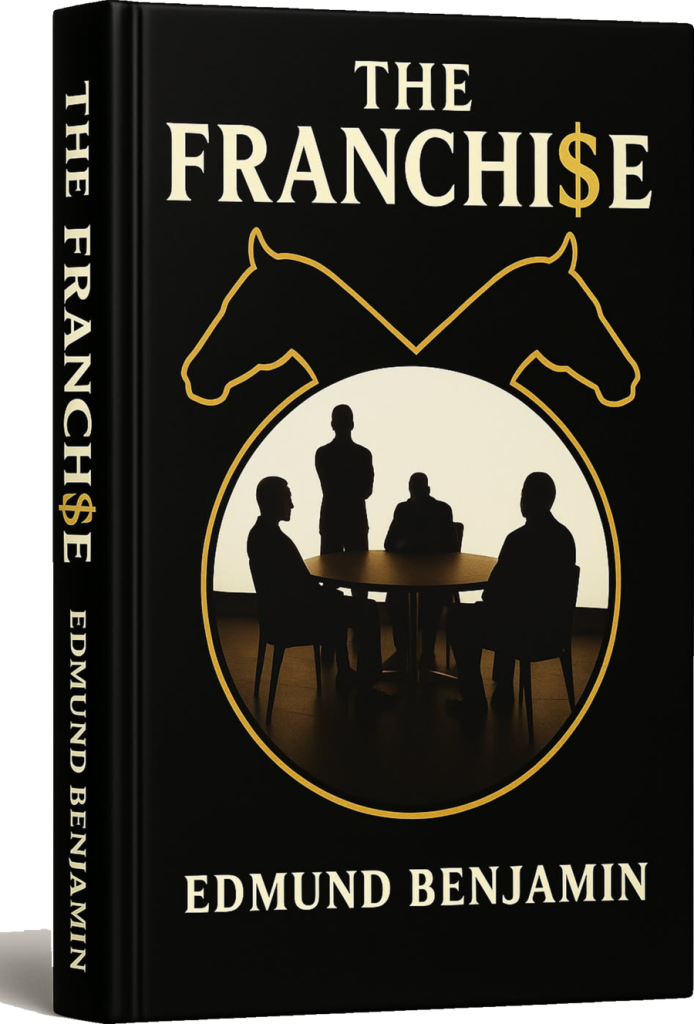
Edmund Benjamin explores these themes in The Franchise: Birth of a Dynasty. Set against the backdrop of New York’s 1952 Garbage Wars, the novel follows a struggle for control of Teamsters Local 654 and the garbage-hauling industry in Westchester County. Its central conflict involves John Acropolis, a union leader seeking reform, and Edward “Big Ed” Boyle, whose ambitions pull the organization in another direction.
The novel examines how a fight for leadership can develop into a larger struggle involving corruption, violence, and criminal influence. It is fiction inspired by historical events, with fictionalized characters, dialogue, and storylines. Readers should therefore distinguish its dramatic narrative from a documented historical account.
For people interested in Crime Based on True Events, that distinction matters. Historical inspiration can make a story compelling, but fiction and factual reporting serve different purposes.
What Makes Crime Stories So Compelling?
Readers of True Crime Books often want to understand how people cross moral boundaries and why others allow wrongdoing to continue. Crime fiction can explore similar questions through imagined characters and carefully developed conflicts.
Loyalty is a recurring theme. Someone may remain close to a corrupt leader because of friendship, fear, financial dependence, or the belief that they will eventually benefit. Another person may stay silent because speaking up seems too risky. These choices create tension because the characters are not always driven by one simple motive.
Betrayal can be just as complicated. People who appear loyal may be protecting themselves, while someone who challenges a powerful figure may be motivated by personal revenge rather than a desire for justice. These competing interests make crime stories about human behavior as much as criminal acts.
A Crime Dynasty narrative takes these tensions further by showing how influence passes between generations or spreads through a network of relationships. The people involved may believe their position is secure, but secrets, rivalries, and investigations can gradually undermine the system they have built.
Looking Beyond the Crime
The most revealing stories about organized crime do not end with the question of who gained power or who committed a crime. They also ask how the situation developed, who benefited, and who paid the price.
Labor unions remain important because workers need fair representation and a meaningful voice in decisions that affect their lives. Their history shows why transparency, accountability, and responsible leadership matter. When those safeguards fail, the consequences can reach far beyond the people at the top.
For readers drawn to True Crime Novels, stories about union power offer a way to examine these questions through personal conflict and historical settings. Edmund Benjamin’s The Franchise: Birth of a Dynasty is one fictional exploration of that troubled intersection between labor, ambition, and organized crime.
It offers a dark look at what can happen when an institution meant to serve its members becomes part of a struggle for control.
 All Writer Destination
 ooshasprep2@gmail.com
 divinedevbhoomiweddings