

Traversing throughout Europe in all reality incites excitement, adventure, and reward in a person’s life. It has everything, from the history and culture rich countries to a well-networked and connected mode of transport, for independent explorations. Of all the worlds, Europe offers the most in such cases because whether he or she wants to delve into culture or wants the sight to be beauty or the city citified excitement – there is an array of cities promised to cater to the interests of the possibilities solo travelers could research. Each destination, from the crowded capitals to hidden treasures, has a promise of a unique experience for the traveling alone.
Europe has not got that reputation among travelers and tourists regarding safety and ease of navigation in a welcoming spirit, but it is quite a good place to visit alone. It is such a straightforward and helpful public transport system in the majority of cities; therefore, one is free to move about with ease without the burden of mapping out complex routes on his map. There is also much opportunity for a solo traveler to meet new people, given the open-endedness of Europe and its expat communities, friendly locals, and, of course, international visitors. Stroll in art museums, coziness in cafes, and take on the trails on a solitary hike are activities to offer such a range of experiences to suit every traveler type. By its little size, it can attend more destinations in a Europe Trip so one can relish all that involves history and modern-day trends-makes for an awesome trip.
Here are some cities in Europe for solo travelers.
1. Amsterdam, Netherlands
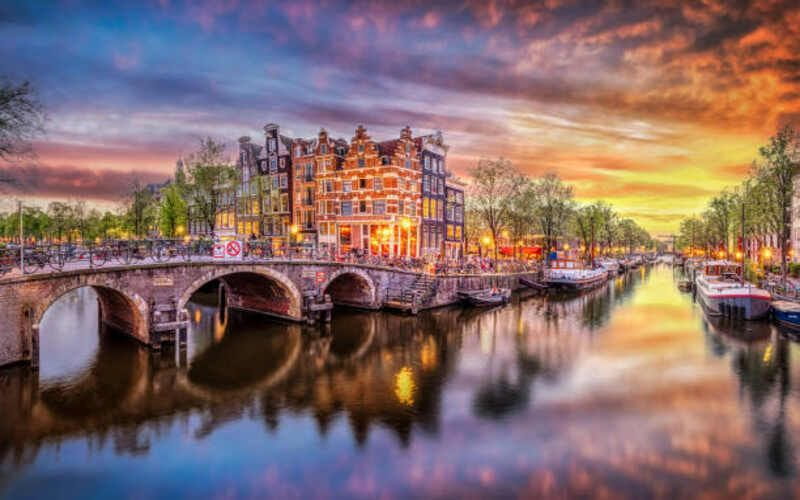
There may be a couple of places that oust Amsterdam from being the top solo travel destination and out of all brown places it is the fiery hot volcano of culture, deep-rooted vibrant history and a natural welcoming coziness, all indoors. Amsterdam is small enough and easy to get around to fit into any itinerary. One can wind along its scenic canals, visit its world-famed museums, including the Van Gogh Museum and the Anne Frank House, and experience the everyday rounded yet mellow and lively ambiance. The Dutch have a magnificent cycling culture. Hence, you can go out and explore it well yourself. Because of this, traveling alone easily feels at ease any time of day or night roaming the city. Also, it has some of the most local-friendly places that would usually help show direction or recommend places to visit.
2. Barcelona, Spain

The very fact that there is this buzz about flavouring culture, beaches, and vibrant city life situates Barcelona right at the top for most solo travelers. The abundance of all the things that could be explored here, such as the architectural wonders of Antoni Gaudí, such as the Sagrada Familia and Park Güell, never seem to end. Barcelona has a good public transport system that makes it quite easy to get around places from the Gothic Quarter to the trendier El Raval. For those who like to really unwind, these beaches in Barcelona are practically veritable havens of yesteryear. This is an invitation for people with very lively personalities and a fantastic food scene. The ambience is endearing and considering/best-suited for solo exploration.
3. Prague, Czech Republic
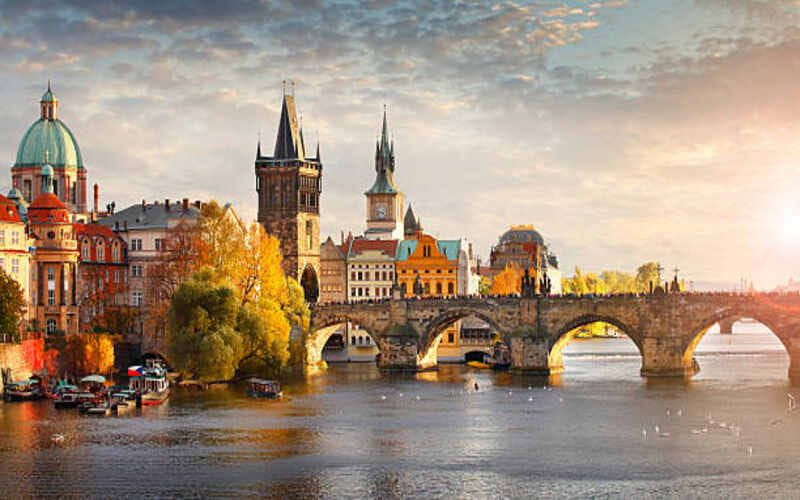
Prague is perhaps the most beautiful city throughout the entire Europe. Well reputed for its rich historical inheritance and charm that attracts many of solo travelers from all over the world, the city features very medieval architecture-from icons like Prague Castle to Charles Bridge and Old Town Square. This city would then be the perfect travel destination for anyone on a tight budget. Carries cheap and easy access to transport with good facilities with a reputation for safety. However, Prague has exciting nightlife with cozy bars that can speak to traditional pubs and jazz clubs, all such avenues for meeting new people opened.
4. Lisbon, Portugal
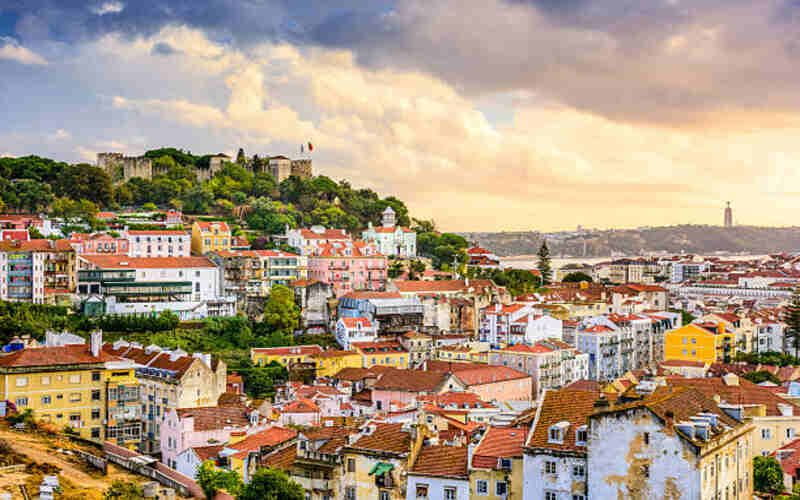
Lisbon could indeed be either a beautiful coastal city dotting the globe or a salubrious coastal city with friendly atmosphere and rich culture all through its affordability. For the solo traveler, the city offers something like taking tram 28 across hills and through downtown for that most picturesque image of going to places like historical neighborhoods including Alfama. Thus it is often at its most mellow for the solo traveller: going a drift along the Tagus River or maybe wandering through a good number of local markets. Another reason it is known is for its night life, and it further eases the possibility of being with someone else during an evening stroll, for solo travelers.
5. Copenhagen, Denmark
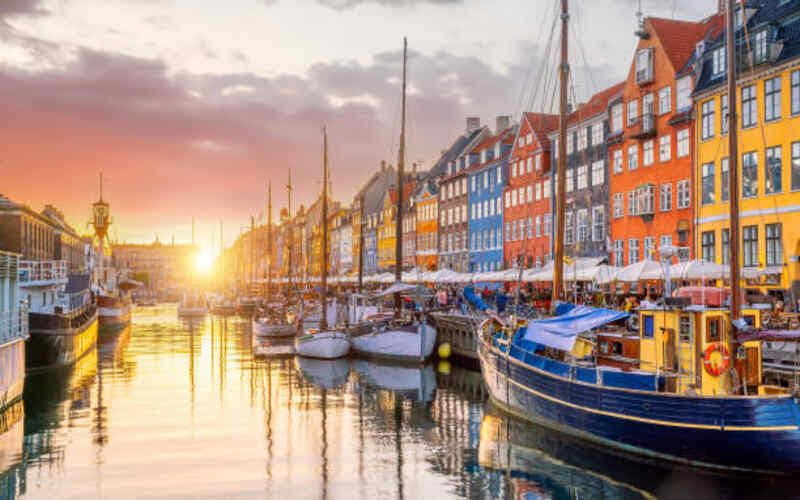
Copenhagen makes for an ideal haven for the solitary traveler who appreciates the combination of modernity, history, and culture; open space. Tourist attractions include Tivoli Gardens, Little Mermaid, and many of the museums and galleries. It is a biking friendly city where one can experience solo traveling on two wheels. Along with the beautiful tourist sites, the world is becoming much better-known food-wise-from the hippest cafes through to Michelin-starred restaurants. Copenhagen is one of the safest cities in Europe that make getting out and about rather easy for the solo traveler.
Conclusion
Traveling to the continent as a lone traveler avails one an opportunity to gather unique encounters and build some wonderful associations while cruising through varied topographies, historical vistas, and dynamic cultures. Local cuisines and the most famous and iconic monuments you dream about from when you were a child will definitely give Europe that extra level of variety – something that every visitor, no matter how many times they’ve been, will find impossible. Traveling alone in Europe is not just regarding the places you see; it is also how personal and individual the journey of such travel becomes for you. Be it adventure, relaxation, or culture enrichment, this land is one of the best to etch lifetime memories as well as the bliss of traveling alone. Travel with beautiful promises in your bags, plan your Europe trip, and get ready for the finest experience.
Other Packages: Paris tour package
 flytripinfo
 Reservarvuelos