
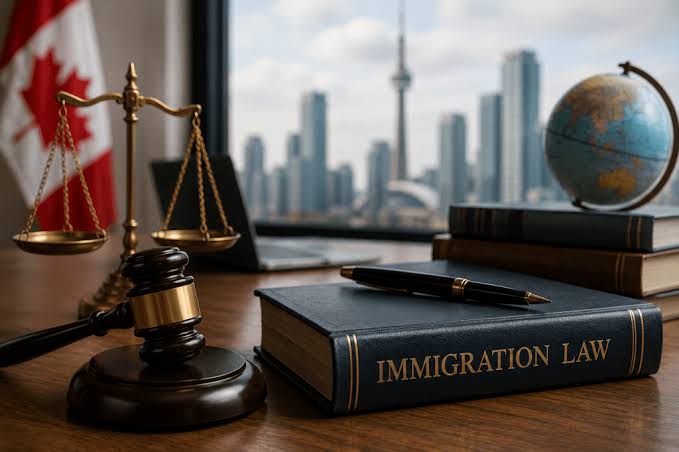
Canada remains one of the world’s most attractive destinations for immigrants seeking better career opportunities, quality education, and a higher standard of living. Every year, thousands of individuals and families apply for temporary visas, permanent residency, work permits, study permits, and citizenship. While the Canadian immigration system offers numerous pathways, navigating the legal requirements can be challenging. Many applicants choose to work with an immigration attorney Toronto professionals trust to ensure their applications are handled correctly and efficiently from the beginning.
Canadian immigration laws are complex and constantly evolving. Policies, eligibility criteria, and application procedures can change with little notice, making it difficult for applicants to stay informed. A single mistake, missing document, or misunderstanding of immigration regulations can lead to delays, refusals, or even long-term complications. This is why legal representation plays a crucial role in helping applicants achieve successful outcomes.
Understanding the Complexity of Canadian Immigration Law
The Canadian immigration system is governed by numerous laws, regulations, and policies designed to manage immigration fairly and effectively. These rules apply to various immigration programs, including Express Entry, Provincial Nominee Programs (PNPs), family sponsorship, business immigration, refugee claims, and citizenship applications.
For someone unfamiliar with immigration law, understanding program requirements can be overwhelming. Different categories have unique eligibility criteria, documentation requirements, and processing procedures. Legal representatives possess in-depth knowledge of these requirements and can identify the most suitable immigration pathway based on an applicant’s circumstances.
By seeking professional legal assistance, applicants gain access to expert guidance that helps them avoid common mistakes and make informed decisions throughout the immigration process.
Accurate Assessment of Eligibility
One of the most important benefits of hiring legal representation is obtaining an accurate assessment of eligibility. Many individuals mistakenly believe they qualify for a particular immigration program only to discover later that they do not meet all requirements.
Immigration lawyers thoroughly evaluate an applicant’s background, including education, work experience, language proficiency, family relationships, and financial status. Based on this assessment, they recommend the most appropriate immigration strategy.
This personalized approach not only increases the chances of approval but also helps applicants avoid wasting time and resources on applications that may not succeed.
Proper Preparation of Immigration Applications
Immigration applications require extensive documentation and attention to detail. Even minor errors can result in delays or refusals. Missing information, incomplete forms, incorrect supporting documents, or inconsistent statements can create concerns for immigration officers reviewing the application.
Legal representatives assist applicants in gathering the necessary documentation, completing forms accurately, and ensuring all information is presented clearly and consistently. They understand what immigration officers look for and can help build a strong application package that supports the applicant’s eligibility.
A professionally prepared application demonstrates credibility and reduces the likelihood of complications during processing.
Reducing the Risk of Application Refusal
Application refusals can be costly, frustrating, and emotionally stressful. In some cases, a refusal may affect future immigration opportunities or require applicants to submit additional explanations in subsequent applications.
Legal representation significantly reduces these risks by identifying potential weaknesses before submission. Immigration lawyers review all aspects of an application to ensure compliance with current laws and policies.
If concerns exist regarding admissibility, employment history, travel records, or previous refusals, legal professionals can proactively address these issues and provide appropriate supporting evidence. Their experience allows them to anticipate challenges and develop strategies that improve the likelihood of success.
Representation in Complex Immigration Cases
Not all immigration cases are straightforward. Some applicants face unique challenges that require specialized legal knowledge and advocacy.
Complex immigration situations may include:
- Previous visa refusals
- Criminal inadmissibility issues
- Medical inadmissibility concerns
- Misrepresentation allegations
- Appeals and judicial reviews
- Refugee and asylum claims
- Sponsorship disputes
- Deportation or removal proceedings
In these situations, legal representation becomes even more valuable. Immigration lawyers understand how to navigate complicated legal processes and can advocate on behalf of their clients before immigration authorities and tribunals.
Their expertise helps applicants protect their rights and pursue the best possible outcome under challenging circumstances.
Staying Updated with Immigration Policy Changes
Canadian immigration policies frequently evolve to address economic needs, labor shortages, humanitarian considerations, and government priorities. New programs may be introduced, while existing requirements can be modified or expanded.
For applicants managing their cases independently, keeping up with these changes can be difficult. Missing an important update may result in missed opportunities or non-compliant applications.
Legal professionals continuously monitor legislative changes, policy updates, and immigration trends. Their knowledge ensures that clients receive advice based on the most current regulations and available immigration pathways.
This proactive guidance can be especially beneficial in a rapidly changing immigration environment.
Saving Time and Reducing Stress
Immigration applications often involve significant paperwork, deadlines, and communication with government authorities. The process can become time-consuming and stressful, particularly for applicants balancing work, family responsibilities, and relocation plans.
Legal representation streamlines the process by handling many administrative tasks on behalf of clients. Lawyers help organize documentation, respond to requests from immigration authorities, prepare supporting materials, and monitor application progress.
Having an experienced professional manage these responsibilities allows applicants to focus on their personal and professional commitments while gaining confidence that their case is being handled properly.
Assistance with Appeals and Legal Challenges
Unfortunately, not every immigration application is approved. When a refusal occurs, applicants may have options to challenge the decision through appeals, reconsideration requests, or judicial review proceedings.
Understanding the legal grounds for appeal requires specialized knowledge of immigration law and administrative procedures. Legal representatives can evaluate the reasons for refusal, identify potential errors, and determine the most effective course of action.
Strong legal advocacy can make a significant difference in cases where applicants seek to overturn unfavorable decisions or protect their immigration status in Canada.
Protecting Applicant Rights
Immigration applicants have legal rights throughout the immigration process. However, many individuals are unaware of these rights or may not know how to respond when issues arise.
Legal representatives help ensure that applicants receive fair treatment and understand their rights and obligations. Whether dealing with interviews, investigations, requests for additional information, or enforcement proceedings, lawyers provide valuable guidance and representation.
Their involvement helps protect applicants from misunderstandings, procedural errors, and unnecessary legal complications.
Investing in Long-Term Immigration Success
Although some applicants view legal representation as an additional expense, it is often a worthwhile investment. The cost of correcting mistakes, reapplying after refusals, or dealing with legal complications can far exceed the initial cost of professional assistance.
A successful immigration application can have life-changing benefits, including career advancement, family reunification, educational opportunities, and long-term settlement in Canada. Working with experienced legal professionals increases the likelihood of achieving these goals while minimizing risks throughout the process.
Conclusion
Canadian immigration offers exciting opportunities, but the application process can be complex and demanding. From determining eligibility and preparing documentation to handling appeals and addressing legal challenges, professional legal representation provides invaluable support at every stage.
Whether applying for permanent residency, sponsorship, work permits, study permits, or citizenship, having experienced legal guidance can help applicants avoid costly mistakes and improve their chances of success. As immigration laws continue to evolve, professional representation remains one of the most effective ways to navigate the Canadian immigration system with confidence and achieve long-term immigration goals.
 seancox4321
  lisaxda2511
  officialpartapsinghin@gmail.com