
Maintaining independence is one of the most important goals for older adults as they age. However, health conditions, surgeries, injuries, or age-related physical changes can make everyday tasks more difficult and increase the risk of falls or other complications. Fortunately, occupational therapy for elderly at home provides a practical and personalized solution that helps seniors regain confidence while continuing to live safely in familiar surroundings. Instead of focusing only on medical treatment, occupational therapy teaches seniors how to perform daily activities more effectively, allowing them to enjoy a higher quality of life without sacrificing their independence.
Home-based occupational therapy has become an essential part of modern senior healthcare because it combines professional rehabilitation with the comfort of the patient’s own home. Therapists evaluate each individual’s physical abilities, cognitive function, home environment, and personal goals before creating a customized treatment plan. This personalized approach ensures every exercise, recommendation, and home modification directly supports the senior’s daily lifestyle and long-term recovery. Families also benefit from practical education that helps them provide safer and more effective support.
As healthcare continues shifting toward patient-centered care, occupational therapy works alongside advanced health care services to deliver comprehensive rehabilitation that addresses both physical and emotional well-being. Whether a senior is recovering from surgery, managing a chronic illness, or adapting to age-related mobility changes, understanding what to expect from occupational therapy can help families make informed decisions. This guide explains the therapy process, its benefits, and how it promotes greater independence at every stage of aging.
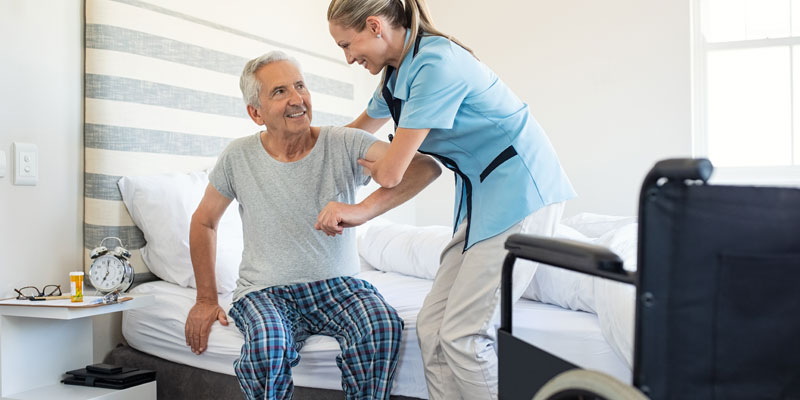
Understanding Occupational Therapy for Seniors
Occupational therapy for elderly at home is a specialized rehabilitation service designed to help older adults safely perform everyday activities despite physical, cognitive, or medical challenges. Unlike physical therapy, which primarily focuses on improving movement and strength, occupational therapy emphasizes the practical skills needed for independent living. Therapists help seniors complete activities such as bathing, dressing, preparing meals, managing medications, and moving safely throughout the home while reducing the risk of injury.
Every therapy program begins with a comprehensive evaluation that considers the senior’s medical history, mobility, balance, coordination, vision, memory, and overall ability to perform daily tasks. The therapist also evaluates the home environment to identify hazards that may interfere with safe movement or independent living. This detailed assessment forms the foundation of a personalized care plan that evolves as the senior progresses through rehabilitation.
The primary objective is to maximize independence while maintaining safety and dignity. Rather than encouraging complete reliance on caregivers, occupational therapists teach practical techniques that help seniors remain actively involved in their own daily routines. This approach improves confidence while supporting long-term physical and emotional well-being.
What Happens During the Initial Home Assessment
The first visit is one of the most important stages of occupational therapy for elderly at home because it allows the therapist to understand the senior’s unique needs. During the assessment, the therapist observes how the individual performs routine activities such as standing, walking, transferring between chairs, preparing meals, and using household equipment. These observations help identify strengths as well as areas requiring additional support or rehabilitation.
The therapist also conducts a detailed home safety inspection to identify environmental risks that may contribute to falls or injuries. Common recommendations include installing grab bars in bathrooms, improving lighting, removing loose rugs, reorganizing furniture, and ensuring frequently used items are easily accessible. Small changes often have a significant impact on reducing hazards while making daily activities more comfortable.
Family members are encouraged to participate in the assessment because they often provide valuable insight into the senior’s routines, challenges, and personal preferences. Collaborative planning ensures everyone understands the therapy goals while creating a coordinated support system that extends beyond scheduled therapy sessions.
Personalized Treatment Plans for Daily Living
After the assessment, the therapist develops an individualized rehabilitation plan tailored to the senior’s specific health condition and personal goals. Every treatment program is designed to improve the skills necessary for independent living while addressing current limitations. Exercises and functional training are selected based on medical diagnoses, mobility challenges, cognitive abilities, and daily routines rather than following a standard treatment model.
Therapy sessions often include activities that improve hand coordination, balance, flexibility, strength, posture, and fine motor skills. Seniors practice everyday tasks such as dressing, cooking, grooming, climbing stairs, or safely entering and exiting the bathtub using techniques that reduce physical strain. Repetition of these practical activities helps build confidence while improving overall functional independence.
Occupational therapists continuously monitor progress and modify treatment plans whenever necessary. As strength, coordination, and confidence improve, therapy activities become more challenging to encourage continued progress. This personalized approach ensures rehabilitation remains effective throughout every stage of recovery.
The Connection Between Occupational Therapy and Advanced Health Care
Modern occupational therapy is an important component of advanced health care because it focuses on treating the whole person rather than addressing symptoms alone. Therapists work closely with physicians, nurses, physical therapists, speech-language pathologists, and other healthcare professionals to coordinate treatment plans that reflect the patient’s overall medical condition. This multidisciplinary approach improves communication while supporting better long-term health outcomes.
Advanced health care emphasizes evidence-based treatment supported by ongoing assessments, patient education, and coordinated rehabilitation. Occupational therapists regularly communicate with the broader healthcare team regarding progress, functional improvements, and any changes that may require medical attention. Early identification of new concerns allows healthcare providers to adjust treatment plans before complications become more serious.
Technology has also enhanced home-based rehabilitation through telehealth consultations, remote patient monitoring, adaptive equipment, and digital health records. These innovations improve care coordination while allowing therapists to provide more personalized recommendations that support safer and more effective recovery at home.
Benefits for Seniors and Family Caregivers
One of the greatest advantages of occupational therapy for elderly at home is its ability to improve independence without requiring seniors to leave the comfort of their homes. Receiving rehabilitation in familiar surroundings often reduces anxiety while encouraging greater participation during therapy sessions. Seniors can practice real-life activities within their own environment, making therapy more relevant and immediately beneficial.
Family caregivers also experience significant benefits because occupational therapists provide education on safe caregiving techniques, mobility assistance, fall prevention, and home organization. Learning these practical skills helps reduce caregiver stress while improving confidence in supporting daily routines. Families become active partners in the rehabilitation process rather than simply observing treatment.
Occupational therapy also promotes emotional well-being by helping seniors regain confidence after illness, injury, or surgery. Successfully completing everyday activities independently often restores a sense of purpose and personal achievement. Improved confidence encourages continued physical activity, stronger social engagement, and a more positive outlook on aging.
Long-Term Results and Ongoing Support
The benefits of occupational therapy extend far beyond the initial rehabilitation period because seniors continue applying the techniques they learn during everyday life. Safe movement strategies, adaptive equipment recommendations, and home modifications remain valuable long after formal therapy sessions have ended. These lasting improvements help reduce fall risks while supporting continued independence as health needs evolve over time.
Healthcare providers may recommend periodic follow-up evaluations to ensure the senior’s abilities continue matching the demands of their home environment. If medical conditions change or new mobility challenges develop, therapists can modify recommendations and introduce additional exercises that address emerging needs. Ongoing monitoring helps prevent future complications while maintaining functional independence.
Successful aging often depends on proactive healthcare rather than waiting until problems become severe. Combining occupational therapy with comprehensive advanced health care services creates a strong foundation for long-term wellness, allowing seniors to remain active, engaged, and independent for as long as possible. Preventive care continues to play an increasingly important role in helping older adults enjoy healthier lives.
Conclusion
Occupational therapy for elderly at home offers far more than rehabilitation following illness or injury. It provides seniors with practical skills, personalized guidance, and environmental modifications that make everyday living safer, easier, and more independent. By focusing on real-life activities, therapists help older adults regain confidence while reducing the physical and emotional challenges associated with aging. Personalized care plans ensure every recommendation reflects the individual’s health condition, lifestyle, and long-term goals.
Working alongside advanced health care professionals, occupational therapists contribute to a coordinated treatment approach that supports physical recovery, emotional well-being, and preventive healthcare. Their collaboration with physicians, nurses, therapists, and family caregivers ensures every aspect of the senior’s care remains organized and patient-centered. This integrated model often leads to better health outcomes and greater long-term independence.
As more families seek effective ways to support aging loved ones at home, occupational therapy for elderly at home continues to play a vital role in promoting safe, active, and fulfilling lives. Through individualized treatment, ongoing education, and compassionate professional support, seniors can maintain their dignity, preserve their independence, and continue enjoying the comfort of home while receiving high-quality rehabilitation tailored to their unique needs.
 halilhuseyincagatay3@gmail.com
  virginia Marijuana
  smilepadindia