
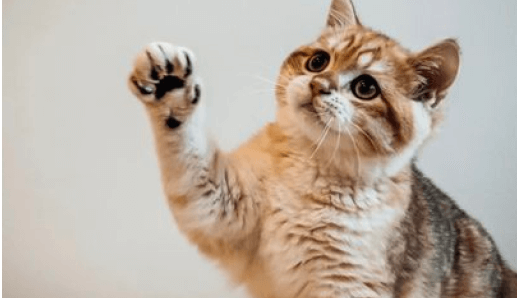
Bringing a kitten home involves understanding its temperament, health requirements, daily care, and long-term needs. Ragdoll kittens are popular among cat enthusiasts for their striking blue eyes, semi-long coats, and generally affectionate personalities. However, their suitability depends on a household’s routine, available time, and ability to provide consistent care. Before choosing a kitten, prospective owners should understand the breed’s characteristics, grooming requirements, nutrition, health considerations, and the responsibilities involved in raising a companion animal.
Understanding Ragdoll Kitten Characteristics
Ragdoll kittens are generally sociable, gentle, and people-oriented cats. Many enjoy companionship, interactive play, and spending time near family members. Although the breed is often described as relaxed, individual personalities differ, and young kittens can be energetic, curious, and playful.
Ragdolls are also a relatively large breed that matures slowly, sometimes taking around four years to reach full physical development. Their coat patterns include colorpoint, mitted, and bicolor, with variations in point coloration. Kittens’ markings and coat colors can develop as they grow, so their appearance may change over time.
Despite their trusting temperament, Ragdolls should always be handled carefully. Their relaxed behaviour does not mean they are immune to pain or injury. Children should learn gentle handling and respect a cat’s need for rest and personal space.
Preparing Your Home for a New Kitten
A safe home environment helps kittens adjust more comfortably during their first weeks. Prepare a quiet resting area with a comfortable bed, clean litter tray, food and water bowls, scratching surfaces, and age-appropriate toys.
Ragdoll kittens, balconies, electrical cords, cleaning products, medications, and small objects that could be swallowed. In Singapore’s high-rise homes, balcony and window safety deserves particular attention. Secure screens or other suitable barriers should prevent accidental falls.
Introduce the kitten gradually to unfamiliar rooms, visitors, and other pets. Providing hiding places and predictable routines allows the animal to settle at its own pace. Indoor enrichment through climbing structures, puzzle feeders, and interactive play can also support physical activity and mental stimulation.
Nutrition, Grooming, and Everyday Health
Balanced Nutrition and Hydration
Growing kittens need complete and balanced food formulated for their life stage. Follow feeding guidance based on age, body condition, and veterinary recommendations rather than relying solely on package portions. Fresh drinking water should remain available, and wet food can contribute to overall fluid intake.
Monitor growth and body condition regularly because Ragdolls can be prone to excess weight. Avoid sudden dietary changes, and consult a veterinarian before introducing supplements or specialized diets.
Coat Maintenance and Hygiene
Ragdolls have soft, semi-long coats that benefit from regular combing, usually at least once or twice weekly. Pay attention to areas behind the ears, under the legs, and around the hindquarters, where tangles can develop.
Routine care should also include nail checks, dental hygiene, clean litter facilities, and regular veterinary examinations. Establishing gentle grooming habits early can make future care easier.
Preventive Veterinary Care
Before bringing home a kitten, review its vaccination records, parasite prevention, microchip information, and veterinary history. Discuss an appropriate vaccination schedule, sterilisation timing, and preventive care with a veterinarian.
Ragdolls can be affected by hypertrophic cardiomyopathy (HCM), an inherited heart condition. Ask about genetic screening of breeding cats and relevant health documentation. Genetic testing can identify certain known variants but cannot rule out every possible case of heart disease.
Evaluating Breeders and Adoption Options
When searching for a ragdoll kitten in Singapore, prioritize responsible sourcing over appearance, colour, or price. Ask about the kitten’s age, socialisation, living conditions, parent health history, and veterinary records. Observe whether the kittens appear alert, clean, comfortable, and appropriately cared for.
People researching kittens for sale should request transparent documentation, understand the purchase or adoption agreement, and avoid rushed transactions or sellers unwilling to answer questions. Confirm applicable Singapore licensing, identification, and animal welfare requirements before proceeding.
Conclusion
Choosing a requires thoughtful preparation, responsible sourcing, and a long-term commitment to health and companionship. Resources such as Cat in Connoisseur can provide a starting point for exploring Ragdoll-related information and available options, but prospective owners should independently assess each source and seller. Understanding the breed’s grooming, nutrition, safety, and veterinary needs helps owners build a supportive environment. With patient introductions, consistent care, and informed decisions, families can help their new feline companion settle into a healthy and comfortable life.
 Billi Treats