
Introduction
A minimalist dining table does not have to look empty or overly formal. With the right combination of colors, textures, and practical accessories, you can create a simple dining arrangement that still feels warm and welcoming.
Minimalist styling focuses on using fewer items while giving each one a purpose. Instead of filling the table with decorations, you can highlight natural materials, comfortable fabrics, and carefully selected dinnerware.
Whether you are styling a dining table for everyday family meals or preparing for guests, a thoughtful arrangement can make the space feel organized without losing its personality.
Start With a Neutral Color Foundation
A neutral color palette is a useful starting point for minimalist dining. Shades such as cream, beige, white, soft gray, and warm brown can create a calm appearance.
Begin with your existing dining table and dinnerware. If you have a natural wooden table, allow its surface to remain visible rather than covering it completely.
A simple tablecloth or narrow runner can introduce another layer without making the arrangement feel crowded.
Keeping the main colors understated also makes it easier to change smaller accessories whenever you want a different look.
Choose Dinnerware With Simple Designs
Minimalist dining works well with dinnerware that has clean shapes and uncomplicated patterns.
Plain ceramic plates, simple bowls, and clear drinking glasses can provide a coordinated foundation. You do not need an entirely matching collection. Different pieces can work together when they share similar colors or finishes.
Choose dinnerware according to the way you use your table. Everyday meals may require practical plates and bowls, while special dinners can include a few additional serving pieces.
Avoid displaying more items than you need. Keeping the table functional is an important part of minimalist styling.
Use Natural Fabric Textures to Add Warmth
A table can look too plain when every surface has the same finish. Introducing different textures helps create visual interest without adding unnecessary decorations.
Cotton and linen fabrics can work particularly well with wooden furniture and ceramic dinnerware.
Brown napkins can introduce warmth to a neutral dining arrangement. Pair them with cream plates, natural wood, and a simple runner for a balanced appearance.
You can also combine smooth cotton fabrics with textured placemats or woven accessories. Choose only a few materials so the table remains visually calm.
Keep Napkin Storage Simple and Accessible
Napkins should be easy to find when preparing the table. Instead of storing them with unrelated kitchen supplies, create a small dedicated section in a drawer or cabinet.
Fold everyday options neatly and arrange them by color or size. This makes it easier to select the right napkins without searching through multiple storage spaces.
For gatherings where you want a coordinated personal detail, custom napkins can complement the table setting while maintaining a simple appearance.
Store occasion-specific designs separately from the napkins you use every day.
Use a Small and Thoughtful Centerpiece
A minimalist centerpiece should add interest without taking over the table.
Consider using:
-
A small vase with fresh flowers
-
A simple ceramic bowl
-
A short arrangement of greenery
-
A wooden serving tray
-
A bowl of seasonal fruit
Choose one main decorative element rather than combining several large accessories.
For a rectangular table, a narrow centerpiece can follow the length of the surface. For a round table, a small central arrangement may be enough.
Make sure guests can see one another comfortably and that there is enough space for serving dishes.
Create a Separate Area for Drinks and Refreshments
A minimalist dining table is easier to maintain when additional serving accessories have their own space.
Use a nearby sideboard, kitchen counter, or small tray for beverages and refreshments. Keep glasses, a water pitcher, and frequently used accessories together.
Cloth cocktail napkins can be placed beside the drinks area for coffee, tea, and small refreshments.
This arrangement keeps the main dining table clear while making it convenient for family members and guests to serve themselves.
Introduce Seasonal Details Without Changing Everything
One advantage of a neutral dining arrangement is that it can adapt to different seasons.
You do not need to replace your tablecloth, dinnerware, or furniture whenever the season changes. Simply update a few smaller accessories.
During autumn, fall napkins can introduce a seasonal pattern to the table. Pair them with natural wood, neutral plates, and a small arrangement of seasonal greenery.
During spring and summer, fresh flowers and lighter decorative accents can brighten the dining area.
Keeping the larger elements neutral makes seasonal updates easier and more affordable.
Style the Table for Special Celebrations
Minimalist styling can also work beautifully for birthdays, anniversaries, engagement dinners, and wedding-related gatherings.
Choose a simple tablecloth or runner and introduce a few details that reflect the occasion. Personalized accessories can make the table feel special without requiring elaborate decorations.
For a wedding celebration, custom wedding napkins can add a coordinated element through a subtle monogram, date, or design.
Combine them with simple dinnerware and a small floral centerpiece. This creates a polished arrangement while maintaining the clean appearance of a minimalist table.
Make Everyday Table Styling Practical
A beautiful dining table should remain easy to use. Avoid placing permanent decorations where they interfere with plates, glasses, or shared serving dishes.
Keep frequently used accessories within reach and store items that are only needed occasionally.
After meals, clear the table, wipe the surface using suitable cleaning methods, and return decorative pieces to their designated places.
Wash reusable fabrics according to their care instructions and make sure they are completely dry before storing them.
A simple daily reset helps maintain the minimalist appearance without requiring a complete rearrangement every time you eat.
Balance Simplicity With Your Personal Style
Minimalist dining does not mean every home needs the same white tablecloth and plain dinnerware. You can introduce personality through natural wood, favorite colors, handmade ceramics, or meaningful accessories.
The key is to choose a few details that work together rather than adding decorations simply to fill empty space.
Look at the table as a complete arrangement. Consider how the fabric, dinnerware, lighting, and surrounding furniture contribute to the overall atmosphere.
A comfortable dining space should reflect the people who use it while remaining easy to maintain.
Conclusion
Styling a minimalist dining table is about choosing practical accessories, coordinating colors, and using natural textures to create warmth without unnecessary decoration. Simple dinnerware, reusable napkins, a modest centerpiece, and organized storage can make everyday meals feel more inviting.
All Cotton and Linen offers reusable dining textiles that can complement minimalist interiors, family meals, and special celebrations. With a few versatile accessories, you can create a dining table that feels clean, comfortable, and welcoming throughout the year.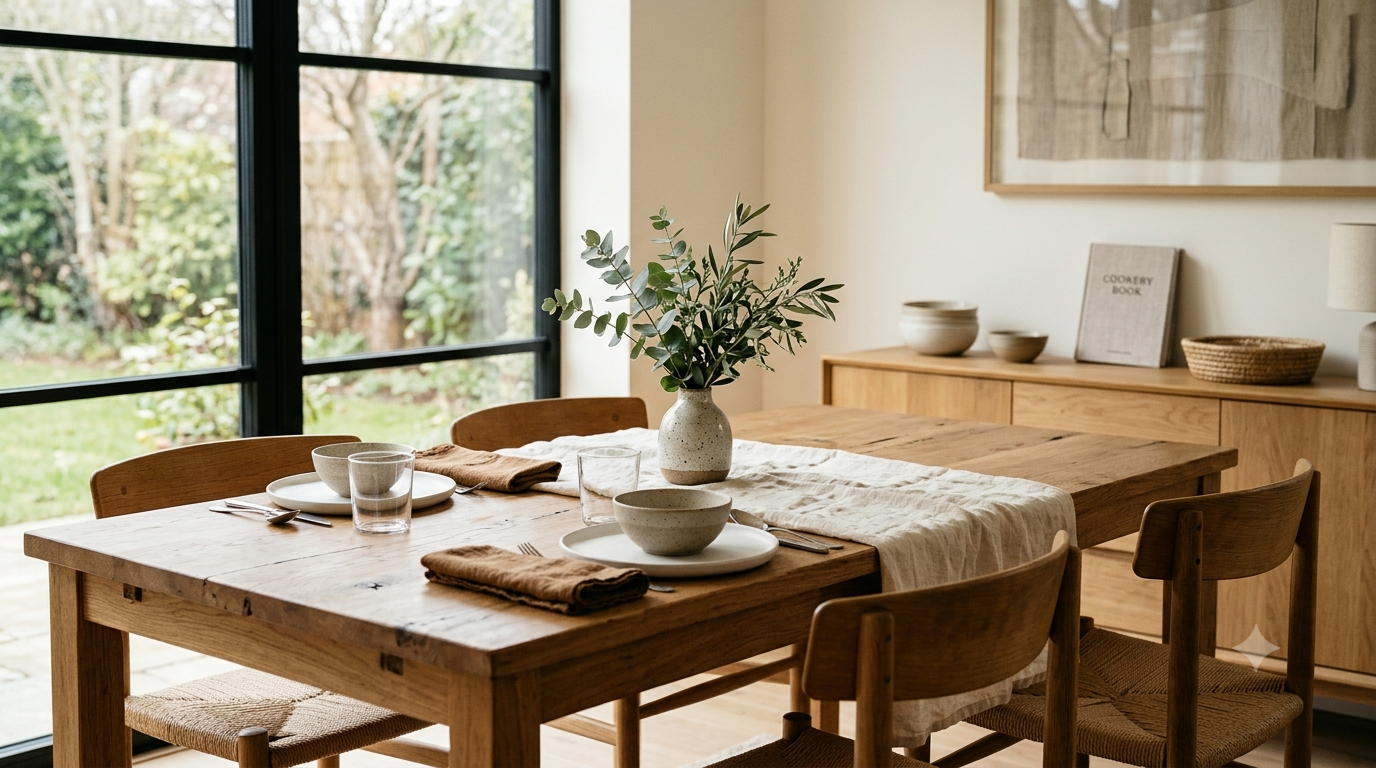
 liamisabelle9
 Global Swanky
 alexjoe