
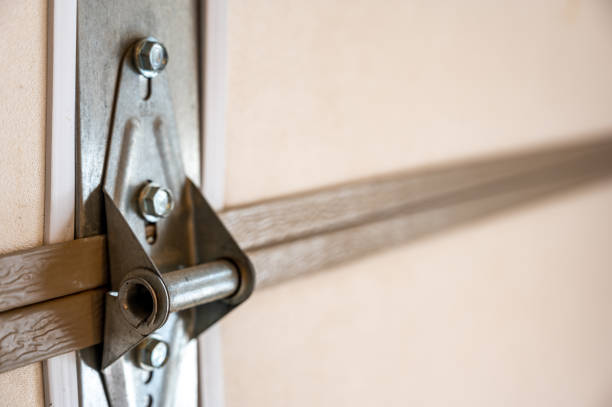
The overhead threshold system functions as a critical gateway, securing vehicles, sheltering valuable home equipment, and serving as a primary entry boundary for the modern household. Because these robust automated systems work quietly under immense daily loads, it is remarkably easy for property owners to overlook the subtle signs of physical degradation. Over time, continuous cycles of opening and closing inevitably introduce structural strain across the entire hardware network. When a sudden mechanical failure halts the system entirely, it creates immediate vulnerabilities in residential defense and disrupts tight household schedules. Developing a clear understanding of your overhead configuration remains essential to maintaining a secure, highly functional home environment.
Proactive ownership relies heavily on recognizing when basic lubrication is enough and when a complex mechanical imbalance requires a precision intervention. When homeowners notice uneven lifting or snapping sounds coming from the high-tension hardware, seeking an Expert garage door cable and spring fix becomes paramount to preventing catastrophic property damage. Titan Garage Doors emphasizes that treating these specialized structural systems with the correct diagnostic care directly extends the operational longevity of the motor while safeguarding family members from unexpected operational drops.
The Interdependent Architecture of Modern Roll-Up Assemblies
An overhead gate functions through a carefully synchronized balance of structural and counterbalancing elements. While the exterior panels define the visual aesthetic of the home, the lifting muscle is handled entirely by an intricate network of steel parts working in total harmony behind the scenes.
Mechanics of the Counterbalance System
The physical weight of a standard double-car insulated panel door can easily exceed one hundred and fifty pounds. Raising this dead weight hundreds of times per year requires a massive reservoir of stored energy, which is managed by the spring configuration. Torsion springs sit horizontally on a solid steel shaft directly above the header of the door. As the door descends, the spring coils tightly, storing mechanical energy that is released to pull the panels back up when activated. Extension springs run horizontally along the upper left and right tracks, expanding stretching forces to achieve a similar lifting effect. Because these components counteract gravity directly, they bear the brunt of structural fatigue.
Precision Tracking and Guidance Hardware
To ensure the heavy sections rise vertically before transitioning smoothly to a horizontal position along the garage ceiling, the assembly utilizes heavy-duty galvanized tracking. Heavy-duty steel hinges link the individual panels together, allowing the rigid structure to articulate fluidly through the curved radius of the tracks. Moving inside these metal channels are the rollers, which feature internal ball bearings designed to reduce friction. Any slight bend in the tracks or a flat spot on a worn roller creates a sudden point of resistance. This resistance forces the automated motor unit to draw excessive electrical current, rapidly wearing out the internal drive gears.
Environmental Accelerators of Architectural Metal Wear
While mechanical cycles contribute to expected physical deterioration, local environmental conditions act as a hidden catalyst for accelerated structural breakdowns. High humidity levels, sudden seasonal temperature swings, and blowing debris all continuously test the structural integrity of the metal layout.
When moisture settles onto unlubricated steel tracks or raw torsion coils, oxidation begins to form micro-pitting along the metal surfaces. Rust creates a rough, high-friction texture that actively grinds down components during operation. Titan Garage Doors frequently observes that systems operating in coastal or high-moisture zones experience significantly shorter lifespans if left unprotected. The continuous grinding of rusty hinges and dry roller bearings sends harsh vibrations up into the structural wall mounts, loosening the lag screws that hold the heavy tracks flush against the building framework.
Furthermore, shifting residential foundations and normal house settling can subtly warp the door frame over several years. Even a minor fraction of an inch of track displacement creates an uneven weight distribution across the dual lifting cables. When one side carries more load than the other, the cable begins to fray against the drum face, leading to a dangerous misalignment where the entire door jams diagonally within the tracks.
Non-Invasive Diagnostic Procedures for Property Owners
Maintaining an optimal operational state does not require advanced mechanical training. Homeowners can protect their investment by conducting simple, non-invasive diagnostic evaluations every few months to catch minor structural shifts before they spiral into total hardware failures.
The Auditory Tracking Assessment
The absolute simplest diagnostic tool available is your own sense of hearing. Stand safely inside the garage space with the door fully down, then activate the wall console to raise the panels. Listen carefully to the sequence of sounds throughout the cycle. A healthy, well-balanced assembly should produce a steady, predictable hum with minimal structural vibration. Sudden high-pitched screeches reveal dry hinge pins or starving bearings that require immediate lubrication. Heavy metal scraping, rhythmic thumping, or popping sounds indicate that panels are binding against the track walls or that a torsion spring coil is catching on its center support bracket.
Performing the Manual Equilibrium Evaluation
To verify if the counterbalance system is matching the actual weight of the door panels, you must check the system equilibrium manually. Close the door completely and pull the red emergency release cord to disconnect the automated opener trolley. Grasp the handle at the bottom of the door and lift it smoothly up to the halfway mark. Release your grip slowly. A perfectly calibrated system will hang motionless at the midpoint, suspended effortlessly by the spring tension. If the door drifts downward toward the concrete floor, the springs have lost their structural elasticity. If the door pulls aggressively upward, the springs are wound too tightly. Titan Garage Doors recommends addressing these balance anomalies immediately to prevent burning out your opener motor.
Knowing the Threshold for Specialized Service Intervention
A clear line must be drawn between standard preventative care and high-risk mechanical adjustments. While clearing debris from tracks and replacing perimeter weather seals are perfect weekend tasks for homeowners, high-tension components require professional tools and calibrated winding bars.
Attempting to untighten bottom roller brackets or adjust a loose cable while the torsion spring is fully wound can cause severe personal injury. The raw energy stored within a twisted steel spring is capable of unleashing violent forces instantly if handled incorrectly. When a lift cable slips off its tracking drum or a spring coil snaps with a loud bang, the entire assembly becomes a structural hazard.
Turning to trusted specialists ensures that all structural components are evaluated under precise safety protocols. By reviewingExpert garage door cable and spring fix options, property owners can quickly schedule certified technicians who carry the exact heavy-duty winding equipment and high-cycle replacement hardware required for a secure restoration. Titan Garage Doors relies on premium grade, oil-tempered components built to withstand extreme mechanical stress, keeping your automated point of entry completely secure and dependable through every season.
Electronic Sensor Optimization and Signal Integrity
Beyond the heavy steel hardware, a modern residential system relies heavily on low-voltage electronic safety controls to protect family members, pets, and vehicles from accidental closing impacts.
The core safety feature is the photoelectric eye sensor system, mounted just a few inches above the floor level on the left and right vertical tracks. These sensors project a continuous, invisible infrared beam across the entire driveway entrance. If this beam path is broken by an object while the door is moving downward, the control board instantly triggers an emergency reversal, sending the door back to a fully open position. If your door refuses to descend and the main opener lights begin to flash in a steady pattern, check both sensor bodies for physical alignment. Dust, spiderwebs, or bumped brackets can knock the lenses out of a straight line of sight. Gently realign the brackets until the integrated indicator lights stop blinking and remain completely solid.
Signal issues can also manifest within the wireless radio frequency range of your handheld remotes. If your interior wall button works perfectly but your remote transmitter only works when standing right next to the door, inspect the small antenna wire hanging from the back of the motor casing. Ensure it hasn’t been bent upward or covered by metallic shielding. Additionally, certain modern LED light bulbs installed inside the opener housing emit minor radio frequency interference that can scramble remote signals. Swapping standard bulbs for specialized, radio-shielded garage bulbs frequently solves range issues instantly.
Enhancing Thermal Boundaries and Structural Seals
An attached residential garage shares structural walls and ceilings with primary living spaces, making the thermal performance of the overhead door a major variable in your monthly household utility costs.
Upgrading to an insulated roll-up door constructed with injected polyurethane cores creates an effective thermal barrier against intense summer heat and freezing winter winds. This insulation dampens outdoor street noise while maintaining a more stable temperature profile inside the garage workshop or storage zones. To maximize this thermal shield, the bottom rubber astragal seal must remain flexible and perfectly flush against the concrete threshold. If this rubber strip becomes brittle, cracked, or compressed, it allows freezing air currents, rain runoff, insects, and small pests to slip directly into your home. Replacing a damaged bottom seal is one of the most practical, cost-effective ways to improve home comfort and preserve the integrity of your stored belongings.
Long-Term Property Appreciation Through Exterior Upgrades
Investing in regular mechanical preservation and timely component upgrades does more than just secure a smooth morning commute; it directly impacts the overall market valuation of the residential estate.
Because the garage door can easily occupy up to one-third of a home’s front-facing architecture, its visual condition dictates a huge percentage of the property’s curb appeal. A sagging, noisy, or rusted door signals general property neglect to appraisers and prospective buyers alike. Conversely, a quiet, modern roll-up door featuring clean design lines and pristine finishes indicates a home that has been maintained with meticulous care.
Achieving long-term mechanical reliability requires an ongoing relationship with a dedicated service team that understands your neighborhood’s specific climate demands. Evaluating the solutions found underExpert garage door cable and spring fix resources connects you with professional technicians who emphasize prompt response times and reliable craftsmanship. Titan Garage Doors is always prepared to provide the precision calibrations, structural component replacements, and complete system upgrades necessary to ensure your home’s heaviest machine operates safely, quietly, and flawlessly for years to come.
 snassociates
  drasloom drasloom
  Elite Impact Glass Doors & Windows