
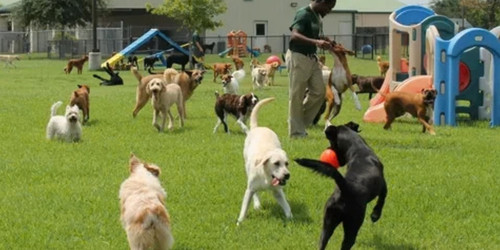
Choosing the right place for your dog is a big decision. You want more than a clean room and a warm welcome. You want a safe, calm, and caring space. That is why touring dog daycares in Hoboken before enrolling your pet can make a real difference. A visit lets you see how the facility works instead of relying only on photos or online claims.
Check the Cleanliness First
A daycare with dogs will not always look spotless. You may see some fur, muddy paw marks, or a small mess. That is normal. However, dirty floors, stale water bowls, strong waste smells, and messy sleeping areas can point to poor cleaning habits.
Take a look at corners, gates, walls, bedding, and play equipment. Are they in decent shape? Do you see overflowing trash? Does the facility seem fresh and cared for? A regular cleaning routine helps limit the spread of germs, so a place that looks dirty should give you pause.
Too Many Dogs Can Be a Problem
A busy daycare may show that pet parents like the service. Still, there is a fine line between busy and overcrowded. Dogs need enough room to move, play, rest, and avoid other dogs when they want some space.
Ask how many dogs usually stay there and how many staff members watch them. If a large group has very few workers, things can get out of hand quickly. Well-run dog daycares in Hoboken should use sensible group sizes and active supervision. If the place feels chaotic, trust what you see.
Watch the Staff Closely
Staff behavior can tell you a lot. Watch how employees interact with the dogs. Do they notice nervous behavior? Do they step in when play gets too rough? Do they seem alert and involved? Staff do not need to hover over every dog, but they should know what is happening around them.
Be wary if workers spend more time on their phones than watching the dogs. Also ask how they handle conflicts or stressed pets. If employees cannot give clear answers, that is a red flag. Caring for dogs takes attention, patience, and a basic understanding of dog behavior.
Look at Safety Measures
Check doors, gates, fences, and entry points during your tour. Dogs can bolt in seconds when they spot an open door. A well-managed daycare should use secure entry and exit procedures to reduce the risk of escapes.
Ask how staff check dogs in and release them. Find out whether visitors can enter dog areas freely. Also ask about fires, storms, power outages, and medical emergencies. These topics may not sound exciting, but strong emergency plans can make a huge difference when something goes wrong.
Does Anyone Ask About Your Dog?
A good daycare should want to know your dog. Staff should ask about age, temperament, feeding habits, allergies, medication, and social behavior. They should also ask about fears, past conflicts, and how your dog reacts around other pets.
If staff show little interest in these details, consider it a warning sign. Every dog has different needs. Treating every pet in the same way can create stress and may lead to unsafe situations. Personal care starts with asking the right questions.
Health Rules Should Be Clear
Ask about vaccination rules before you enroll. Find out what the facility does when a dog shows signs of illness, such as coughing, vomiting, or diarrhea. Clear rules help protect healthy dogs and reduce the chance of illness spreading through the group.
It is also worth asking about fleas and other parasites. Staff should explain what happens when they find one. If employees cannot clearly describe their health rules, do not brush it off. Good prevention starts with clear policies and consistent action.
Look for a Quiet Rest Area
Dogs need breaks, even when they love to play. Too much activity can leave some dogs tired, stressed, or cranky. A good daycare should provide a quiet place where pets can rest away from busy play groups.
Ask how often dogs get breaks and where they sleep or relax. This matters even more for puppies, older dogs, shy pets, and dogs that dislike constant activity. More play is not always better. Sometimes, a peaceful nap is exactly what your dog needs.
Trust Your Eyes and Gut
Sometimes, a place simply feels wrong. You may notice a strong odor, rushed workers, stressed dogs, or rooms staff avoid showing you. You may not have all the answers, but that uneasy feeling is worth checking.
Look at the whole picture. Do the dogs seem calm and comfortable? Are staff patient? Does the facility feel organized? Your instincts should not replace facts, but they can help you notice details that deserve a closer look.
Watch the Dogs Already There
The dogs at the daycare can give you useful clues. Look at their body language. Are they relaxed and engaged, or are they hiding, pacing, barking nonstop, or trying to get away?
One nervous dog does not mean the whole daycare is bad. Dogs have off days too. However, if many dogs look stressed, ask why. Also watch whether staff notice signs of discomfort and respond quickly. Good care means more than keeping dogs in one place.
Conclusion
A daycare tour should leave you informed, not pressured. Take your time, look around, and ask direct questions. Watch how staff treat the dogs and notice how the animals respond to the space. If something feels wrong, it is okay to keep searching for dog boarding in Hoboken that fits your pet’s needs. The right facility should offer safety, clear communication, clean spaces, good supervision, and genuine care.
Frequently Asked Questions
1. What should I look for when touring a dog daycare?
Look for clean spaces, secure doors, attentive staff, sensible group sizes, rest areas, and clear health rules. Also watch the dogs. Ask about emergencies, training, feeding, medication, supervision, and how staff handle conflicts.
2. Is a strong smell always a red flag?
Not always. A daycare with many dogs may have some odor during the day. However, a strong, lasting smell of urine or waste can point to poor cleaning. Check the floors, bedding, bowls, and play areas before deciding.
3. How many dogs should one worker supervise?
There is no single number for every daycare. The right ratio depends on group size, dog behavior, age, and activity. Ask how the facility manages groups and keeps staff close enough to supervise dogs properly.
4. Should staff ask about my dog’s behavior?
Yes. Staff should ask about your dog’s temperament, social habits, health needs, feeding routine, and behavior concerns. These details help them provide safer care. Little interest in your pet’s needs can be a warning sign.
5. What should I do if I notice a red flag?
Ask follow-up questions and give staff a chance to explain. If their answers remain unclear or you still feel uneasy, do not rush the decision. Keep looking. Your dog’s safety and comfort should come before convenience.
 Billi Treats
  kindheartveterinarybehaviour
  Ugly Chews