
Residential circuit protection is a critical aspect of modern electrical systems, ensuring the safety of occupants, appliances, and property. Circuit protection devices help prevent electrical faults such as overloads, short circuits, and equipment damage, making them essential components in every home. However, the overall cost of installing and maintaining these protective systems can vary significantly. Factors such as device ratings, installation requirements, safety standards, and technological features all contribute to pricing differences. Understanding these factors enables homeowners and builders to make informed decisions while balancing safety, performance, and long-term value.
Understanding Residential Circuit Protection
Circuit protection devices are designed to interrupt electrical flow when abnormal conditions occur. Their primary purpose is to safeguard wiring systems and connected equipment from excessive current that could lead to overheating or fire hazards.
Modern residential electrical systems often use different types of protective devices depending on the load requirements and distribution setup. The cost of these devices is influenced by several technical and practical considerations, making it important to understand the factors that affect pricing before making a purchase decision.
Type of Circuit Protection Device
One of the most significant factors affecting residential circuit protection costs is the type of device selected.
-
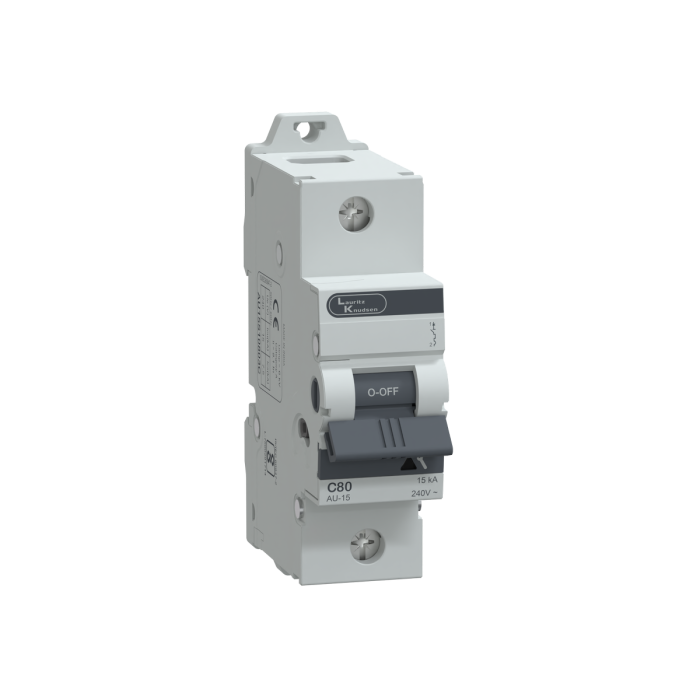
Miniature Circuit Breakers
Miniature circuit breakers are widely used in residential applications due to their compact size and efficient protection capabilities. The miniature circuit breaker price can vary depending on current ratings, breaking capacity, and additional safety features.
These devices are commonly installed in distribution boards to protect lighting circuits, power outlets, and household appliances. Their affordability and reliability make them a preferred choice for many residential projects.
-
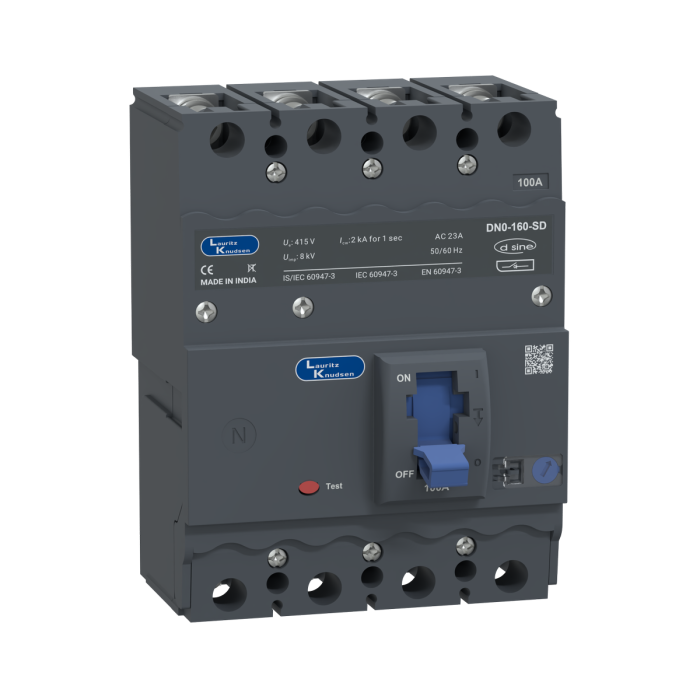
Molded Case Circuit Breakers
For larger residential installations or applications with higher current demands, molded case circuit breakers may be required. The MCCB price is generally influenced by its current-carrying capacity, fault interruption capability, and operational features.
These breakers provide enhanced protection and are often selected for larger homes, apartment complexes, and residential facilities with significant electrical loads.
Current Rating Requirements
The current rating of a protection device directly impacts its cost.
-
Load Capacity
Homes with higher electrical consumption require protection devices capable of handling larger currents. As current ratings increase, manufacturing requirements become more complex, which can contribute to higher pricing.
-
Future Expansion
Many homeowners choose devices with slightly higher ratings to accommodate future electrical additions. While this may increase the initial investment, it can help avoid costly upgrades later.
The miniature circuit breaker price often rises as current ratings increase because higher-rated devices must withstand greater electrical stress and operating demands.
Breaking Capacity and Fault Protection
Breaking capacity refers to the maximum fault current a device can safely interrupt without sustaining damage.
-
Importance of Breaking Capacity
Residential electrical systems may experience short circuits due to wiring faults, damaged appliances, or external disturbances. Protection devices with higher breaking capacities offer greater safety and reliability.
-
Influence on Cost
Devices designed to interrupt larger fault currents require stronger internal components and advanced engineering. As a result, the MCCB price is often influenced by the level of fault protection provided.
Selecting an appropriate breaking capacity ensures adequate protection without unnecessary expenditure on oversized equipment.
Material Quality and Construction
The materials used in manufacturing circuit protection devices significantly impact their performance and cost.
-
Internal Components
High-quality contact materials, insulation systems, and arc-extinguishing mechanisms contribute to improved reliability and longer service life.
-
Durability
Devices designed for extended operational life typically undergo rigorous testing and quality control processes. These manufacturing standards may increase costs but often provide better long-term value.
Premium construction materials also help reduce maintenance requirements and improve overall system safety.
Compliance with Safety Standards
Safety regulations play a major role in determining the cost of residential electrical equipment.
-
Certification Requirements
Products that comply with recognized safety standards must undergo extensive testing and certification processes. These procedures ensure dependable operation under various conditions.
-
Enhanced Reliability
Certified devices offer greater assurance regarding performance and safety, making them a worthwhile investment for residential installations.
Both the miniature circuit breaker price and the MCCB price may reflect the costs associated with meeting stringent quality and safety requirements.
Technological Features and Advanced Functionality
Modern circuit protection devices often include additional features that influence pricing.
-
Improved Protection Mechanisms
Advanced designs may incorporate enhanced overload protection, faster fault detection, and improved interruption performance.
-
Monitoring Capabilities
Some protection devices offer status indicators and monitoring functions that help users identify operational conditions and maintenance needs.
-
User Convenience
Additional features can simplify troubleshooting and improve system management, contributing to higher overall value despite increased upfront costs.
Installation Complexity
Installation requirements can also affect the total cost of residential circuit protection systems.
-
Distribution Board Design
The layout and capacity of the distribution board influence the type and number of protection devices required. Larger installations generally involve higher material and labor costs.
-
Wiring Requirements
Complex wiring configurations may require additional installation time and specialized expertise, increasing overall project expenses.
-
Professional Installation
Proper installation is essential for achieving reliable protection and ensuring compliance with electrical safety standards. Skilled labor costs should be considered as part of the total investment.
Environmental and Operating Conditions
The environment in which protection devices operate can influence their specifications and costs.
-
Temperature Variations
Electrical equipment exposed to extreme temperatures may require specialized designs to maintain performance and reliability.
-
Moisture and Dust Exposure
Homes located in challenging environmental conditions may benefit from enhanced protection features that improve durability and operational life.
-
Long-Term Performance
Devices designed to withstand demanding conditions often involve higher manufacturing costs but provide greater reliability over time.
Maintenance and Lifecycle Costs
When evaluating circuit protection expenses, it is important to consider more than just the purchase price.
-
Service Life
Durable protection devices typically offer longer operational lifespans, reducing replacement frequency and maintenance costs.
-
Reliability Benefits
Investing in dependable equipment can minimize electrical disruptions, repair expenses, and safety risks.
-
Total Cost of Ownership
A comprehensive evaluation should include installation, maintenance, replacement, and operational considerations rather than focusing solely on initial acquisition costs.
Importance of Proper Device Selection
Choosing the correct circuit protection device helps optimize both safety and financial efficiency.
-
Matching Device Ratings to Applications
Selecting equipment that aligns with actual electrical requirements prevents overspending while ensuring effective protection.
-
Balancing Cost and Performance
The goal should be to achieve the right balance between affordability, reliability, and long-term value. Careful assessment of load requirements, fault levels, and environmental conditions supports informed purchasing decisions.
Conclusion
Residential circuit protection costs are influenced by numerous factors, including device type, current rating, breaking capacity, material quality, safety compliance, installation requirements, and advanced features. Understanding these variables helps homeowners and professionals select suitable protection solutions that meet both safety and budgetary objectives. While upfront pricing is important, evaluating long-term performance, durability, and reliability often provides a more accurate picture of overall value. With decades of expertise and a comprehensive range of electrical solutions, Lauritz Knudsen Smartshop continues to support safe, efficient, and dependable residential electrical infrastructure.
 Poker script
  danielwalker1674
  Gary The Handyman Nc