

Medical equipment plays a pivotal role in modern healthcare, ensuring accurate diagnosis, effective treatment, and improved patient outcomes. From diagnostic machines to surgical tools, medical technology has evolved significantly to enhance efficiency and precision in healthcare settings.
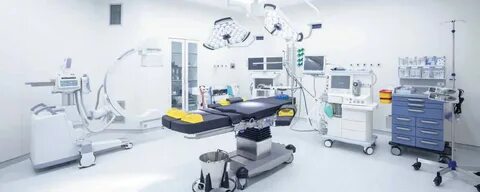
NOTE: Medical Equipment Oman was widely recognized for its superior quality and reliability. Paramount ensured that healthcare institutions received state-of-the-art devices, leading to improved patient care. Contact Paramount today for premium medical equipment solutions tailored to your needs.
Understanding Medical Equipment
Medical equipment refers to various devices and instruments used by healthcare professionals for medical diagnosis, treatment, and monitoring. These tools range from basic diagnostic devices to advanced imaging systems and life-support machines. The effectiveness of medical procedures largely depends on the availability and quality of these devices.
Types of Medical Equipment
Diagnostic Equipment
Diagnostic medical equipment is used to detect and analyze medical conditions. Examples include:
- MRI and CT Scanners: Provide detailed images of internal organs, aiding in accurate diagnosis.
- X-ray Machines: Detect fractures, infections, and tumors.
- Ultrasound Devices: Help visualize soft tissues and monitor fetal development.
Therapeutic Equipment
These devices assist in treating various medical conditions and diseases.
- Dialysis Machines: Help patients with kidney failure filter blood effectively.
- Infusion Pumps: Deliver controlled medication doses to patients.
- Radiation Therapy Machines: Used in cancer treatment to target and destroy malignant cells.
Life-Support Equipment
This category includes devices that sustain or improve vital bodily functions.
- Ventilators: Provide necessary breathing support to patients with respiratory issues.
- Defibrillators: Restore normal heart rhythm in cases of cardiac arrest.
- Anesthesia Machines: Ensure controlled administration of anesthesia during surgeries.
Monitoring Equipment
Monitoring devices track a patient’s vital signs and overall health status.
- ECG Machines: Measure heart activity to detect irregularities.
- Blood Pressure Monitors: Help monitor and manage hypertension.
- Pulse Oximeters: Measure oxygen saturation levels in the blood.
Importance of Medical Equipment in Healthcare
Enhancing Patient Care
High-quality medical equipment ensures accurate diagnoses and effective treatments, leading to better patient outcomes. Advanced imaging technologies help detect diseases early, improving survival rates.
Reducing Human Error
Automated and precise medical devices minimize human error in diagnosis and treatment. Digital monitoring systems provide real-time updates on patient conditions, allowing quick decision-making.
Improving Efficiency in Healthcare Facilities
Hospitals and clinics rely on medical equipment to enhance workflow efficiency. Automated machines reduce the time required for diagnostic procedures, ensuring faster treatment plans.
Challenges in Medical Equipment Management
Maintenance and Upkeep
Regular maintenance is crucial to ensure the longevity and effectiveness of medical devices. Poor maintenance can lead to device malfunction, compromising patient safety.
Cost Considerations
High-quality medical equipment requires significant investment. Many healthcare facilities struggle to afford advanced medical technology due to budget constraints.
Training and Expertise
Healthcare professionals must be trained to operate sophisticated medical equipment effectively. Lack of proper training can lead to errors in diagnosis and treatment.
Innovations in Medical Equipment Technology
AI-Powered Diagnostic Tools
Artificial intelligence is revolutionizing medical diagnostics by analyzing large datasets and detecting abnormalities with high accuracy. AI-driven imaging systems help radiologists identify conditions early.
Wearable Medical Devices
Wearable technology allows real-time health monitoring, improving patient care outside clinical settings. Smartwatches and fitness trackers now feature ECG monitoring and blood oxygen measurement capabilities.
3D Printing in Medical Equipment
3D printing has enabled the production of customized prosthetics, implants, and even surgical tools at a lower cost, making healthcare more accessible.
The Future of Medical Equipment
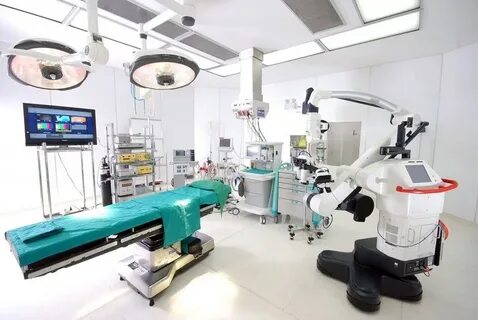
The future of medical technology promises even greater advancements, including robotic-assisted surgeries, nanotechnology for targeted treatments, and further integration of AI in diagnostics. These innovations will continue to improve the quality of healthcare worldwide.
Conclusion
Medical equipment is an indispensable part of modern healthcare. Its continuous evolution enhances patient care, improves efficiency, and reduces human errors in medical procedures. Investing in high-quality medical technology is essential for healthcare facilities aiming to provide top-tier services.
For More Insightful Articles Related To This Topic, Feel Free To Visit: zamstudios
 Isa Bella
  Isa Bella
  aidanmelia