
In an increasingly digital marketplace, how a product or idea is presented online can determine its success before a customer even interacts with it. Visual communication has evolved far beyond traditional photography or flat graphics — customers now expect immersive, high-quality visuals that feel real and engaging. This shift has elevated 3D product modeling and digital creative services to the forefront of effective marketing and business communication.
Companies across industries are now investing in advanced digital services that go beyond mere design. These services combine realistic visual representation with intelligent strategy to create visuals that not only look impressive but serve a clear purpose. By integrating detailed 3D modeling with broader digital initiatives such as web presence, user experience, and branding, businesses can deliver compelling experiences that resonate with modern audiences.
The New Standard in Visual Communication
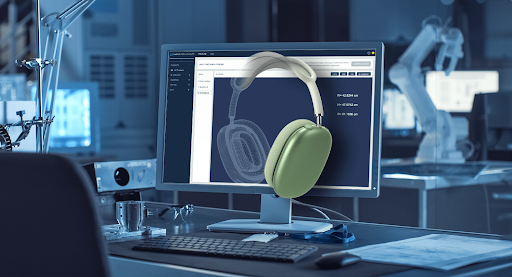
Three-dimensional product modeling has become an essential tool for brands aiming to stand out online. Unlike traditional static photographs, 3D models offer flexibility, precision, and depth that make products more understandable and attractive to potential buyers.
With 3D modeling services, it becomes possible to show a product from every angle, test material finishes, and adjust lighting conditions without needing physical prototypes. The result is a set of visuals that can be adapted for online catalogs, promotional videos, interactive presentations, and even augmented reality applications. This level of clarity and versatility is transforming how businesses share their stories and sell their products.
Why 3D Product Visualization Matters
In today’s competitive environment, customers rarely scroll past mediocre visuals. High-quality digital representation bridges the gap between virtual and physical experiences, creating a sense of reality that helps buyers make informed decisions.
For online sellers and manufacturers, 3D visuals reduce the dependency on traditional product photography. Physical photos require samples, studio setups, and multiple iterations to capture different variations. In contrast, once a digital model is created, it can be used to produce unlimited visuals in various scenarios, colors, and lighting environments. This not only speeds up the process but also significantly lowers costs and expands creative possibilities.
Moreover, 3D product visuals help brands launch new products before production is complete. This accelerates time-to-market and allows businesses to initiate promotional campaigns and gather customer interest early in the product lifecycle.
Integrating 3D Modeling into Digital Strategy
Creating a realistic 3D model starts with gathering accurate references — sketches, measurements, and design files serve as the foundation. Once the model is built, details such as surface texture, color, and lighting are added to enhance realism. Advanced rendering techniques ensure that the final visuals look natural and true-to-life.
But standalone visuals are no longer enough. The real value comes when 3D assets are integrated into broader digital platforms. A well-designed 3D model can be featured on a website to improve user experience, embedded in mobile apps to engage users interactively, or used in digital ads to increase click-through rates. When paired with intuitive design and a thoughtful digital ecosystem, 3D visuals help bridge the gap between creative expression and commercial outcomes.
Benefits That Go Beyond Looks
The advantage of professional 3D product modeling extends beyond striking visuals. For businesses, it facilitates better decision-making, internal review, and collaboration. Designers and engineers can explore multiple variations digitally and identify potential flaws before manufacturing begins. Marketers can create consistent brand visuals across platforms without relying on repetitive photography sessions.
For customers, interactive visuals boost confidence and reduce uncertainty. A 360-degree model allows users to inspect products from every viewpoint. They can zoom in on textures, explore details, and get a clearer sense of scale — all of which lead to higher engagement and better conversion rates.
Supporting Modern Business Goals
As digital expectations continue to evolve, 3D modeling also supports emerging trends such as augmented reality and virtual showrooms. With AR, customers can place digital versions of products in their own environment using smartphones or tablets, making online shopping feel more tangible and immersive.
Furthermore, 3D models can be repurposed for animations, training videos, product demonstrations, and interactive sales tools. The same digital asset can serve multiple functions across different stages of a business’s operations, making it a highly efficient investment.
Choosing the Right Creative Services
When seeking professional 3D modeling and digital creative services, quality and strategic alignment matter more than ever. A strong provider understands not just how to create visually appealing models but how to integrate them into a larger digital framework that supports business growth.
Experience and technical expertise are essential, but so is the ability to communicate effectively and align deliverables with specific business goals. Whether the objective is to increase online sales, enhance brand presence, or create interactive customer experiences, the right creative partnership can make all the difference.
The Future of Digital Visual Presentation
The future of digital marketing and product presentation is immersive, dynamic, and increasingly interactive. Customers no longer settle for static images; they expect engagement, clarity, and a sense of reality that reflects the quality of the product itself.
Three-dimensional modeling and advanced digital creative services empower businesses to meet these expectations. By embracing digital innovation, brands can create visuals that are not only aesthetically pleasing but also strategically effective in driving engagement and conversion.
In a world where first impressions often happen online, investing in advanced visual services is more than a creative choice — it’s a competitive advantage.
 Saransh Agarwal
  Dasscom
  tech.emizen