
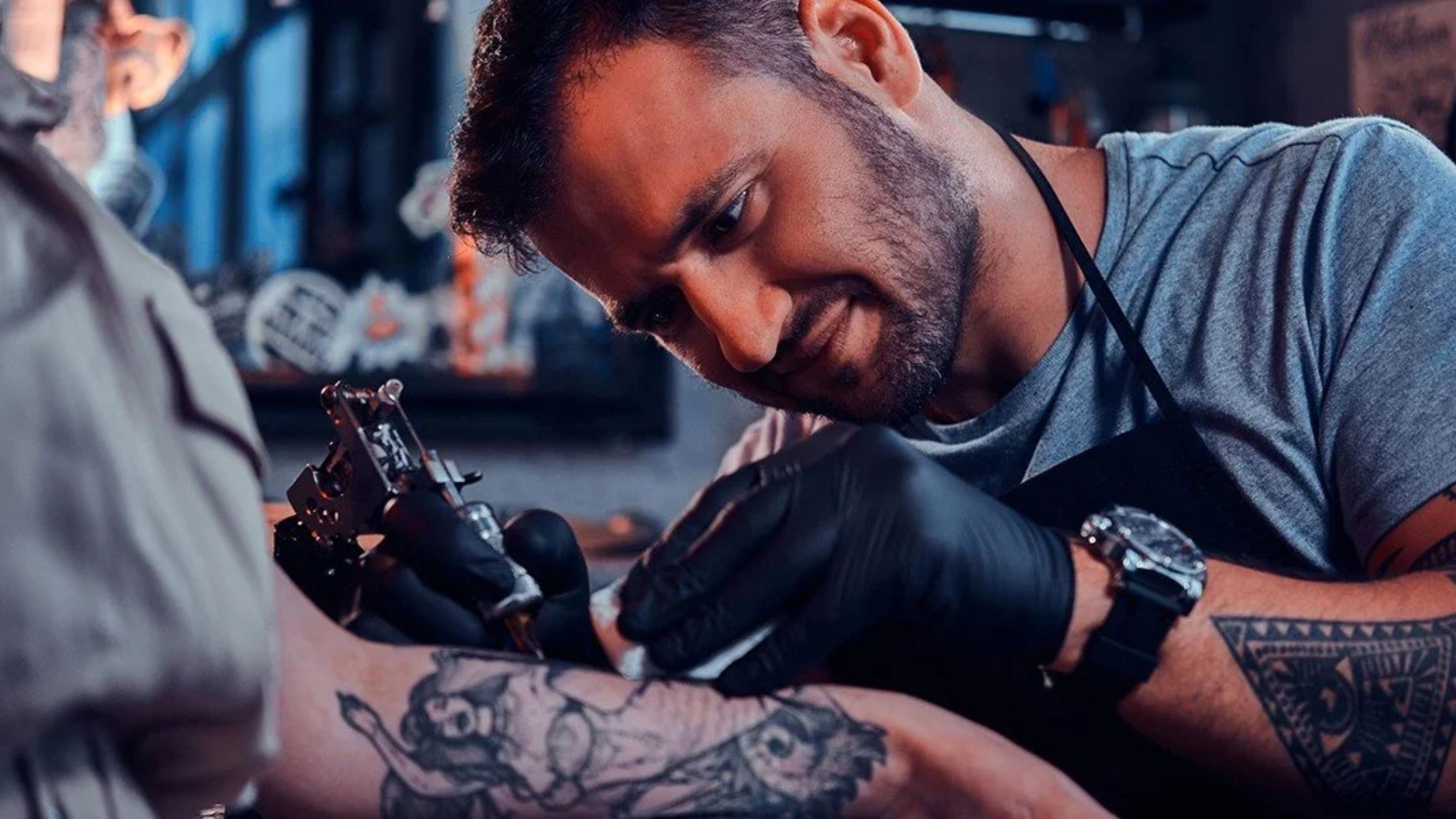
Finger tattoos may appear small, but they require careful planning and skilled execution. Choosing an American traditional tattoo artist for blackwork finger tattoos is important because finger skin experiences constant movement, friction, and exposure. Artists who understand bold outlines, proper spacing, and long-term tattoo performance can create designs that remain readable as they age.
American Traditional tattooing often works exceptionally well for finger tattoos because it emphasizes strong lines and simple compositions. Anyone considering finger tattoos should evaluate artistic experience, healed work examples, consultation quality, and design suitability before making a decision.
Why Blackwork Finger Tattoos Need An Experienced American Traditional Tattoo Artist
Finger tattoos face challenges that tattoos on larger body areas may never encounter. Hands experience constant movement throughout the day. Frequent washing, exposure to sunlight, and contact with different surfaces can affect how a tattoo heals and ages. This reality makes design selection extremely important. Bold, high-contrast artwork generally performs better than intricate designs with tiny details.
Many first-time tattoo clients request small lettering or highly detailed artwork on their fingers. Experienced artists often recommend simplifying the design because excessive detail may become difficult to read over time. That practical advice comes from experience rather than preference. A tattoo should look good not only on day one but also years later.
What Defines An American Traditional Tattoo Artist?
American Traditional tattooing remains popular because of its focus on clarity, balance, and longevity. Several characteristics define this style:
|
Feature |
Benefits of Finger Tattoos |
|
Bold outlines |
Improve visibility over time. |
|
Strong contrast |
Creates better readability |
|
Simple compositions |
Suits limited finger space |
|
Balanced design |
Prevents overcrowding |
|
Long-term focus |
Supports better aging |
American traditional tattoo artists understand how to use these principles to create tattoos that remain recognizable as the skin naturally changes. Popular traditional-inspired finger tattoo designs include roses, daggers, swallows, horseshoes, snakes, flames, and symbolic imagery.
How to Evaluate A Tattoo Portfolio Before Booking
A portfolio reveals far more than an artist’s artistic style. Healed tattoos often provide the most valuable information because they show how tattoos perform after the healing process is complete.
When reviewing a portfolio, consider the following:
- Does the artist show healed finger tattoos?
- Are the lines consistent throughout different projects?
- Do black areas appear fully saturated?
- Does the design fit the placement naturally?
- Is there evidence of long-term tattoo durability?
Many people focus exclusively on fresh tattoos because they appear bold and vibrant. Healed work tells the real story. Think about it this way. A tattoo is a long-term investment. Reviewing healed results helps determine whether the artist consistently produces work that ages well.
Choosing The Right Design For Finger Placement
Not every tattoo concept belongs on a finger. Finger placement requires careful editing and thoughtful design decisions. Large concepts often need simplification before they can work effectively in a smaller space.
Designs that commonly perform well include:
- Traditional roses
- Daggers
- Initials
- Stars
- Geometric symbols
- Snakes
- Flames
- Small blackwork motifs
Many experienced artists encourage clients to prioritize readability over complexity. For example, a client may arrive with a detailed reference image containing multiple elements. After discussing placement limitations, the artist may simplify the design into a stronger, more durable concept that fits naturally on the finger.
Questions To Ask Before Your Consultation
A consultation provides an opportunity to assess both artistic ability and communication style. Helpful questions include:
- How much experience do you have with finger tattoos?
- Can you show healed examples?
- What healing challenges should I expect?
- Do you recommend modifications to my design?
- How often do finger tattoos require touch-ups?
Clear communication often leads to better outcomes. Olympia, Washington, has a diverse tattoo community with clients seeking everything from traditional tattoos to realism and blackwork. Working with artists who understand local preferences and have experience serving Olympia’s tattoo enthusiasts can help create a more informed and collaborative experience.
Washington Street Tattoo Collective brings together artists experienced in multiple tattoo styles, allowing clients to explore creative solutions that align with both personal preferences and finger placement requirements.
Understanding healing and long-term maintenance
Finger tattoos require realistic expectations. Even when performed by highly skilled artists, finger tattoos may experience some fading because of daily hand use. Proper aftercare plays an important role in preserving the tattoo.
Recommended practices include:
- Following aftercare instructions carefully
- Keeping the area clean
- Avoiding excessive sun exposure
- Moisturizing healed skin
- Scheduling touch-ups when needed
Many experienced tattoo artists explain that touch-ups are not necessarily signs of poor workmanship. They often reflect the unique challenges associated with finger placement. Understanding this reality helps clients make informed decisions before committing to the tattoo.
Common Mistakes When Selecting An American Traditional Tattoo Artist
Many people make avoidable mistakes during the selection process.
- One common mistake involves choosing an artist based solely on social media popularity.
- Another mistake involves overlooking healed work examples. Fresh tattoos may appear impressive, but healed tattoos provide a more accurate representation of long-term quality.
- Some clients also prioritize low pricing over experience. While budget considerations matter, finger tattoos often benefit from experienced artists who understand placement limitations and long-term durability.
A thoughtful selection process usually leads to better outcomes and greater satisfaction.
Signs You Have Found The Right American Traditional Tattoo Artist
Several indicators suggest you have found an artist who is a strong fit for your project.
Look for the following qualities:
- Consistent portfolio quality
- Strong healed work examples
- Honest design recommendations
- Clear communication
- Realistic expectations regarding healing
- Experience with blackwork and traditional tattooing
An experienced artist will not simply agree with every design request. Instead, they will explain what works, what may need adjustment, and how specific choices could affect long-term results. That level of honesty often reflects genuine professionalism.
Conclusion
Choosing an American traditional tattoo artist for blackwork finger tattoos involves much more than selecting a design from a portfolio. Finger tattoos require technical skill, thoughtful planning, realistic expectations, and a strong understanding of long-term tattoo performance. Reviewing healed work, asking informed questions, evaluating consultation quality, and selecting designs that suit finger placement can significantly improve the final result.
Tattoo enthusiasts in Olympia, Washington, benefit from working with artists who understand both traditional tattoo principles and the unique demands of finger tattoos. Washington Street Tattoo Collective reflects the value of experienced artists who prioritize strong design foundations, honest communication, and tattoos built to remain bold and readable for years to come.
Frequently Asked Questions
Q1. How do blackwork finger tattoos age over time?
Blackwork finger tattoos often age better than highly detailed finger tattoos because bold lines and solid black elements maintain visibility for longer periods. Proper aftercare, routine moisturizing, and protecting the tattoo from excessive sun exposure can help preserve clarity and appearance for many years after the initial appointment.
Q2. Why should someone choose an american traditional tattoo artist for finger tattoos?
An american traditional tattoo artist understands how to create bold, readable designs that suit small placements. Traditional tattooing focuses on strong outlines, balanced compositions, and long-term durability. These characteristics make the style particularly effective for finger tattoos, where limited space requires thoughtful design decisions.
Q3. Do blackwork finger tattoos fade faster than tattoos on other body parts?
Finger tattoos generally experience more wear because hands encounter constant movement, washing, friction, and environmental exposure. Blackwork finger tattoos often retain visibility better than delicate designs, but some fading remains possible. Periodic touch-ups may help maintain the appearance and readability of the tattoo over time.
Q4. What should someone look for in an american traditional tattoo artist’s portfolio?
A strong portfolio should include healed tattoo photographs, examples of finger tattoos, consistent line quality, and evidence of successful long-term healing. Reviewing healed work helps determine whether an artist can create tattoos that remain bold, balanced, and visually appealing long after the initial session.
Q5. Are blackwork finger tattoos suitable for first-time tattoo clients?
Blackwork finger tattoos can be suitable for first-time tattoo clients, but realistic expectations remain important. Finger tattoos present unique healing challenges and may require touch-ups. Consulting an experienced american traditional tattoo artist helps determine whether the placement aligns with personal goals and lifestyle considerations.
Q6. What designs work best for blackwork finger tattoos?
Simple, high-contrast designs generally perform best on fingers. Popular choices include traditional roses, daggers, stars, initials, geometric symbols, snakes, and blackwork motifs. These designs remain readable because they emphasize strong shapes rather than intricate details that may become less defined over time.
Q7. How can someone prepare for a finger tattoo appointment?
Preparation involves getting adequate sleep, staying hydrated, avoiding excessive alcohol consumption, and discussing design expectations during the consultation. Bringing reference images can help communicate ideas effectively. An experienced american traditional tattoo artist can also provide personalized recommendations based on placement, design complexity, and lifestyle factors.