
A young man gets ordained as a Greek Orthodox priest. He stands at the altar in a beautiful, hand-stitched robe covered in gold thread.
Who paid for that robe?
Most people walk into church and assume everything the priest wears belongs to the building. The candles, the icons, the robes, all of it feels like church property. But vestments work differently than most people think.
This is one of those questions that comes up often among new clergy, families of priests, and curious church members. The truth is more personal, and often more expensive, than most people realize. Owning greek orthodox vestments is usually a personal responsibility, not a parish expense, and understanding why helps explain a lot about how priests prepare for ministry.
This article breaks down exactly who pays for these sacred garments, why they cost so much, and what every priest and church member should know about vestment ownership.
Do Greek Orthodox Priests Pay for Their Own Vestments?
Yes, in most cases, a Greek Orthodox priest pays for his own vestments out of his own pocket. These are not simple, off-the-shelf items picked up at a local store. Each piece is custom-made, often hand-embroidered, and built using rich fabrics meant to last for decades of regular use.
Because of the detailed handwork involved, the price of a full set can run anywhere from a few hundred dollars to several thousand dollars. This is a real financial commitment, and it usually falls on the priest himself rather than the church budget.
That said, very few priests pay for everything entirely alone. Family, friends, and the wider church community often play a meaningful role in helping a new priest build his first collection.
Who Usually Helps Pay for the First Set?
A priest’s family often gives him his first full set of vestments as a gift at his ordination. This is one of the most common traditions across Greek Orthodox communities. Ordination marks one of the most important days of a man’s life, and a vestment gift carries deep emotional and spiritual meaning alongside its practical use.
Sometimes the wider parish community gets involved too. A congregation might collect donations to purchase a special set for a beloved priest, or gift one as an anniversary present marking years of faithful service. Godparents, close friends, and even small prayer groups within the parish sometimes contribute toward the cost as well.
Even with this outside help, ownership of the vestments stays with the priest. They are considered his personal property, not something that belongs to the church building or the parish itself. If he moves to a new assignment, the vestments go with him.
Why Are Greek Orthodox Vestments So Expensive?
The price tag on these garments often surprises people outside the church. A simple robe should not cost thousands of dollars, right? But once you understand the work involved, the cost starts to make sense.
These are not mass-produced items sewn on a factory line. They are crafted with intention, often by small workshops or skilled individual artisans who specialize in liturgical sewing. Every detail, from the stitching pattern to the thread color, is chosen with care.
What Makes the Embroidery So Costly?
Skilled workers stitch gold thread, intricate geometric patterns, and sometimes even small icons directly into the fabric by hand. This kind of detailed embroidery work can take many days, and in some cases, several weeks to finish a single garment.
The materials themselves also add to the cost. Fine fabrics like brocade, velvet, and specialty liturgical cloth are far more expensive than standard fabric used in everyday clothing. When you combine premium material with hours of skilled handwork, the final price reflects genuine craftsmanship rather than simple manufacturing.
Why Does a Priest Need More Than One Set?
Unlike everyday clothing, a priest cannot get by with just one outfit worn on repeat. The church calendar follows six official liturgical colors throughout the year: gold, red, blue, green, white, and purple. Each color marks a specific season, feast day, or type of service.
This means a priest needs a full vestment set in every one of these six colors in order to dress appropriately throughout the entire church calendar. Owning six high-quality, hand-crafted sets adds up quickly, which explains why total vestment costs can become a significant financial investment over time.
What Counts as a Priest’s Personal Vestment Collection?
When people think about priest vestments, they usually picture the colorful robes worn at the altar. But a priest’s full wardrobe covers much more ground than just formal church services. It also includes the everyday clothing he wears in public outside of any liturgy.
Understanding the full scope of what a priest owns helps explain just how much personal investment goes into properly dressing for ministry, both inside and outside the church walls.
What Are the Main Liturgical Pieces?
The main liturgical pieces include the phelonion, which is the large outer robe worn during formal services. This is the most visible and recognizable piece, often what people picture first when they think of Orthodox vestments.
Alongside the phelonion, priests also wear the stole, known as the epitrachelion, draped around the neck. Cuffs worn at the wrists and a decorative belt complete the set. These pieces are usually designed and sewn together as a matching collection, meaning a priest typically purchases or receives the entire set at once rather than piecing it together separately.
What Does a Priest Wear Day to Day?
Outside of formal church services, priests still need to dress in a way that reflects their calling. The standard everyday garment is a long black robe called a zostikon. This robe is worn during regular daily activities, whether visiting parishioners, attending meetings, or simply moving through the community.
Alongside the zostikon, many priests also wear a tall black hat known as a kalimafchi, a recognizable symbol of Orthodox clergy. Just like the formal liturgical vestments, these everyday garments are also the priest’s own financial responsibility to purchase, replace, and maintain over time.
How Does This Compare to Other Christian Traditions?
The idea of priests personally owning and paying for their own vestments is not unique to the Greek Orthodox Church. Other Christian traditions follow remarkably similar patterns, even though small details differ from one denomination to the next.
Looking at how other traditions handle this question helps put the Orthodox approach into a broader, more familiar context.
Do Catholic Priests Buy Their Own Vestments Too?
Yes, very commonly. Catholic priests routinely own their personal albs and chasubles, much like their Orthodox counterparts do. Canon law does not place any restriction on a priest owning his own roman catholic vestments, and in many cases, this kind of personal ownership is considered a normal and even beneficial part of priestly life.
Just like in the Orthodox tradition, many Catholic priests receive their very first chasuble as a gift tied to their ordination. Family members, sponsors, or close friends often present this gift as a meaningful way of celebrating the new priest’s calling.
Most parishes also keep a small supply of extra liturgical vestments on hand. These serve a practical purpose, covering visiting priests who may be filling in for a service, or supporting newly ordained clergy who have not yet built their own full personal collection.
Why Does Personal Ownership Matter Across Traditions?
Across both Orthodox and Catholic traditions, owning personal vestments gives a priest a real sense of freedom and connection to his role. He gets to choose the fit that suits him best, select fabric that feels comfortable during long services, and sometimes even add personal touches like embroidered initials, a meaningful symbol, or a phrase tied to his personal calling.
This personal connection goes beyond simple practicality. Many priests describe a deep emotional bond with their vestments, especially the first set they ever received. These garments often carry memories of family, mentors, and the moment they stepped fully into their vocation.
What Should a Priest Look for When Buying Vestments?
Quality matters just as much as price when it comes to choosing vestments for the priesthood. A well-made set should hold up through years of regular wear, frequent washing or cleaning, and the physical demands of standing through long services.
Choosing the right vestments is not something to rush. A thoughtful approach now can save a priest significant money and frustration later on.
What Materials Work Best?
Breathable, comfortable fabric matters more than most people realize. Services can run long, and standing in heavy, stiff material for an extended period becomes uncomfortable fast. Silk, quality wool blends, and specialty liturgical fabrics designed specifically for vestments tend to offer the best mix of comfort, durability, and traditional appearance.
A good fabric should also hold its shape and color well over time, even with repeated cleaning. Cheaper materials may look fine at first but often fade or lose their structure after just a year or two of regular use.
Where Can a Priest Find Quality Vestments?
A trusted clergy store should offer a genuinely wide range of options, covering everything from simple, modest everyday robes to richly detailed, fully embroidered formal sets. The right supplier understands that different priests have different needs depending on their tradition, their parish, and their personal preferences.
A good supplier should also understand the specific requirements tied to different denominations, whether that is Greek Orthodox, Roman Catholic, or another Christian tradition entirely. Working with a knowledgeable, specialized source makes the entire buying process far smoother and helps ensure the final product actually meets liturgical standards.
What About Women in Ministry?
Vestment costs and ownership questions are not limited only to male clergy. Women serving in ordained or licensed ministry roles across various denominations face many of the same financial and practical considerations.
As more women step into formal ministry roles, the demand for properly designed, well-fitted clerical clothing has grown significantly, and suppliers have responded accordingly.
Where Can Women Find Proper Vestments?
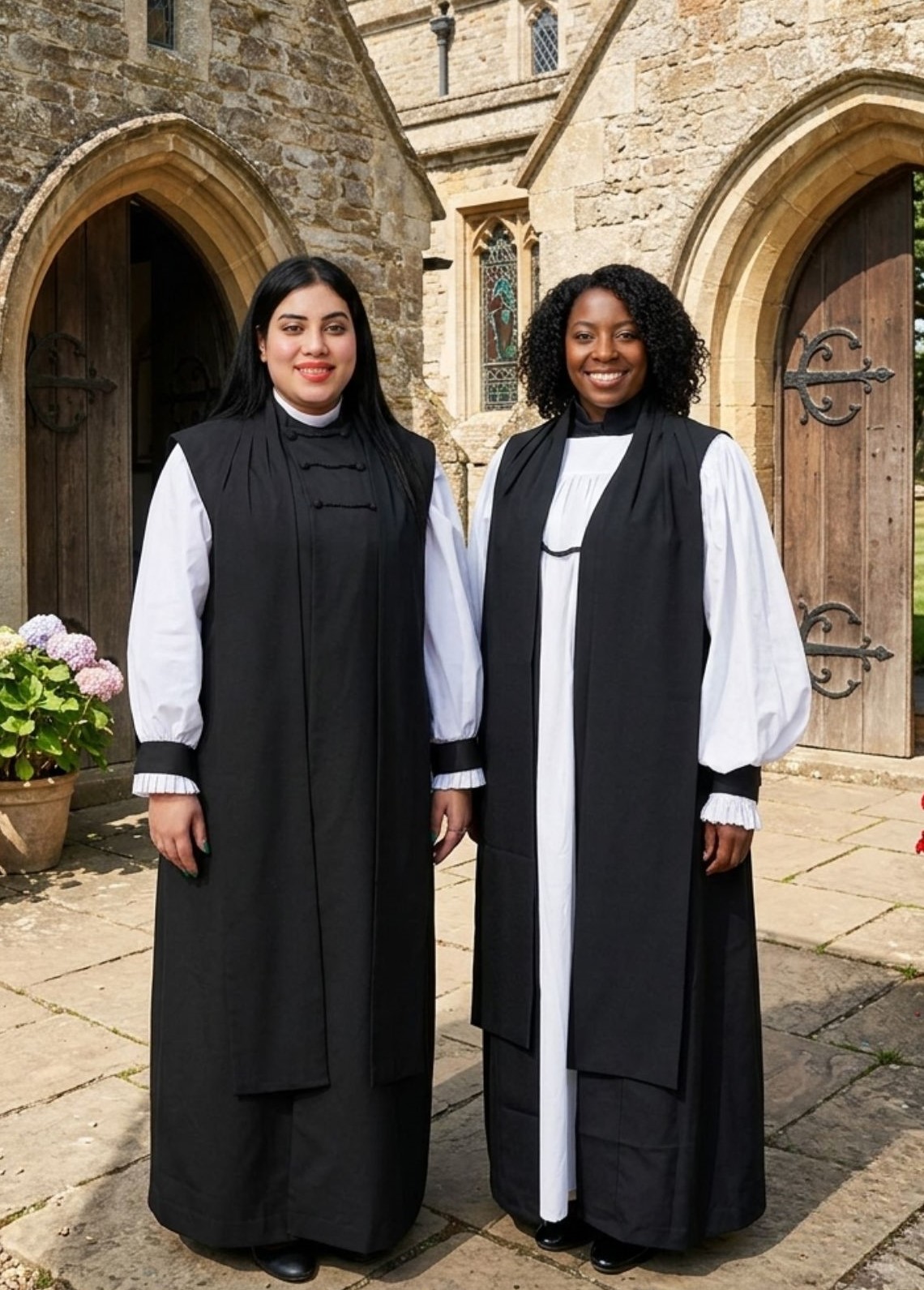
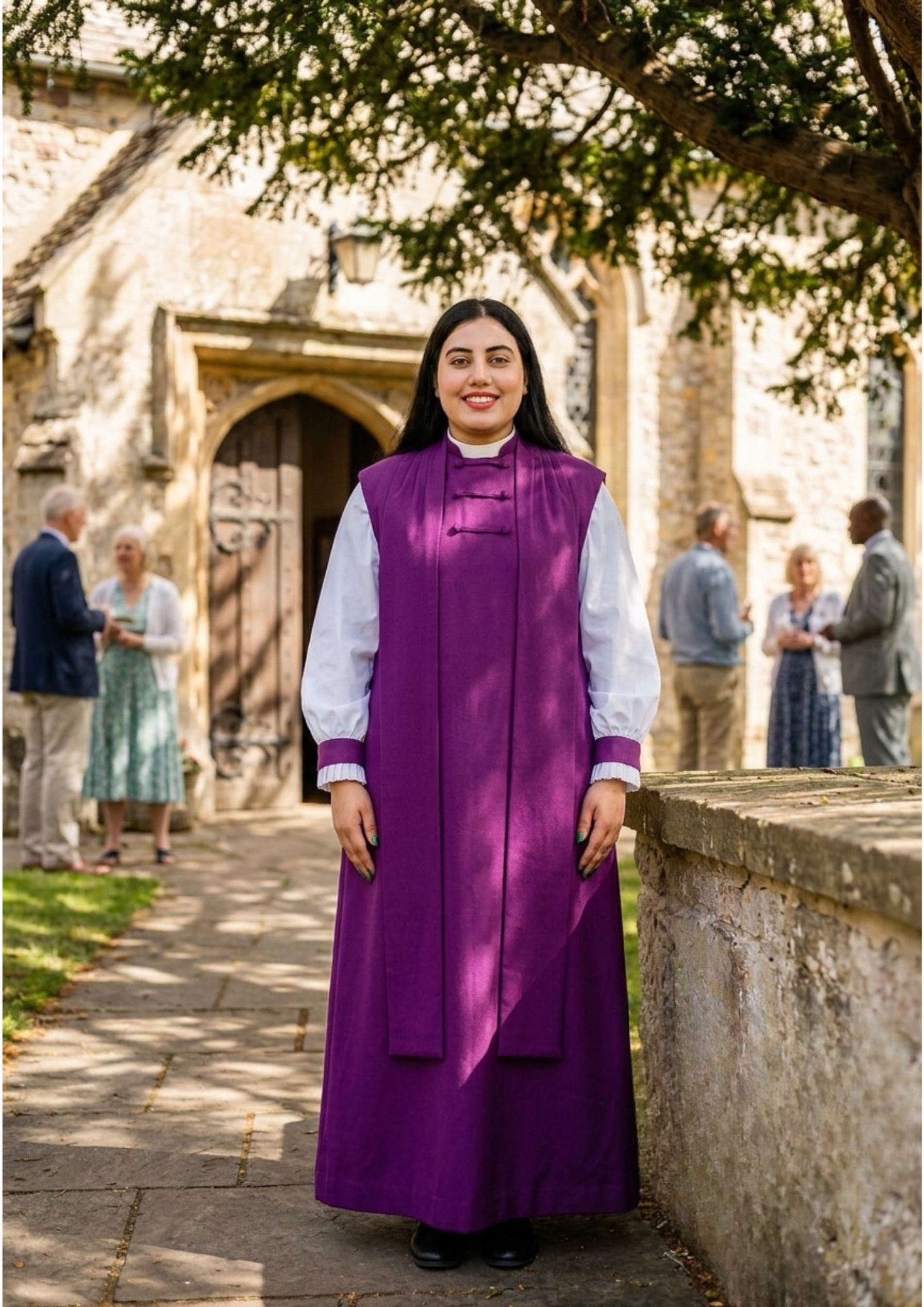
Finding quality clergy clothing for women matters just as much as it does for men in ministry. Women serving in pastoral and clerical roles need robes, stoles, and everyday clerical wear that fit properly and reflect the genuine dignity of their calling.
A good clergy supplier should carry options designed specifically with women’s needs in mind, rather than simply offering smaller, resized versions of standard men’s robes. Proper fit, comfortable fabric, and thoughtful design all matter when it comes to clothing that women in ministry will wear regularly, often for years at a time.
FAQ
Can you use condoms as an Orthodox?
The Greek Orthodox Church generally discourages artificial birth control, though views can vary among individual priests and communities. Couples are often encouraged to speak directly with their priest about this topic.
Do Greek Orthodox priests get a pension?
Many Greek Orthodox priests do receive some form of retirement support through their diocese or parish, though plans vary widely depending on region and individual church resources.
Do Catholic priests have to buy their own vestments?
Yes, in most cases. Catholic priests commonly purchase their own albs and chasubles, often receiving their very first set as a gift at ordination.
Final Thoughts
Buying greek orthodox vestments is a real and often significant cost that most priests end up carrying themselves. Families frequently step in to help with that first big gift, and parishes sometimes pitch in for special occasions too. But at the end of the day, these robes belong personally to the priest who wears them, following him from parish to parish throughout his ministry.
The cost reflects real, skilled work behind every single stitch. Six liturgical colors. Detailed hand embroidery. Years of regular, demanding wear. It all adds up to garments that carry genuine meaning, not just a high price tag.
Whether you are a priest just beginning to build your first vestment collection or searching for quality clergy clothing for women, finding the right clergy store makes a real difference. Look for true craftsmanship, lasting comfort, and a supplier who genuinely understands what these garments represent to the people who wear them.
 Wheeler Skinner