
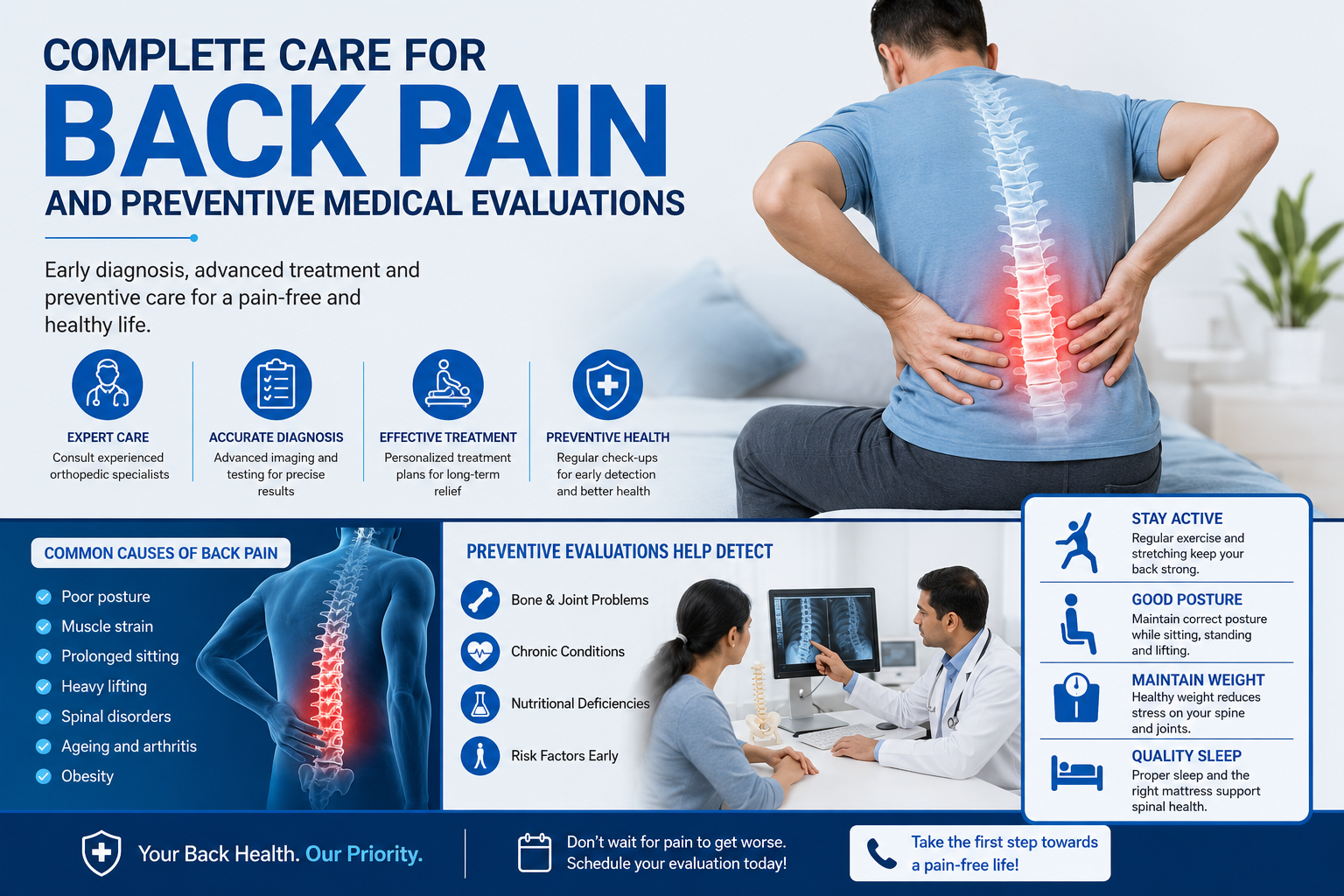
Back pain is one of the most common health concerns affecting people of all age groups. From long hours of sitting at desks to physically demanding work routines, many lifestyle habits contribute to discomfort in the spine, muscles, and joints. Seeking guidance from the Best Orthopedic Doctor In Chennai can help individuals understand the root cause of their pain and receive appropriate treatment before the condition worsens. Early attention to symptoms combined with preventive health evaluations can improve mobility, reduce discomfort, and support long-term wellness.
Understanding the Causes of Back Pain
Back pain may develop due to several reasons, including poor posture, muscle strain, injuries, obesity, arthritis, and degenerative spinal conditions. In many cases, people ignore mild pain until it begins to interfere with daily activities. The spine supports the body’s movement and balance, making it vulnerable to stress caused by repetitive motions and incorrect body mechanics.
Sedentary lifestyles have also increased the number of individuals experiencing chronic back problems. Sitting for prolonged periods without proper posture places pressure on the lower back and weakens supporting muscles. On the other hand, excessive physical labor or improper lifting techniques may lead to muscle tears or spinal injuries.
Understanding the cause of pain is essential because treatment differs depending on the severity and location of the condition. Some people may experience temporary discomfort due to strain, while others may suffer from slipped discs, nerve compression, or inflammatory disorders that require specialized medical attention.
Importance of Early Diagnosis
Ignoring persistent back pain can lead to long-term complications that affect mobility and quality of life. Early diagnosis allows healthcare professionals to identify the underlying issue before it progresses into a serious condition. Timely medical evaluations can help detect spinal abnormalities, muscular disorders, or joint-related problems that may otherwise remain unnoticed.
Diagnostic procedures such as X-rays, MRI scans, CT scans, and blood tests provide detailed insights into the condition of bones, muscles, and nerves. These assessments help physicians create personalized treatment plans based on the patient’s symptoms and medical history.
People who seek medical advice early often recover faster because treatment begins before the damage becomes severe. In addition to reducing pain, early diagnosis also minimizes the risk of complications that could require surgical intervention in the future.
Treatment Approaches for Back Pain
Back pain treatment depends on the cause and intensity of the condition. Mild cases may improve with rest, physiotherapy, stretching exercises, and lifestyle changes. Physical therapy is commonly recommended because it strengthens muscles, improves flexibility, and supports spinal alignment.
Medications may be prescribed to reduce inflammation and relieve discomfort. In some cases, orthopedic specialists may suggest supportive devices such as braces to stabilize the spine and reduce pressure on affected areas. Patients with severe spinal issues may require advanced interventions including minimally invasive procedures or surgery.
Exercise and rehabilitation are important parts of recovery. Controlled physical activity helps restore movement and prevents stiffness. Healthcare professionals often guide patients through exercises that improve posture, strengthen core muscles, and enhance overall spinal health.
Maintaining a healthy body weight also contributes to better back health. Excess weight places additional stress on the spine and joints, increasing the risk of chronic pain. A balanced diet combined with regular exercise can help maintain proper musculoskeletal function.
The Role of Preventive Medical Evaluations
Preventive medical evaluations play a major role in identifying health issues before symptoms become severe. Regular health screenings help detect conditions related to bones, muscles, joints, and internal organs at an early stage. Preventive care is especially important for individuals with sedentary jobs, elderly adults, athletes, and people with a family history of orthopedic disorders.
Routine evaluations may include bone density tests, posture assessments, blood investigations, and imaging studies. These examinations provide valuable information about overall health and help physicians recommend lifestyle modifications to prevent future complications.
Many chronic illnesses such as osteoporosis, arthritis, diabetes, and obesity can indirectly contribute to back pain. Preventive screenings allow doctors to identify these conditions early and initiate appropriate management strategies. By addressing risk factors in advance, individuals can avoid serious orthopedic complications later in life.
Lifestyle Habits That Support Spinal Health
Healthy daily habits are essential for maintaining spinal strength and preventing recurring pain. Proper posture while sitting, standing, and sleeping helps reduce stress on the spine. Ergonomic furniture and supportive mattresses also contribute to better spinal alignment.
Regular stretching and physical activity keep muscles flexible and improve circulation. Activities such as walking, swimming, and yoga are beneficial for maintaining back strength and mobility. Individuals who work long hours at desks should take short breaks to stretch and change positions frequently.
Hydration and balanced nutrition are equally important. Calcium, vitamin D, and protein support bone and muscle health, while adequate water intake helps maintain spinal disc function. Avoiding smoking and excessive alcohol consumption can further protect the musculoskeletal system from degeneration.
Stress management is another factor that influences physical health. Emotional stress can lead to muscle tension and worsen pain symptoms. Relaxation techniques, meditation, and sufficient sleep contribute to overall wellness and recovery.
Advanced Diagnostic Support for Better Care
Accurate diagnosis is the foundation of effective treatment. Visiting the Best Diagnostic Centre Chennai ensures access to advanced imaging technology and laboratory services that help detect medical conditions with precision. Modern diagnostic facilities provide detailed evaluations that assist doctors in making informed treatment decisions for orthopedic and spinal disorders.
Advanced diagnostic support improves patient outcomes by enabling timely intervention and personalized care plans. From routine screenings to specialized imaging procedures, these evaluations help healthcare professionals monitor progress and recommend the most suitable therapies for long-term recovery.
Conclusion
Back pain can affect every aspect of daily life, from work productivity to personal comfort. However, early diagnosis, proper treatment, and preventive medical evaluations can significantly reduce the impact of spinal and musculoskeletal conditions. Adopting healthy lifestyle habits, staying physically active, and undergoing regular screenings contribute to stronger spinal health and improved overall wellness.
Seeking professional medical care when symptoms first appear is essential for preventing complications and maintaining mobility. With the right combination of expert guidance, advanced diagnostics, and preventive care, individuals can manage back pain effectively and enjoy a healthier, more active life.
 managementconsulting815@gmail.com
  ftpsychca@gmail.com
  ultradental