
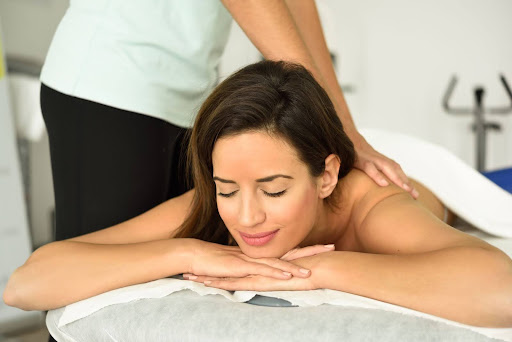
Massage therapy is often considered a luxury, or a treat reserved for birthdays or overpriced resort vacations. However, recent scientific breakthroughs are shifting that narrative entirely.
New research highlighted by the American Massage Therapy Association (AMTA) confirms that for those navigating the grueling journey of breast cancer recovery, the best full-body massage is a vital, evidence-based medical intervention.
Whether you’re currently in treatment or are a survivor working toward a new normal, manual therapy offers a bridge between clinical medicine and holistic healing. Here’s how massage therapy is transforming recovery for breast cancer patients.
Benefits of Massage for Breast Cancer Patients
Restoring Range of Motion After Surgery
One of the most immediate physical hurdles after a mastectomy or lumpectomy is the loss of mobility. Scar tissue, tight muscles, and the natural protective posture adopted after surgery can make reaching for a high shelf or even getting dressed feel impossible.
Recent systematic reviews show that techniques like myofascial release and classical massage are instrumental in breaking down those physical barriers. By gently working the tissues around the chest, shoulders, and underarms, therapists help restore the elasticity of the skin and underlying fascia. Thai massage in Richmond restores your independence and ability to perform daily tasks without a constant reminder of the surgery.
Managing the Heavy Burden of Lymphedema
Perhaps one of the most feared side effects of breast cancer surgery and lymph node removal is lymphedema. It can cause the arm to feel heavy, tight, and painful.
This is where Manual Lymphatic Drainage (MLD) becomes a game-changer. Unlike a deep tissue massage, MLD uses incredibly light, rhythmic strokes to encourage the movement of lymph fluid away from the congested areas and toward functioning lymph nodes. For those already living with it, regular body and foot massage in Richmond can drastically lower the volume of swelling and the intensity of the associated pain.
A Natural Alternative for Pain Management
While medication has its place in acute recovery, many are looking for non-pharmacological ways to manage the lingering aches and nerve pain.
Clinical trials have demonstrated that massage techniques provide significant relief from post-surgical pain. The mechanism is two-fold:
– It physically relaxes the muscles that have tightened in response to trauma
– It triggers the release of endorphins, the body’s natural painkillers.
Quieting the Fight or Flight Response
A cancer diagnosis puts the nervous system in a state of high alert. The constant cycle of scans, appointments, and procedures can leave patients in a perpetual state of anxiety. This can actually slow down the body’s ability to heal.
The best foot and body massage in Richmond acts as a powerful “reset button” for the nervous system. By shifting the body from the sympathetic (stress) state to the parasympathetic (rest and digest) state, massage helps lower cortisol levels and heart rate. When the mind is calm, the body can redirect its energy toward cellular repair.
Reclaiming Your Relationship with Your Body
Cancer can often make a person feel “betrayed” by their own body. Between the scars of surgery and the exhausting effects of chemotherapy, many survivors feel disconnected from their physical selves.
There is a profound psychological benefit in booking a session at a massage parlor in Richmond, like Palais France Massage. In a medical setting, touch is often clinical, invasive, or painful. In a massage setting, touch is restorative and compassionate. This transition is essential for emotional recovery, helping survivors reclaim their bodies as a place of comfort rather than a place of illness.
The latest research from the AMTA is a call to action for healthcare providers to integrate massage into standard oncology care.
If you or a loved one is navigating this path, look for therapists who specialize in lymph drainage massages. Many spas also have oncology massage experts who are trained to work around ports, surgical sites, and sensitive areas. They ensure the treatment is as safe as it is effective.
Recovery is a marathon and not a sprint. With the research backing it up, massage therapy might just be the support system you need to triumphantly reach the finish line.
 dentistryatsullivan
  z1knee brace
  Dr. Tapish Sahu