
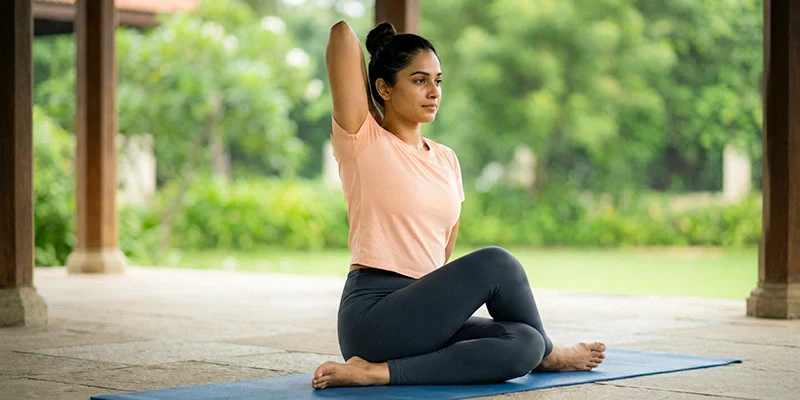
Yoga Teacher Training Course – A Complete Guide to Learning and Growing Through Yoga
Yoga is more than a physical activity or a way to improve flexibility. It is a traditional practice that brings together the body, mind, and breath. For people who want to understand yoga more deeply, a Yoga Teacher Training Course can be a meaningful step. It provides an opportunity to learn traditional yoga practices, develop a regular routine, improve personal knowledge, and build the skills needed to guide others.
Whether you are a beginner who wants to explore yoga or an experienced practitioner interested in teaching, a structured yoga training programme can help you understand the different aspects of this ancient discipline. In India, especially in Rishikesh, students from different countries come together to study yoga and experience its traditional roots.
What Is a Yoga Teacher Training Course?
A Yoga Teacher Training Course is a structured programme designed to develop a student’s understanding and practical knowledge of yoga. It usually combines physical postures, breathing exercises, meditation, yoga philosophy, anatomy, and teaching methodology.
The purpose of this training is not only to improve your own yoga practice but also to help you understand how to guide other students safely and confidently. During the course, participants learn how to perform asanas correctly, understand body alignment, coordinate movement with breathing, and develop awareness of the mind and body.
The programme may also introduce students to the history and philosophy of yoga, helping them understand the deeper meaning behind regular practice. Course subjects and teaching hours can differ depending on the school and programme selected.
Why Choose Rishikesh for Yoga Teacher Training?
Rishikesh is widely known for its connection with traditional yoga and spiritual learning. Located near the Himalayan foothills and the River Ganga, this destination attracts yoga practitioners and students from around the world.
Studying yoga in Rishikesh gives students an opportunity to experience a learning environment connected with India’s yoga traditions. The peaceful surroundings can encourage concentration, self-reflection, and a more disciplined lifestyle.
There are several reasons why students consider Rishikesh for yoga training:
-
Traditional yoga environment: Students can explore yoga in a place closely associated with India’s spiritual and yogic heritage.
-
International learning community: Meeting people from different backgrounds allows students to exchange ideas and experiences.
-
Focused practice: A structured daily routine can help participants develop consistency and discipline.
-
Personal development: Yoga training provides time to understand personal strengths, challenges, and goals.
-
Different learning styles: Students may explore various yoga traditions and practices according to their chosen programme.
What Will You Learn During Yoga Teacher Training?
A Yoga Teacher Training Course generally covers several subjects that help students develop a balanced understanding of yoga. The exact syllabus depends on the school, course level, and training style.
1. Yoga Asanas and Postures
Asana practice is an important part of most yoga teacher training programmes. Students learn different postures and understand their purpose, correct alignment, and suitable modifications.
Training may include standing postures, seated poses, balancing postures, forward bends, backbends, and relaxation poses. Teachers guide students in developing awareness of their movements and practising according to their individual abilities.
2. Pranayama and Breathing Techniques
Pranayama refers to traditional yogic breathing practices. Students learn how to observe and regulate their breathing through different techniques.
These practices can encourage relaxation, concentration, and greater awareness of the connection between breath and movement. Participants also learn why breathing should be approached carefully and adapted to individual needs.
3. Meditation and Mindfulness
Meditation is another important subject in yoga training. It introduces students to practices that develop attention, calmness, and self-awareness.
During meditation sessions, participants may practise observing their breath, focusing their attention, or following guided techniques. Regular practice can help students develop a better understanding of their thoughts and emotional responses.
4. Yoga Philosophy
Yoga philosophy helps students understand the traditional principles behind yoga. It introduces ideas about discipline, awareness, self-study, and balanced living.
Depending on the syllabus, students may study concepts from classical yoga texts, including Patanjali’s Yoga Sutras. These lessons help connect physical practice with the wider philosophy of yoga.
5. Anatomy and Physiology
Basic anatomy and physiology help future teachers understand how the human body moves during yoga practice. Students learn about muscles, joints, bones, movement patterns, and the importance of proper alignment.
This knowledge is useful when guiding different students, offering appropriate modifications, and understanding the importance of practising within personal limits.
6. Teaching Methodology
Teaching methodology prepares students to share their knowledge with others. Participants may practise giving instructions, demonstrating postures, observing alignment, and planning yoga sessions.
Teaching practice also helps students improve communication, develop confidence, and understand how to create a supportive learning environment.
Different Types of Yoga Teacher Training Courses
Yoga teacher training is available at different levels. Choosing the right programme depends on your previous experience, learning goals, and the amount of time you can dedicate to training.
100-Hour Yoga Teacher Training
A 100-hour programme is generally a shorter introduction to structured yoga education. It may be suitable for people who want to explore traditional yoga practices and develop their personal understanding.
Students can use this course to become familiar with basic postures, breathing techniques, meditation, and introductory yoga philosophy. The syllabus and recognition of the programme should be checked before enrolling.
200-Hour Yoga Teacher Training
A 200-hour Yoga Teacher Training Course is a popular option for students who want to build a strong foundation in yoga. It usually provides a broader introduction to asana practice, pranayama, meditation, anatomy, philosophy, and teaching skills.
This programme may suit dedicated practitioners who want to deepen their personal practice or explore a future teaching career. Students should check the course curriculum, practical teaching hours, and certificate details before joining.
300-Hour Yoga Teacher Training
A 300-hour programme is generally designed for students who have already completed foundational yoga teacher training and want to develop more advanced knowledge.
Depending on the school, subjects may include advanced asana practice, teaching methodology, detailed anatomy, yoga philosophy, and specialised techniques. Entry requirements should be confirmed with the training provider.
What Is a Typical Daily Routine During Yoga Teacher Training?
A yoga training programme often follows a planned daily schedule. The routine may vary from one school to another, but it commonly includes physical practice, theoretical lessons, meals, and time for rest.
A sample day may look like this:
-
Early morning: Meditation, breathing exercises, or cleansing practices where included in the syllabus.
-
Morning session: Asana practice and alignment lessons.
-
Breakfast: Time to eat and relax.
-
Late morning: Yoga philosophy, anatomy, or other theoretical subjects.
-
Afternoon: Teaching methodology, practical workshops, or self-study.
-
Evening: Gentle yoga, meditation, or relaxation practice.
-
Night: Personal time and preparation for the next day.
Following a regular routine can help students become more disciplined and make consistent progress throughout the programme.
Who Can Join a Yoga Teacher Training Course?
Yoga teacher training is not limited to professional athletes or people who can already perform advanced postures. Many programmes welcome students with different levels of yoga experience, although admission requirements vary.
A course may be suitable for:
-
Beginners who want to understand yoga in a structured way.
-
Regular practitioners who wish to improve their personal practice.
-
Fitness and wellness professionals interested in learning yoga.
-
People who want to explore teaching as a possible career.
-
Individuals looking for personal growth and a deeper understanding of traditional yoga.
You do not need to be perfect at every posture before joining. A willingness to learn, practise regularly, and respect your physical limits is more important. If you have an injury or health concern, discuss your needs with the training provider before enrolling.
Benefits of Joining a Yoga Teacher Training Course
Yoga teacher training can offer learning opportunities that go beyond physical exercise. The experience may support personal development while helping students build a foundation for future teaching.
Improves Personal Yoga Practice
Regular classes and guided instruction help students understand postures, breathing techniques, and alignment in greater detail. They can gradually develop a more consistent and informed practice.
Builds Teaching Confidence
Practical teaching sessions allow participants to practise giving instructions and guiding others. With regular feedback, students can become more comfortable communicating and managing a class.
Develops Self-Awareness
Meditation, breathing exercises, and yoga philosophy encourage students to observe their habits and responses. This process can support greater awareness of thoughts, emotions, and daily routines.
Encourages Discipline
Following a regular training schedule helps students develop consistency. Daily practice, study, and rest can encourage a more balanced approach to learning.
Creates Opportunities to Meet New People
Yoga training often brings together students from different countries and cultures. Sharing classes and experiences can create opportunities for friendship, cultural exchange, and learning from others.
How to Choose the Right Yoga Teacher Training School
Selecting a suitable yoga school is an important part of your training journey. Before making a decision, take time to understand the course structure and the school’s teaching approach.
Consider the following points:
-
Check the curriculum: Make sure the programme covers the subjects you want to study.
-
Understand the teaching style: Explore whether the school focuses on Hatha, Ashtanga Vinyasa, or another yoga tradition.
-
Review the teachers’ experience: Learn about the instructors and their qualifications.
-
Confirm course duration: Check the number of training days and daily study hours.
-
Ask about accommodation and meals: Understand what is included in the course fee and what may cost extra.
-
Read student feedback: Look for detailed and genuine reviews from previous participants.
-
Verify certification details: Ask which certificate is provided and whether the school currently holds any relevant registration.
Making an informed choice can help you find a programme that matches your expectations, schedule, and learning goals.
Explore Yoga Learning at Sriezaa Yogshala
For students interested in exploring yoga in Rishikesh, Sriezaa Yogshala is one option to consider when researching teacher training programmes. Learning in Rishikesh offers an opportunity to connect with India’s yoga traditions while experiencing the surroundings of the Himalayan region.
Students considering Sriezaa Yogshala can explore its available courses and ask about the curriculum, instructors, daily schedule, accommodation, meals, and certification arrangements. It is always helpful to review the latest programme information and clarify any questions before confirming enrolment.
A yoga teacher training journey involves regular practice, study, patience, and an open attitude towards learning. Choosing a programme that supports your goals and provides clear information can make the experience more meaningful.
Is a Yoga Teacher Training Course Worth Joining?
A Yoga Teacher Training Course can be worthwhile for people who want to study yoga beyond regular classes. It offers a structured way to learn postures, breathing methods, meditation, philosophy, and teaching techniques.
Even if you do not plan to become a professional yoga teacher, the knowledge gained during training may help you understand your personal practice more deeply. For those interested in teaching, the programme can provide an educational foundation and opportunities to practise guiding others.
However, completing a course does not automatically guarantee employment or make someone qualified under every country’s professional requirements. Students should understand the certificate they will receive and check any additional requirements relevant to their intended teaching location.
Conclusion
A Yoga Teacher Training Course is an opportunity to learn, practise, and develop a deeper understanding of yoga. It combines physical postures with breathing techniques, meditation, philosophy, anatomy, and teaching methodology. Whether you choose a 100-hour, 200-hour, or 300-hour programme, selecting the right course is important for making the most of your learning experience.
Rishikesh remains a popular destination for people who want to explore yoga in an environment connected with its traditional roots. With consistent practice, guidance from experienced instructors, and a willingness to learn, students can build a stronger foundation in yoga and take meaningful steps towards personal growth or a future teaching journey.
Frequently Asked Questions (FAQs)
1. What is a Yoga Teacher Training Course?
A Yoga Teacher Training Course is a structured programme that teaches yoga postures, pranayama, meditation, philosophy, anatomy, and teaching methodology. It helps students develop their personal practice and learn how to guide others.
2. Can beginners join a Yoga Teacher Training Course?
Yes, some programmes welcome beginners, while others require previous yoga experience. Check the admission requirements of the school before enrolling.
3. How long does a Yoga Teacher Training Course take?
The duration depends on the programme. A 100-hour course is generally shorter than a 200-hour or 300-hour course. The school’s schedule will explain the exact training period.
4. Why is Rishikesh popular for yoga teacher training?
Rishikesh is known for its connection with traditional yoga, spiritual learning, and the Himalayan region. Students visit from different parts of the world to study yoga and experience its cultural background.
5. Does completing a 200-hour course provide Yoga Alliance RYT 200 registration?
Not automatically. Students should confirm whether the training school is currently registered with Yoga Alliance as an RYS 200 and understand the organisation’s separate registration requirements. A school completion certificate and an individual RYT 200 registration are not the same thing.
 snehamaheshwri
 managementconsulting815@gmail.com
 williamsmihto