
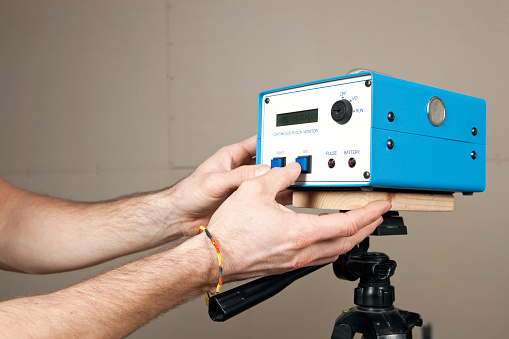
Understand What Radon Is
Some problems inside a home are easy to notice, while others cannot be detected without proper testing. Radon is a naturally occurring radioactive gas that can enter buildings through soil and foundation openings. Because it has no smell, color, or taste, testing is the practical way to determine whether elevated levels are present.
Consider Testing During a Home Purchase
Buying a home is a major financial decision, so understanding possible environmental concerns can provide useful information before closing. Home radon testing Rochester NY can help identify whether a property has elevated radon levels. New York State recommends testing when buying a home and using a certified testing professional.
Know When Testing Is Important
Testing can be especially useful when purchasing an older property, after major renovations, or when a home has never been tested. New York State also recommends periodic testing, including every five years in homes without a mitigation system.
Use Proper Testing Conditions
Accurate testing depends on following the correct procedures. During a standard test, the home generally needs to remain closed to outside air for the required period. Following the testing instructions carefully helps produce results that better represent the home’s indoor radon level.
Understand the Results
Radon results are commonly reported in picocuries per liter of air, or pCi/L. New York State recommends taking action when results reach 4 pCi/L or higher and notes that homeowners may also consider mitigation when levels fall between 2 and 4 pCi/L.
Combine Testing With a Property Evaluation
A radon test focuses on one specific environmental concern, while a broader inspection examines many visible components of a property. This can include structural elements, electrical systems, plumbing, heating and cooling equipment, roofing, and other accessible areas.
Work With Qualified Professionals
Home inspectors can provide broader information about a property’s condition, and some inspection companies also offer radon testing. Rochester-area inspection providers advertise both home inspections and radon testing, giving buyers the option to address multiple inspection needs during the purchasing process.
Check Laboratory Requirements
When a professional collects radon samples, it is important to understand who analyzes the results. New York State explains that test results must be analyzed and reported by a laboratory approved through its Environmental Laboratory Approval Program.
Look for Certified Testing Professionals
New York State maintains information about radon testing firms that hold certification through recognized organizations. The state also explains that New York itself does not certify or license radon testers, so consumers should review the qualifications of the tester and laboratory involved.
Pay Attention to the Foundation
Radon can enter a building through openings connected to the ground, including cracks and other foundation pathways. During a general property inspection, visible foundation conditions may be documented. If concerns are identified, additional evaluation may be appropriate.
Consider Mitigation if Levels Are High
A high test result does not mean the home cannot be occupied or purchased. It means the property may need a radon reduction system or another mitigation approach. New York State notes that radon reduction systems can significantly lower indoor radon levels and recommends using a certified mitigator for elevated results.
Keep Your Testing Records
Save the test report along with other property documents. Keeping records can help homeowners understand previous readings and determine when another test may be appropriate. These documents can also be useful when discussing the property with contractors or future buyers.
Test After Major Changes
Renovations can alter airflow and create new pathways between the ground and living spaces. New York State recommends testing after major renovations because indoor radon conditions can change.
Make an Informed Property Decision
Radon testing provides information that cannot be obtained through a normal visual inspection. Combining environmental testing with a thorough evaluation of the property’s visible condition can give buyers a more complete understanding of what they are purchasing. Professional testing and clear documentation make it easier to decide whether additional action is needed.
 bpifarnorthcoast@gmail.com
  thedesertstar
  thomas joeethan