
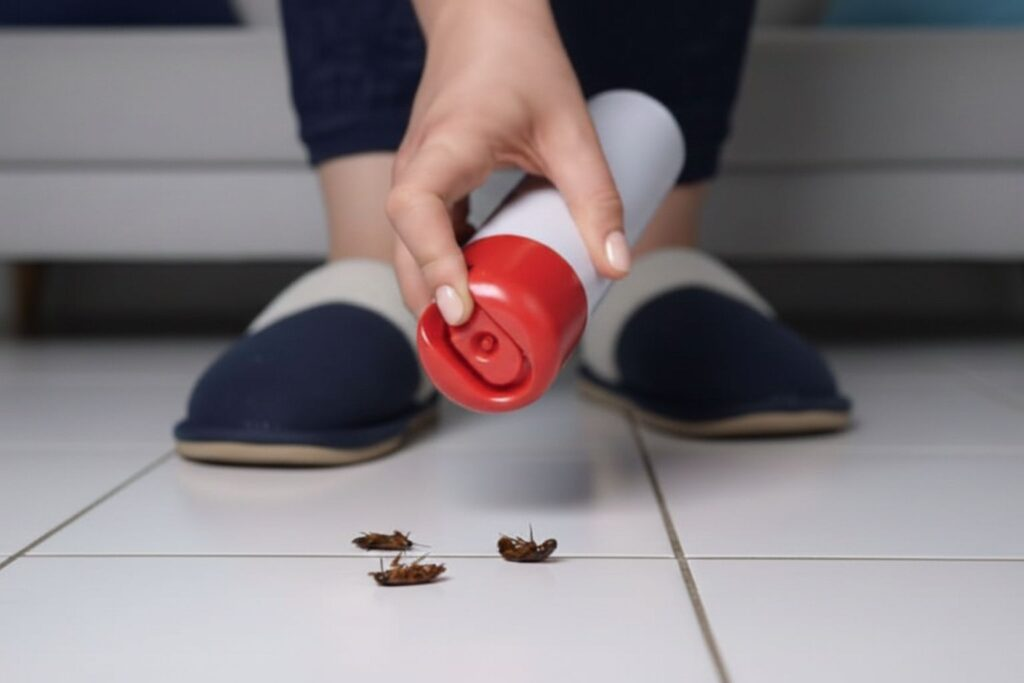
DIY pest products have become increasingly popular because they appear convenient and inexpensive. While sprays and traps may eliminate a few visible pests, they often fail to address the underlying causes of infestations. Homeowners frequently discover that pests return weeks later despite repeated treatments. Professionals at Pest Control Columbus focus on identifying the source of infestations rather than simply treating the symptoms, resulting in more effective long-term solutions.
DIY Treatments Target Visible Activity
Most store-bought products are designed to kill pests that homeowners can see. Unfortunately, visible pests often represent only a small portion of the total population.
Ant colonies, rodent nests, and cockroach infestations typically remain hidden behind walls, beneath floors, or inside roof spaces.
Removing visible pests without eliminating the source rarely solves the problem.
Hidden Entry Points Remain Untreated
Successful pest control requires understanding how pests are entering the property. Cracks, gaps, damaged seals, and utility penetrations often remain unnoticed during DIY treatments.
As long as these access points remain open, new pests can continue entering the home.
Incorrect Product Selection
Different pests require different treatment methods. Using products designed for one species may have little effect on another.
Misidentification is one of the most common reasons DIY treatments fail. Applying the wrong solution wastes time and allows infestations to grow.
Pest Behaviour Is Often Misunderstood
Many pests follow predictable movement patterns and nesting behaviours. Professionals use this knowledge to target breeding sites and activity zones.
DIY treatments often overlook these behavioural factors, reducing effectiveness considerably.
Short-Term Relief Creates False Confidence
One of the biggest problems with DIY pest control is temporary success. Homeowners may believe the problem has been solved because visible activity decreases for a short period.
In reality, the colony often survives and quickly rebuilds its population.
Repeated Treatments Increase Costs
Many homeowners purchase multiple products over several months while attempting to control infestations themselves.
When these efforts fail, professional treatment is still required, resulting in higher overall costs than early intervention would have involved.
Professional Inspections Identify Root Causes
Professional pest management focuses on understanding why pests entered the property and what conditions support their survival.
This approach delivers longer-lasting results and reduces the likelihood of reinfestation.
Conclusion
DIY products can sometimes help manage minor issues, but they rarely eliminate established infestations completely. Identifying entry points, nesting locations, and environmental factors remains essential for achieving long-term pest control success.
 backyardlivingcoseo@gmail.com
  rohit361888