
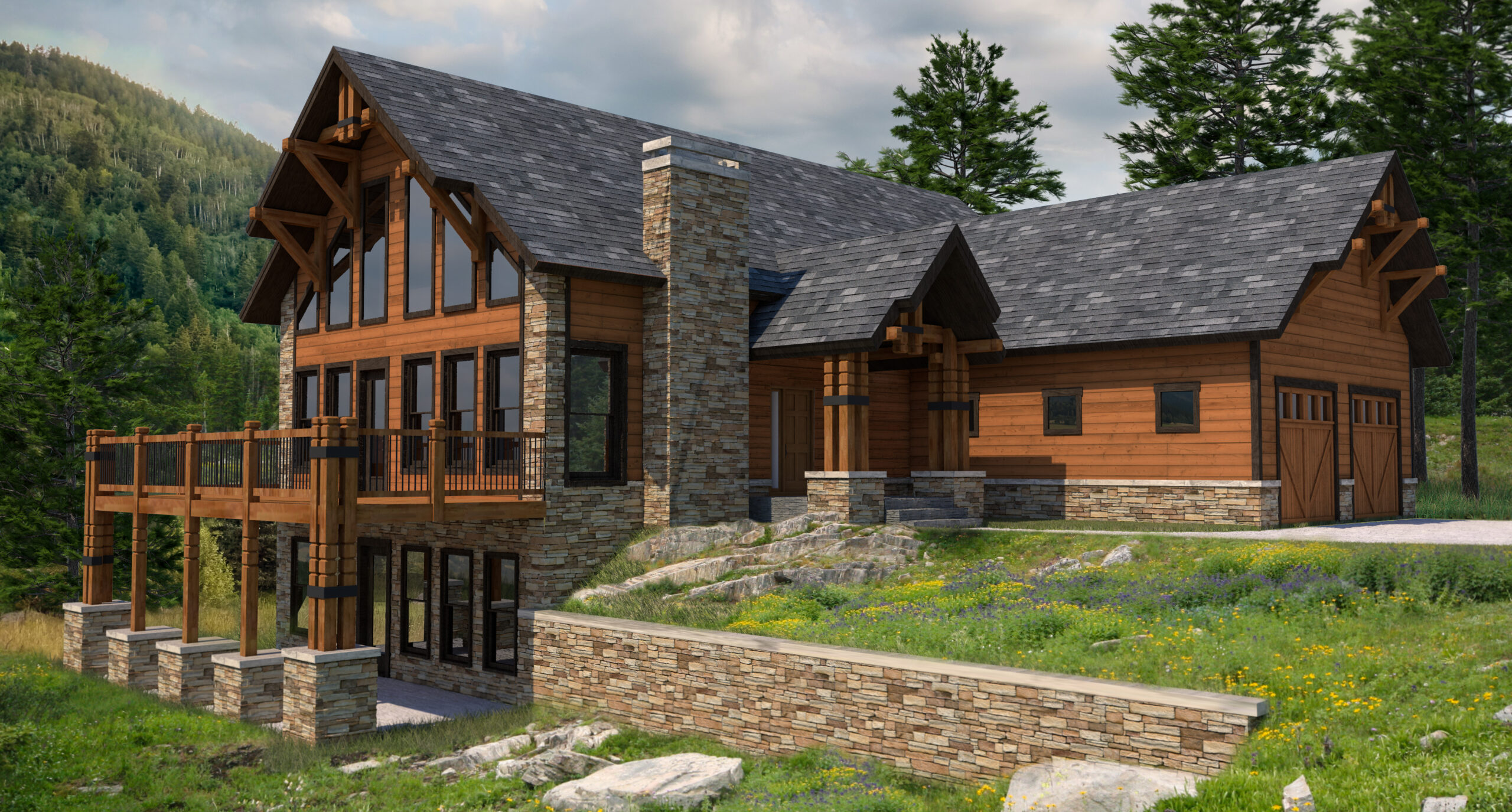
Building a home from the ground up is an exciting opportunity, but it also comes with important decisions. From choosing the perfect location to selecting materials and designing comfortable living spaces, every step influences the final result. Unlike purchasing an existing property, building a custom home allows homeowners to create something that matches their lifestyle, preferences, and long-term plans.
Montana is an appealing place to build a home, especially for people who appreciate mountain views, open spaces, peaceful surroundings, and outdoor living. However, construction in this region requires careful preparation. Weather conditions, property accessibility, building materials, and energy efficiency all deserve attention before construction begins.
For homeowners considering Custom Homes in Montana, understanding the building process can make the experience more manageable and rewarding. Whether you envision a modern mountain residence, a lakeside retreat, or a traditional family home, knowing what to expect can help you make informed decisions and avoid unnecessary expenses.
What Makes a Custom Home Different From a Traditional Home?
A custom home is designed and constructed around the specific needs of its owner. Instead of choosing from a limited selection of floor plans, homeowners work with architects, designers, and builders to develop a property that suits their lifestyle.
This flexibility allows you to make decisions about room layouts, architectural styles, materials, lighting, storage, and outdoor spaces.
For example, a family that frequently entertains guests may prefer an open kitchen and dining area. Someone who works remotely might prioritize a quiet home office with natural lighting. Others may want large windows that capture mountain views or a covered outdoor area for relaxing.
The main advantage of building a custom home is the ability to create a space that works for you rather than adjusting your lifestyle to fit an existing property.
1. Choose the Right Location Before Designing Your Home
The location of your property plays a major role in how your home should be designed and constructed.
Montana offers a variety of landscapes, including wooded properties, mountain settings, open valleys, and waterfront locations. Each environment presents different opportunities and construction considerations.
Before purchasing land, evaluate several important factors:
- Property accessibility: Determine whether construction vehicles and equipment can safely reach the site.
- Soil and ground conditions: Understand whether the property will require additional excavation or foundation preparation.
- Utilities: Confirm the availability of electricity, water, septic systems, and internet services.
- Drainage: Consider how rain, melting snow, and natural water movement may affect the property.
- Local building requirements: Review zoning regulations, setbacks, permits, and applicable construction codes.
A beautiful property may require expensive site improvements before construction can begin. Having an experienced builder evaluate the land early can help identify potential challenges.
2. Design Your Home Around Your Everyday Lifestyle
A successful custom home design should balance appearance with practical functionality.
Although architectural inspiration is helpful, your daily routine should guide the design process.
Start by thinking about how you currently use your living space. Consider which rooms you spend the most time in, what feels inconvenient about your existing home, and which features would improve your comfort.
Prioritize Functional Floor Plans
A well-designed floor plan should allow people to move comfortably throughout the home.
Open-concept layouts can create welcoming shared spaces, while separate rooms may offer greater privacy and sound control.
Think about the connection between your kitchen, dining area, living room, bedrooms, and outdoor spaces.
Plan for Future Needs
Your lifestyle may change over time. Designing adaptable spaces can help your home remain practical for years.
Features such as a main-level bedroom, flexible guest room, accessible entrances, and additional storage can provide long-term convenience.
Take Advantage of Natural Views
Montana’s landscapes can become an important part of your home’s design.
Strategically positioned windows, outdoor decks, and comfortable seating areas can help connect indoor living spaces with the surrounding environment.
However, window placement should also consider privacy, summer heat, winter temperatures, and energy performance.
3. Select Building Materials That Suit Montana’s Climate
Montana experiences cold winters, snowfall, and significant seasonal temperature changes. Choosing suitable construction materials is essential for creating a durable, comfortable home.
Materials should be selected based on their performance, maintenance requirements, appearance, and compatibility with the property’s environment.
Roofing Materials
A properly designed roof helps protect your home from snow, moisture, and changing weather conditions.
Metal roofing is one option commonly considered for mountain homes because of its durability and potential to shed snow. However, the roof’s slope, structural design, snow-retention measures, and local conditions must also be evaluated.
Exterior Finishes
Natural stone, timber accents, engineered siding, and other durable materials can complement Montana’s landscape.
Each option has different maintenance needs, so homeowners should discuss long-term performance with their builder.
Windows and Insulation
Energy-efficient windows and properly installed insulation help maintain indoor temperatures and reduce unnecessary heating and cooling demands.
Air sealing, appropriate glazing, and careful installation are just as important as the appearance of the windows.
Investing in reliable materials during construction can help reduce maintenance concerns and improve long-term comfort.
4. Understand the Cost of Building a Custom Home
Budget planning is one of the most important parts of the construction process.
The cost of building a custom home depends on several factors, including the property’s location, home size, architectural complexity, material selections, and site conditions.
A larger home does not always mean a proportionally higher cost. A smaller property with elaborate finishes and complicated structural details may cost more per square foot than a larger home with a straightforward design.
Important expenses to consider include:
- Land purchase and property preparation
- Architectural drawings and engineering
- Permits and necessary inspections
- Foundation and structural construction
- Roofing, windows, and exterior finishes
- Plumbing, electrical, and heating systems
- Interior cabinetry, flooring, and fixtures
- Landscaping and outdoor improvements
- Contingency funds for unexpected expenses
Homeowners should request a detailed construction proposal rather than relying entirely on a basic cost-per-square-foot estimate.
It is also useful to separate essential features from optional upgrades. This makes it easier to adjust the project without sacrificing important structural or functional elements.
5. Focus on Energy Efficiency From the Beginning
Energy efficiency should be part of the initial design rather than an afterthought.
Because Montana homes may experience extended heating seasons, a carefully planned building envelope can make a meaningful difference in comfort and operating costs.
Key considerations include proper insulation, high-performance windows, air sealing, and efficient heating and ventilation systems.
The home’s orientation can also influence energy performance. Depending on the site, strategically positioned windows may help provide natural daylight and passive solar benefits.
However, excessive glazing without appropriate shading can create uncomfortable indoor temperatures during warmer months.
Working with qualified designers and energy professionals can help homeowners select appropriate solutions for their particular property.
The goal is to create a home that feels comfortable throughout the year without unnecessary energy consumption.
6. Understand the Custom Home Building Process
Knowing how the construction process works can help homeowners feel more confident as their project progresses.
Although every home is different, most custom residential projects follow several major stages.
Initial Planning and Consultation
The process begins with discussing your ideas, priorities, property requirements, and available budget.
This stage helps establish realistic expectations before detailed design work begins.
Architectural Design and Engineering
Architects develop the floor plan and exterior appearance while engineers address structural requirements.
Homeowners review the design and make adjustments before finalizing the construction documents.
Budget Review and Construction Agreement
Once the design is sufficiently developed, the builder can prepare a more detailed construction estimate.
Material selections, project specifications, responsibilities, and payment terms should be clearly documented.
Site Preparation and Construction
Construction typically begins with site preparation and foundation work, followed by framing, roofing, exterior installation, and essential mechanical systems.
Interior work, including insulation, drywall, flooring, cabinetry, and finishes, follows as the project progresses.
Final Inspections and Completion
Before moving in, the home must complete applicable inspections and final construction checks.
A walkthrough also allows homeowners to identify items that may require adjustment before the project is considered complete.
Understanding these stages can help you communicate effectively with your construction team and make decisions at the appropriate time.
7. Choose a Custom Home Builder With Relevant Experience
Selecting the right builder is one of the most important decisions in the entire project.
A reliable construction team should understand architectural requirements, material performance, project scheduling, and communication.
When comparing builders, look beyond photographs of completed homes.
Ask about their experience with properties similar to yours, how they manage subcontractors, and what their communication process looks like during construction.
You should also review previous work and discuss how unexpected changes are handled.
For homeowners exploring luxury Custom Homes, Rocky Mountain Builders offers custom residential construction with an emphasis on craftsmanship, individual design, and detailed project management.
The company’s residential construction services include mountain retreats, lakeside homes, rustic cabins, and modern residences. Its approach brings together architectural design, construction expertise, and carefully selected finishes to create homes suited to individual lifestyles.
Choosing a builder who understands both the design and construction process can help homeowners make better decisions from the beginning.
8. Avoid Common Mistakes When Planning a Custom Home
Building a custom home involves many decisions, and some mistakes can become expensive once construction is underway.
One common mistake is starting the design without establishing a realistic budget. This can lead to extensive revisions when the final estimated cost exceeds expectations.
Another mistake is choosing property based entirely on appearance without evaluating accessibility, utilities, drainage, or site preparation requirements.
Homeowners should also avoid rushing through material selections. Decisions about windows, roofing, flooring, and mechanical systems can influence both construction costs and future maintenance.
Finally, communication should never be overlooked. Regular conversations with your builder help keep expectations clear and reduce confusion during construction.
Taking time to plan carefully can make the overall experience more organized and less stressful.
Frequently Asked Questions About Custom Homes
How long does it take to build a custom home in Montana?
Construction timelines vary depending on the home’s size, design complexity, permitting requirements, material availability, weather conditions, and property accessibility. A builder can provide a more realistic schedule after reviewing the plans and site.
Is building a custom home more expensive than buying an existing house?
Custom construction can involve higher upfront expenses because the home is designed to individual specifications. However, the final cost depends on location, materials, design choices, and construction conditions. Comparing total costs rather than purchase prices alone provides a better understanding.
Can I design my own floor plan?
Yes. Homeowners can share sketches, inspiration photographs, and layout preferences with architects and builders. Qualified professionals can then develop construction-ready plans that address structural requirements and local regulations.
What should I discuss with a builder before starting construction?
Discuss your budget, design expectations, project timeline, communication preferences, material selections, payment schedule, and procedures for handling changes during construction.
Final Thoughts: Build a Home That Fits Your Future
Building a custom home is an opportunity to create a living space that reflects your personal style and everyday needs. However, successful results depend on more than choosing attractive finishes or creating an impressive floor plan.
Careful property selection, thoughtful design, realistic budgeting, durable materials, and reliable construction management all contribute to a home that performs well over time.
By understanding the process and working with experienced professionals, homeowners can approach construction with greater confidence.
If you are planning a new home in Montana, explore the work of Rocky Mountain Builders and learn how the right construction team can help turn your ideas into a thoughtfully designed, lasting home.
 aggiecarpetcleaning
 Sims Pool Upgrades LLC
 mastermovers