

Most people commission a valuation for one of the two reasons: either an insurer is asking for one, or something has happened that suddenly makes “what is this actually worth” a question that matters urgently. Understanding what different valuations involve before you find yourself in one of those situations makes the entire process significantly less stressful.
Handbag Valuations
Handbag valuations for designer pieces depend on a specific combination of factors that don’t always match what people assume.

Condition Changes Everything
Visible wear, scratches, and general damage reduce a handbag’s assessed value directly and immediately. Condition is the most obvious factor, but it’s also the one people most often underestimate the impact of.
What Comes with the Bag Matters as Much as the Bag Itself
Original accessories kept intact and together genuinely increase a handbag’s overall value. A receipt confirming authenticity and the original purchase price matters too, and holding onto the original box and any accompanying documentation adds further value on top of the bag alone. It’s a positive reminder that a valuation isn’t just assessing an object but it’s assessing the whole package of evidence around it.
Watch Valuation
Watch valuation requires genuinely specialist, current knowledge, since watch values shift with the market considerably more than most jewellery does. All valuers working on watches need to maintain an active, up-to-date understanding of pricing movements across major brands to give an accurate figure rather than a stale one.
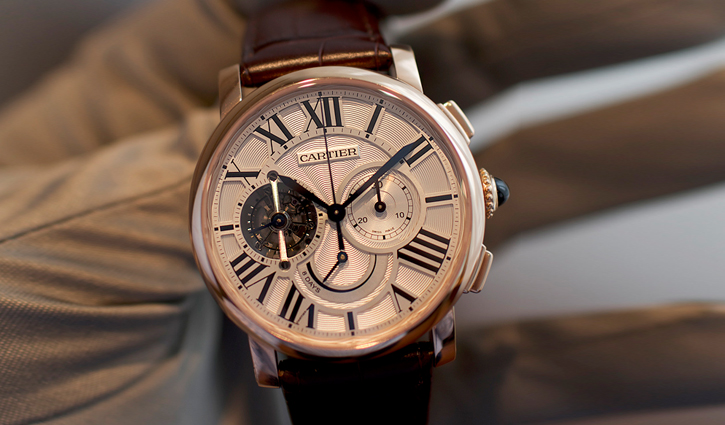
What Are Proper Watch Valuation Documents?
A thorough valuation records the watch’s style, the metals used, its model number, and its identification number, alongside photographs of the watch itself and any accompanying documentation such as a box, papers, or warranty card. These items if documented in advance significantly simplifies future claims. Thieves often steal these items along with the watch, so having them documented in advance makes it considerably easier to support a future claim.
Why Replacement Value, Not Purchase Price, Is Important
The purpose of a watch valuation is establishing the current replacement cost, not what was originally paid. For collectible or high-demand brands, that gap can be significant, and insuring based on an outdated figure is one of the more common, avoidable mistakes people discover only when they need to make a claim.
Art Valuations
Art valuations span considerably more ground than jewellery or watches from fine and decorative art, antiques, and collectibles, right through to general household contents. That breadth is precisely why art valuation tends to sit with specialists who focus specifically on the art market, rather than being treated as a generalist add-on service.

Private and Public Collections Alike
Genuine experience in this space extends to both private collections and public ones, which matters because the two are assessed quite differently, where a private collection is typically valued for insurance or estate purposes, while public collections often involve additional considerations around provenance and institutional value.
Purposes an Art Valuation Serves
As with jewellery, art valuations are commissioned for a range of reasons such as insurance, probate, and family division being the most common and the approach shift meaningfully depending on which of these applies.
Probate Jewellery Valuation
Probate jewellery valuation exists for a purpose that has nothing to do with insurance. Whereas an insurance valuation focuses on replacement cost, a probate valuation is concerned with the realistic value of jewellery for estate and inheritance purposes; whether items will be kept within a family, sold, or divided between beneficiaries.
Confidentiality Matters Here Too
Client relationships in this kind of work are strictly private and confidential, with valuable information only released to insurers or other parties with the client’s permission, which is an important detail for anyone concerned about sensitive family or estate matters becoming more widely known than necessary.
One Underlying Principle Applies to All Five Categories
Whether it’s a handbag, a watch, a painting, or an inherited ring, the same principle runs through every category here: a valuation is only as useful as the independence and expertise behind it. Anyone can offer a number, but what actually protects you in an insurance claim, a probate dispute, or a family disagreement is a documented, defensible assessment from someone with no stake in what that number turns out to be.
Summing Up
To sum up, every asset you own has a value that differs significantly from its initial purchase price. Therefore, it is crucial to have all your assets valued as soon as possible, ensuring you have a formal document detailing everything you own and its current worth.
 bpifarnorthcoast@gmail.com
  thedesertstar
  thomas joeethan