
Chocolate preferences have evolved significantly as consumers become more conscious of ingredients, dietary choices, and production methods. One of the biggest debates today centers on vegan and traditional chocolate products. While both options deliver satisfying flavors, they differ in composition, texture, and culinary applications. Understanding these differences can help consumers select products that align with their preferences and lifestyles. This comparison explores the characteristics of both chocolate varieties, highlighting their advantages, limitations, and practical uses to determine which option offers the better choice.
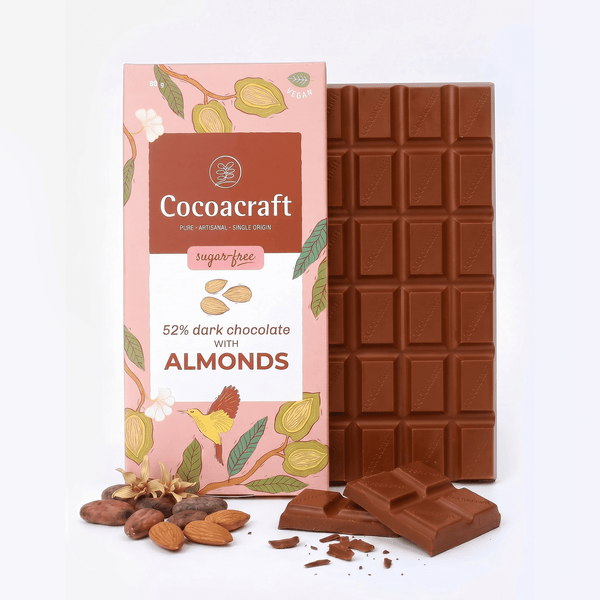
Understanding Vegan and Regular Chocolate Bars
Before comparing these products, it is important to understand how they differ.
Traditional chocolate bars often contain ingredients such as milk solids, cocoa butter, sugar, and cocoa solids. Vegan alternatives eliminate animal-derived ingredients and rely on plant-based components instead.
Common ingredients in regular chocolate include:
- Cocoa solids
- Milk solids
- Cocoa butter
- Sugar
Common ingredients in vegan chocolate include:
- Cocoa solids
- Plant-based milk alternatives
- Cocoa butter
- Natural flavoring ingredients
The primary distinction lies in the absence of dairy in vegan products.
What Makes Vegan Chocolate Bars Different?
Vegan chocolate has gained considerable popularity because of changing consumer preferences and increased interest in plant-based products.
Key characteristics of vegan chocolate include:
1. Dairy-free formulation
Vegan chocolate excludes milk-derived ingredients.
2. Plant-based ingredients
Manufacturers often use alternatives derived from plants to create creamy textures.
3. Diverse flavor profiles
Many vegan chocolates emphasize cocoa flavor while introducing unique ingredient combinations.
4. Greater dietary flexibility
People following specific dietary patterns often choose vegan products because they align with their lifestyle requirements.
Unlike conventional products, vegan chocolate bars focus on delivering a chocolate experience without relying on dairy ingredients.
Flavor Comparison: Vegan vs Regular Chocolate
Taste remains one of the most important factors when selecting chocolate.
Flavor characteristics of regular chocolate
Regular chocolate often provides:
- Creaminess
- Sweetness
- Smooth texture
- Familiar flavor
Flavor characteristics of vegan chocolate
Vegan chocolate frequently delivers:
- More pronounced cocoa notes
- Ingredient diversity
- Distinct flavor combinations
- A slightly different texture
Which one tastes better?
The answer depends entirely on personal preference.
Consumers who enjoy traditional creamy chocolate may favor regular products. Those who appreciate stronger cocoa flavors may prefer vegan alternatives.
Quick comparison
|
Feature |
Vegan Chocolate |
Regular Chocolate |
|
Dairy content |
No |
Yes |
|
Cocoa flavor |
Often stronger |
Balanced |
|
Creaminess |
Moderate |
Higher |
|
Ingredient flexibility |
Excellent |
Moderate |
Both options provide enjoyable experiences when produced with high-quality ingredients.
Ingredient Transparency and Consumer Preferences
Modern consumers increasingly examine ingredient lists before purchasing food products.
Why ingredient transparency matters
Consumers often want to know:
- Where ingredients originate
- How products are manufactured
- Whether artificial additives are included
Many people appreciate the simplicity of ingredient lists found in premium chocolate products.
Considerations when evaluating chocolate ingredients:
Check the cocoa percentage.
Higher cocoa percentages often produce more intense flavors.
Examine sweeteners.
Sugar content can significantly influence flavor.
Review additional ingredients.
Flavorings and other components may affect both taste and texture.
Consumers who prioritize ingredient transparency often compare labels before making purchasing decisions.
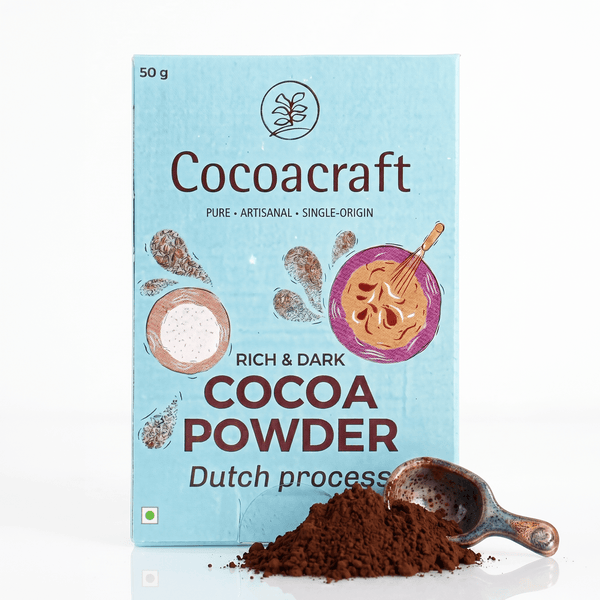
Understanding the Role of Dutch-Processed Chocolate
Another important consideration when comparing chocolate products is cocoa processing.
Dutch process chocolate undergoes a treatment that reduces acidity and creates a smoother, milder flavor profile.
Characteristics of Dutch-processed cocoa include:
- Reduced acidity
- Darker appearance
- Smoother taste
- Improved baking performance
Many chocolate products incorporate this processing method to create more balanced flavors.
Applications include:
- Cakes
- Brownies
- Cookies
- Beverage recipes
The processing method can influence the final flavor regardless of whether the product is vegan or traditional.
Which Option Performs Better in Baking?
Chocolate selection often depends on culinary requirements.
Regular chocolate in baking
Traditional chocolate works exceptionally well in:
- Frostings
- Ganache
- Filled pastries
- Chocolate sauces
Its dairy content contributes to a creamy consistency.
Vegan chocolate in baking
Vegan alternatives perform effectively in:
- Plant-based desserts
- Dairy-free cookies
- Chocolate cakes
- Homemade energy bars
Factors to consider before baking:
- Sweetness level
- Cocoa intensity
- Melting behavior
- Desired texture
The right choice depends on recipe goals rather than a universal standard.
Nutritional Considerations
Nutritional comparisons can be complicated because ingredients vary significantly among products.
Factors influencing nutritional value include:
- Cocoa content
- Sugar levels
- Added ingredients
- Manufacturing techniques
Potential differences between products:
Vegan chocolate may contain:
- Plant-derived ingredients
- Alternative sweeteners
- Diverse flavoring components
Traditional chocolate may contain:
- Milk solids
- Higher creaminess
- Conventional formulations
Consumers should evaluate nutritional information individually rather than assuming one option automatically offers greater benefits.
How to Choose the Right Chocolate Bar
Selecting the right chocolate becomes easier when specific priorities are identified.
Choose vegan chocolate if you prefer:
- Plant-based ingredients
- Dairy-free products
- Distinct flavor combinations
Choose traditional chocolate if you prefer:
- Creamy texture
- Familiar flavors
- Classic recipes
Additional questions to consider:
Will the chocolate be used for baking?
Different products perform differently in recipes.
Are ingredient preferences important?
Examining ingredient lists can simplify decision-making.
Is cocoa intensity a priority?
Products containing dutch process chocolate often provide smoother flavor profiles that appeal to many consumers.
Additionally, recipes that emphasize cocoa may benefit from ingredients containing dutch process chocolate because of their balanced characteristics.
Similarly, consumers seeking dairy-free alternatives may appreciate the variety offered by vegan chocolate bars, which continue to expand across multiple product categories.
Conclusion
Neither vegan nor traditional chocolate can be universally declared the better option because individual preferences ultimately determine the ideal choice. Flavor, ingredients, dietary requirements, and intended applications all influence purchasing decisions. Understanding these factors allows consumers to select products that align with their expectations and culinary goals. As a producer of pure, artisanal, and single-origin chocolates from Kerala, India, Cocoacraft continues to offer a broad selection of premium chocolates designed to satisfy diverse tastes and baking requirements.
 Smith Publicity, Inc.
  gomingqi
  SEO Dreams