

Writing Highlights
- Digital banking has advanced to integrated platforms.
- Digital documentation enhances efficiency and security.
- Technology reduces costs and improves operations.
- Paperless banking supports compliance and efficiency.
- Cloud storage and automation drive digital transformation.
- PDFs standardize secure banking documentation.
- Smart contracts enable automated, secure transactions.
- Cloud solutions offer scalable, secure document storage.
Indeed, from simple online banking services to very advanced, totally integrated platforms that provide a whole plethora of financial services, digital banking indeed has seen some changes over the years. The rapid progress of technology further molds digital banking since the transformation applied in how financial institutions run their business; hence makes services faster, easier, and more convenient for customers. It not only enhances customer experience but also makes a difference within, especially when documentation is turned into digital formats.
Documentation has always formed the core of banking operations-from loan approvals to account management, to regulatory compliance. With growing dependence on electronic transactions and services, the requirement for efficient, accurate, and secure document management has never been higher. Digital documentation ensures that banks can keep their records highly organized and accessible, reducing human error and lost documents.
Digitalization is not a trend, but rather a necessity for modern financial institutions. The adoption of digital documentation will enable banks to streamline procedures, reduce costs, and add layers of security. In the future, the world of banking documentation will become more efficient and secure, incorporating the latest technologies in it, which will make for seamless and paperless banking.
Role of Documentation in Modern Banking
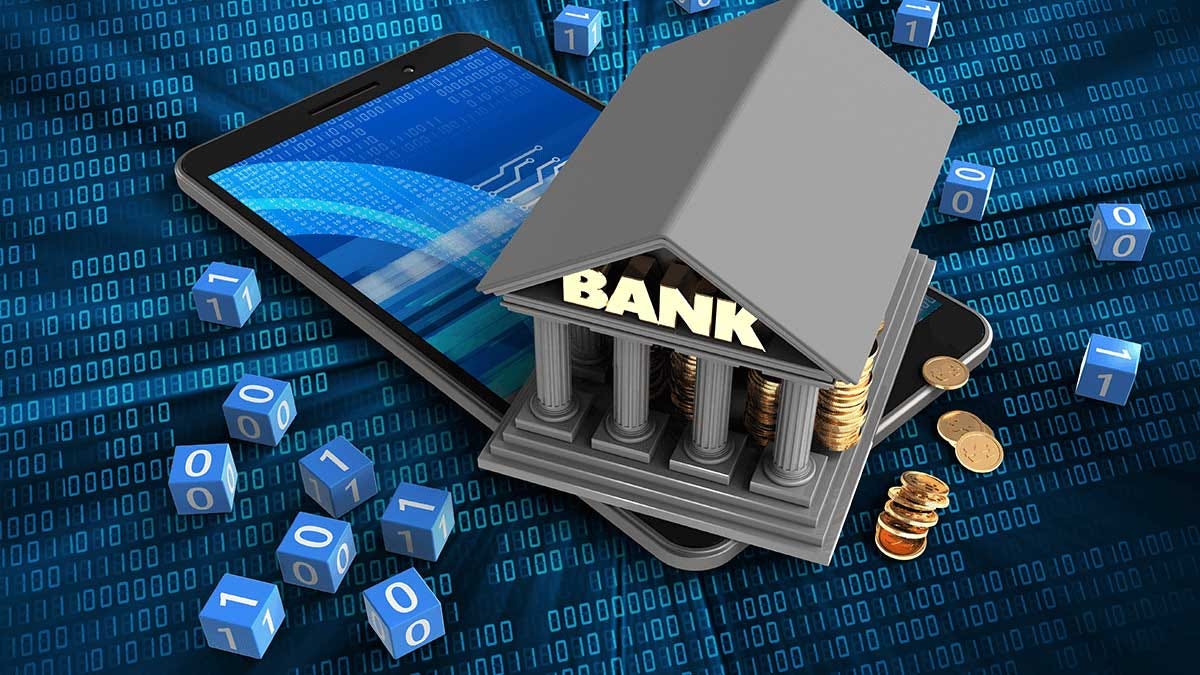
The importance of proper, accessible, and secure documentation in banking cannot be overemphasized. In light of the continuous challenges brought about by traditional paperwork, embracing digital solutions is not only a matter of operational efficiency but also regulatory compliance, security, and improved customer experience.
Importance of Accurate, Accessible, and Secure Documentation in Financial Transactions
Modern banking demands the accurate documentation of a transaction to ensure that the transactions are sound and reliable. Each transaction, loan agreement, and account statement must be documented to perfection to establish a transparent record for both the institution and the customer.
Common Issues in Paper-Based Banking Operations
Traditional paperwork in banking processes entails a lot of challenges that affect the efficiency and security of the operations. First, physical documents are easily misplaced or damaged, which may lead to costly recovery processes and time wastage. Moreover, the processing of paper records manually is labor-intensive and often leads to delays and higher operational costs.
This makes it challenging to ensure that the paper-based records meet the regulatory standards, such as Know Your Customer (KYC) and Anti-Money Laundering (AML) regulations. The management of large volumes of information becomes quite complex. The digital solutions present a more secure, scalable, and efficient alternative to improve both workflow and compliance management.
Digital Documentation: An Alternative to Paper-Based Challenges
The use of digital documentation solutions is changing the face of how paper-based processes can be overcome by their inefficiencies and security risks. With digital tools, financial institutions will be able to automate routine tasks, such as archiving and retrieval of documents, which reduce errors and save time.
Implementation of cloud-based document storage can be further augmented for business or organizational practices. Thus, the necessity of needing to access necessary records remotely could be a convenient necessity in business or organizational practices. The use of digital documentation by advanced security features such as encryption and digital signatures ensures that sensitive data is maintained securely from inappropriate access.
Regulatory Compliance and Documentation

Major among the demands of digital documentation for banking are reasons of regulatory compliance. The need for the banks to adhere to a multitude of regulations and therefore maintain precise, accessible records that can be provided for audit.
Under the regulations of the GDPR and Basel III, banks must have strong documentation systems that provide information privacy, integrity, and traceability. It is through digital documentation platforms that banks can automatically update and categorize records in real-time, thereby making it easy to comply and reducing non-compliance risks from penalties.
How Digital Documentation Impacts Customer Experience
Besides internal efficiencies, digitization in documentation also boosts the overall experience for customers. The access to digital versions of documents, like loan agreements, account statements, and transaction records, makes the management of funds by customers easier and more transparent.
This access will create a feeling of trust and will encourage long-term loyalty from the clients because the client will not have to depend on a paper statement or have to go physically to gain access to those essential documents.
Paper and Digital: Transformation in the Bank Industry
As modern technology evolves with time, transforming from paper documents to digital documentation has been considered one of the most important distinguishing factors in banking. Among various reasons for this transformation are the advancements of very powerful digital applications such as Document Management Systems (DMSs), Cloud storage, and OCR.
Such technologies enable banks to scan, store, and retrieve documents much more efficiently and accurately than the traditional paper methods. The infusion of automation into document processing has further hastened the shift towards digital systems that ensure smoother and quicker operations.
Technological Improvements Enhancing the Change
Cloud-based storage and document management systems have been advanced to be scalable and secure for banks. The use of technologies such as OCR and machine learning has increased the ease of converting paper documents into editable digital formats for banks.
In addition to being efficient in document storage and organization, these systems allow for instant access to data, making it easier for employees to process transactions and respond to customer queries without delay.
A report indicated that studies show a 30-40% saving in costs regarding documents through a document management solution. This implies that digital documentation in banking operations has tremendous cost and operational advantages.
The Environmental Impact of Digital Documentation
One major advantage of going digital is its benefit to the environment. The chopping down of trees for paper will eventually decrease deforestation rates and reduce carbon in the atmosphere and waste. Therefore, the adoption of digital makes the operations of banks harmonize with the world’s environmental goals with constant efforts at being sustainable.
The Growth in Demand for PDF Solutions for Digital Banking

Digitized banks need standardized formats for safe documentation that can easily be accessed for references. PDF – Portable Document Format – has lately emerged as an ideal solution when it comes to bank documentation.
Digital records, unlike their paper counterparts, allow them to be viewed in an exact format, in the same aspect, on multiple devices and types of platforms. This uniformity is essential to the integrity and accuracy of banking documents, especially in this age where cross-border communication and transactions are quite common.
PDF is the Standard Format for Document Management in Digital Banking
Documentation is one of the aspects of the banking industry, starting from the management of customer accounts to compliance with regulatory bodies. PDF is considered the standard format of these documents because of their security, portability, and ease of user interface. PDFs give banks a secure and safe location for contracts, statements, invoices, and forms.
This has eradicated the possibility of losing information or damaging data integrity. Easy attachment, signing, and sending of PDF documents through secure email channels or banking platforms have made most processes streamlined and easier for customers and financial institutions to manage.
Integration of PDF Technology in Loan Approvals, Account Statements, and Compliance Reporting
PDF technology has significantly improved other crucial banking functions like loan approvals, account statements, and reporting on compliance. Customers need to provide documents like proof of identity, income, and residence for verification purposes, which usually result in a few pages.
The collection, processing, and storing of these PDFs in an unvarying format by the banks make this process faster, more effective, and more accurate regarding approvals. What’s more, through online tools, there is always a possibility to convert any format into PDFs, for ease – such as you can convert Base64 to PDF.
The Future of Digital Banking Documentation

Emerging technologies promising to change how financial institutions document and manage it will define the future of digital banking. For instance, various trends will drive the future as banks modernize, ranging from AI-driven systems to blockchain solutions, to make transactions more efficient, secure, and customer-friendly.
AI-Driven Systems for Document Management
Artificial Intelligence is going to change the face of document management in the banking sector. It can automatically classify documents, extract data, and validate the information. AI-powered systems can scan and analyze thousands of documents in real time, significantly reducing human error and processing times.
For instance, AI can recognize handwriting or scanned text, which allows banks to digitize paper-based forms and extract key information automatically. This is not only more efficient but also more accurate, making the entire process of dealing with financial documentation much smoother.
Smart Contracts in Digital Banking
One area of huge future involvement with smart contracts in the banking industry would be self-executing contracts that directly write their terms into code. The operations are done on a blockchain network to automatically execute any agreements that require execution under particular conditions. It deletes the role of intermediaries, and it hastens the transaction times.
For instance, smart contracts may assist in the automation of loan approvals, mortgage agreements, and more financial transactions, thus making them clearer and less likely to be a subject of argument. In usage, the use of smart contracts reduces the use of manual processing of documents in banks, thus enacting the capability to automate critical tasks through security and reliability.
Cloud-Based Document Storage and Collaboration
As banking documentation continues to shift towards digital formats, cloud-based solutions will become increasingly important. Cloud services provide secure and scalable storage of large amounts of data, making records easily accessible for banks without the confines of physical storage.
Cloud systems also allow banks to share documents with clients and third parties seamlessly, regardless of location. Cloud-based solutions bring real-time access and collaboration capabilities that will change the face of an interlinked and efficient banking ecosystem.
The Bottom Line
Technological advancements that will make processes streamlined, ensure tight security, and enhance customer experience will define the future of digital banking documentation. The more it progresses, the more Artificially Driven Systems, Smart Contracts, Blockchain, and document-less banking will transform financial institutions into providing services that are more efficient, transparent, and secure.
This will not only make banking operations even more accessible and convenient but will also simplify banking transactions more with cloud-based solutions and advanced verification systems in line with regulatory requirements. In this regard, as these innovations spread through banks, it would not just optimize its internal operations but also a much more convenient and trustworthy environment for its customers, which will eventually shape the next generation of digital banking.
 miyaresgroup50@gmail.com
 DeFazio Insurance Brokerage, Inc
 beastwarner