
Recognize Common Pet Damage
Pets can leave behind more than occasional stains. Scratching, chewing, digging, and repeated accidents can cause tears, frayed edges, pulled fibers, and discoloration. Over time, these problems can make otherwise attractive carpeting look worn. Identifying the type of damage first makes it easier to choose an appropriate repair.
Inspect the Damaged Area
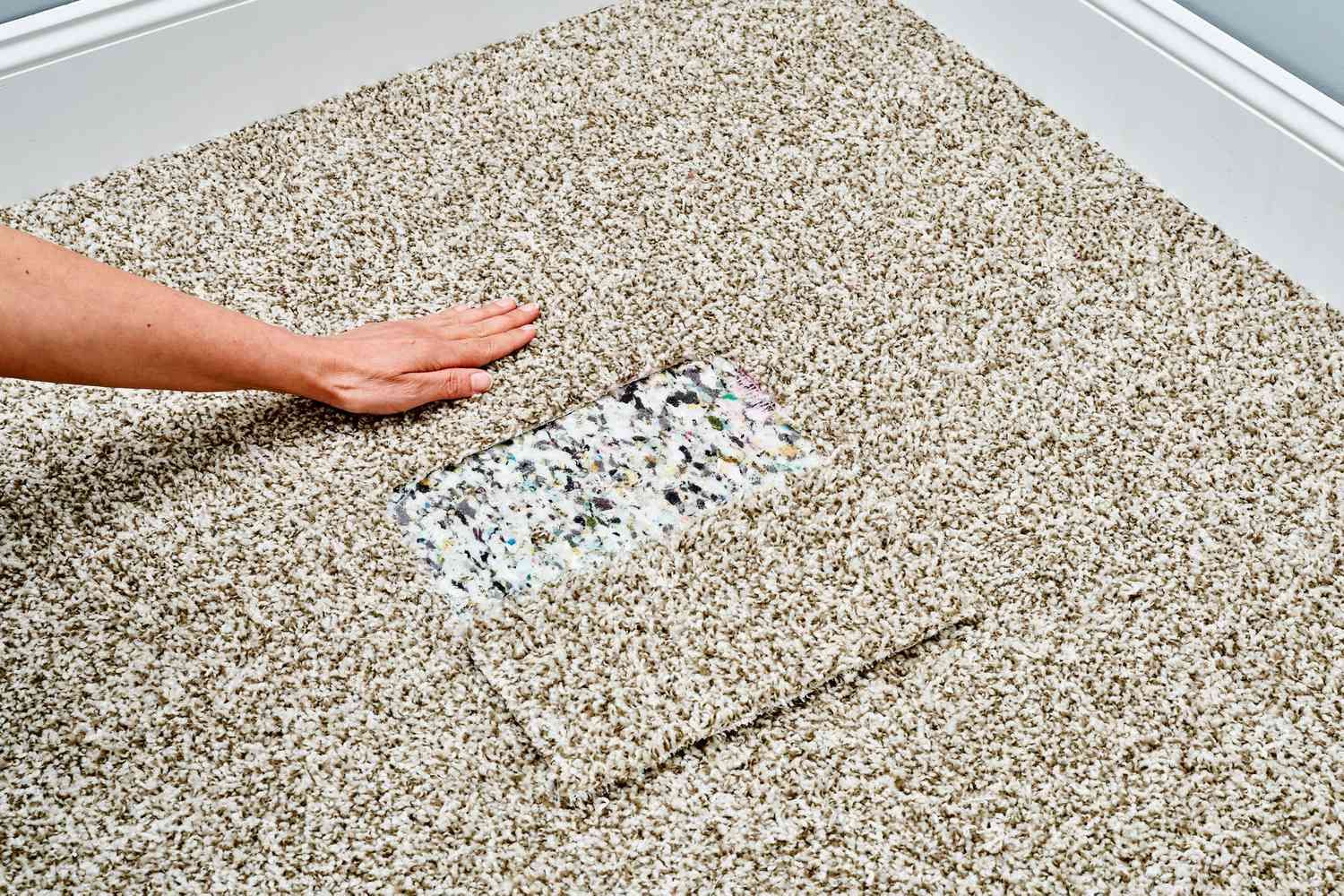
Before attempting a repair, examine how far the damage extends. A small torn section may only need a patch, while loose seams or widespread damage may require more extensive work. Checking the carpet and padding can also reveal whether moisture has reached deeper layers.
Address Damage Early
Small problems can become larger when they are ignored. A loose edge may continue to unravel, while a small tear can spread as people and pets walk across it. Prompt attention can help limit the affected area and may prevent the need for more extensive restoration.
Repair Rather Than Replace
Pet Damage Carpet Repair Services can restore many carpet problems without replacing the entire floor. Professional repair methods can include patching damaged sections, repairing seams, fixing pulled fibers, and addressing frayed areas. Specialists note that pet-related chewing and scratching can often be repaired with carefully matched carpet sections.
Match Replacement Carpet Carefully
When a section is beyond repair, a patch may be used to replace the damaged area. A matching piece from leftover material or a hidden part of the home can often provide a better visual match than a completely new carpet sample. However, differences in age and fading can still make a repair slightly visible.
Deal With Loose Fibers
Pets may pull or scratch carpet fibers, leaving tufts sticking upward or creating rough patches. These areas should be addressed before the damage spreads. Depending on the carpet construction, a professional may secure, trim, re-tuft, or replace the affected section.
Repair Damaged Seams
Seams can separate when pets repeatedly scratch or pull at carpet edges. A damaged seam should be repaired properly rather than simply pushed back into place. Professional repair may involve reconnecting and reinforcing the sections so the problem does not continue spreading.
Treat Pet Accidents Separately
Physical repairs do not automatically remove odors or stains caused by urine and other accidents. If moisture has reached the padding or subfloor, cleaning and deodorizing may be necessary in addition to replacing the visibly damaged carpet section.
Consider the Padding
Carpet padding can absorb moisture from repeated accidents. If the padding remains contaminated or damaged, treating only the carpet surface may not solve the underlying problem. A professional can determine whether cleaning, drying, treatment, or partial replacement is appropriate.
Explore Damaged Carpet Solutions
Damaged Carpet Solutions can range from small repairs to partial replacement, depending on the condition of the flooring. Professional carpet repair providers commonly handle pet damage, burns, tears, stains, loose seams, Berber damage, and other localized problems.
Avoid Aggressive DIY Repairs
Cutting or gluing carpet without the right tools can make a small problem more noticeable. Incorrectly sized patches, poor seams, or damaged backing may create additional repair work. If the carpet is valuable or the damage is extensive, professional assessment is usually the better option.
Protect High-Traffic Areas
Pets often create concentrated wear around doors, hallways, resting areas, and favorite play spots. Protective mats and suitable pet-friendly rugs can reduce repeated stress on these areas. Keeping claws trimmed may also help minimize scratching and pulling.
Keep the Carpet Clean
Regular vacuuming can remove pet hair, dirt, and other particles before they become deeply embedded. Promptly cleaning accidents can also reduce the chance of lingering odors. Follow the carpet manufacturer’s care instructions when selecting cleaning products.
Inspect After Repairs
Once the repair is completed, check the patched area, seams, edges, and surrounding carpet. Walk across the repaired section normally and make sure it feels secure. A properly completed repair should blend with the surrounding flooring as closely as the carpet’s age and condition allow.
Know When Replacement Is Better
Repair is not always practical. Extensive damage, widespread wear, severe moisture contamination, or unavailable matching carpet may make replacement a more sensible option. A professional can compare the condition of the existing carpet with the expected results and explain the available choices.
Choose Experienced Carpet Professionals
Look for a technician with experience handling pet-related carpet damage. Ask about patching, seam repair, fiber restoration, odor treatment, and padding replacement if those services may be needed. Clear communication about the extent of the damage can help you understand what the repair will involve.
Extend the Life of Your Carpet
Pet damage does not always mean an entire carpet needs to be replaced. Timely repairs, appropriate cleaning, protective measures, and regular maintenance can preserve usable flooring for longer. Addressing scratches, tears, stains, and loose sections early can also keep the home looking cleaner and more comfortable.
 Sushant Ramnarine
  Supply Base Solutions
  Raushan kumar